
Why a Simple Wiring Defect in New 2024-2025 Models Puts Drivers and Pedestrians at High Risk
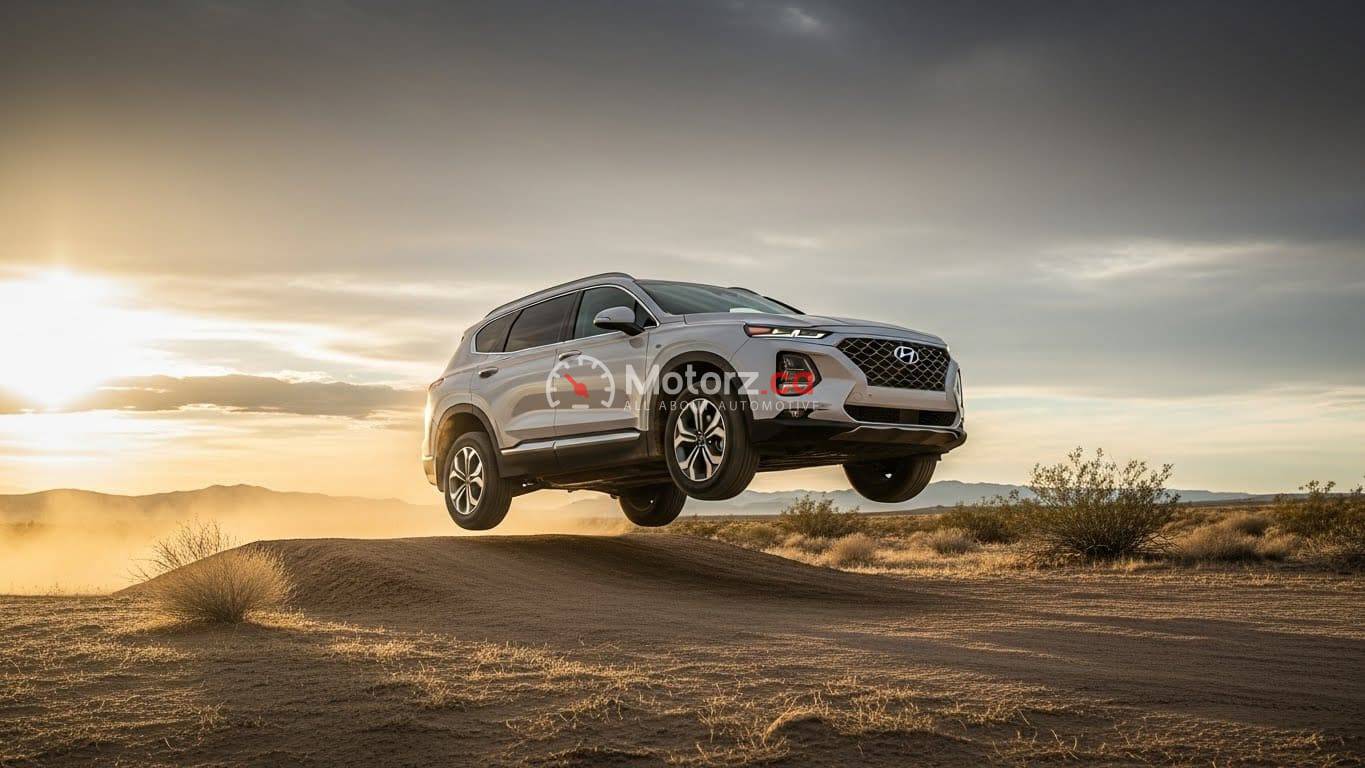
The newly redesigned Hyundai Santa Fe SUVs Violate has been one of the most anticipated SUV releases, drawing praise for its rugged, boxy styling and advanced technology. However, that technology is now the source of a major safety crisis. Hyundai has announced a large-scale safety recall affecting over 143,000 units of the 2024–2025 Santa Fe and Santa Fe Hybrid models.
The core issue is a manufacturing defect in the rearview camera system that causes the video feed to fail, displaying a blank or black screen when the driver shifts into reverse. This is not merely a technical glitch; it is a critical safety failure that results in the vehicles failing to comply with Federal Motor Vehicle Safety Standard (FMVSS) 111, the US federal law that mandates functional rear visibility systems.
This recall is a serious matter that increases the risk of back-over collisions, particularly involving children and pedestrians. This comprehensive guide breaks down the cause of the camera failure, explains the strict law the vehicles are violating, and provides every new Santa Fe owner with the essential steps to secure a free, mandatory repair.
The Non-Compliance Crisis—Violating FMVSS 111
When a vehicle rolls off the assembly line, it must meet hundreds of federal standards designed to protect consumers. The failure of the Santa Fe’s camera system directly compromises one of the most fundamental of these mandates.
The Mandate: Federal Motor Vehicle Safety Standard 111
The requirement for rear visibility systems has been phased in over years and is now a mandatory feature for nearly all new light vehicles sold in the United States and Canada.
What is FMVSS 111? This standard dictates the performance requirements for rearview mirrors and other equipment providing rearward visibility from the driver’s position. Crucially, it requires a functional rearview camera display to activate within two seconds of shifting into reverse, providing a minimum 10-foot by 20-foot field of view directly behind the vehicle.
The Safety Rationale: Backup cameras were made mandatory to prevent devastating back-over accidents, which are particularly dangerous to small children who are often unseen in traditional rearview mirrors.
The Violation: Because the affected 2024–2025 Hyundai Santa Fe cameras may fail to display an image when in reverse, the vehicles are considered non-compliant with the strict requirements of FMVSS 111. This non-compliance is the legal basis for the recall.
Scale of the Recall: 143,472 Vehicles Affected
The affected SUVs were manufactured at Hyundai’s Alabama plant between March 2024 and January 2025. This production window covers the initial months of the new generation’s rollout.
The Root Cause—A Tiny, Twisted Wire Harness
For a complex piece of machinery like a modern SUV, the source of a massive safety recall can often be traced back to a seemingly minor, yet critical, manufacturing or component flaw.
The Defect: Improper Wiring Harness Assembly
The investigation conducted by Hyundai’s safety teams traced the problem not to the camera lens or the display screen, but to the connection point deep within the vehicle’s structure.
The Supplier Error: The issue was determined to be a Tier 2 supplier manufacturing flaw. The company responsible for assembling the rearview camera wiring harnesses used inconsistent or non-standardized procedures.
The Mechanical Stress: During assembly, some wire harnesses were packaged and installed with a “twist” or improper routing. This subtle misalignment created excessive tension and wear on the cable’s shield line, where it connects to the camera terminal.
The Failure Point: Over time and with normal vehicle vibration, this tension damages the wiring, leading to poor terminal contact and unstable electronic connections. This results in the driver seeing a flickering image or a completely blank screen when the transmission is placed in reverse.
Recognizing the Danger Signs
New Santa Fe owners should not wait for the recall letter if they experience any of these symptoms, as the defect is an immediate safety hazard.
Intermittent Blackouts: The camera image displays correctly sometimes, but other times it appears as a black or blue screen when shifting into reverse.
Flickering or Degraded Image: The video feed is unstable, flickers, or shows signs of electronic interference.
Complete Failure: The most obvious sign is the camera failing completely and never displaying an image upon engaging reverse gear.
Safety Warning: Until the repair is complete, drivers of affected 2024–2025 Santa Fe models must be highly cautious. Always use your side mirrors and physically turn your head to check for obstructions, especially when backing out of driveways or busy parking spaces. A non-functional camera removes a vital layer of modern safety protection.
The Free and Essential Recall Remedy
Hyundai is obligated by federal law to fix this non-compliance defect at no cost to the owner. The remedy addresses both the camera unit and the faulty installation method.
The Dealer-Performed Fix
The repair is designed to be permanent and replaces the compromised parts with a newly designed, more robust solution.
The Repair Components: Hyundai dealerships will perform two key actions:
Replace the Rearview Camera Assembly: The existing camera unit, which may have sustained stress or damage from the tight wiring, will be swapped out for a new one.
Reposition the Wiring Harness: The technician will install a new or corrected wiring harness that incorporates shorter, more flexible materials and is properly routed to ensure there is zero tension or twist on the shield line, eliminating the root cause of the connection failure.
Cost and Duration: The repair is performed completely free of charge under the safety recall campaign. While the actual procedure may take less than an hour, scheduling and part availability can vary, so owners should confirm the estimated timeline with their local dealer.
Crucial Steps for Hyundai Santa Fe Owners
Being proactive is key to ensuring your safety and minimizing the risk posed by the defective camera system.
Locate Your VIN: Find your 17-character Vehicle Identification Number on the driver’s side dashboard (visible through the windshield) or on the sticker inside the driver’s door jamb.
Use the Official Lookup: Do not wait for the mail. Enter your VIN immediately into the National Highway Traffic Safety Administration (NHTSA) VIN Lookup tool or the dedicated recall page on the Hyundai official website.
Schedule Service: If your VIN confirms an open recall (NHTSA Campaign Number: 25V-808; Hyundai Recall Number: 288), contact your nearest authorized Hyundai dealership immediately to schedule the free rearview camera replacement and harness repositioning.
Keep Records: Maintain all correspondence, repair orders, and receipts related to the recall. This documentation proves the issue has been addressed, which is important for future resale value.
Recall Timeline: Formal owner notification letters are expected to begin mailing out around January 19, 2026. However, the defect has been confirmed, and dealers are being equipped with the fix now. Checking your VIN and calling the dealer today is the safest action.
Upholding Safety Standards
The recall of over 143,000 new Hyundai Santa Fe SUVs due to a rearview camera failure is a stark reminder that even the latest, most advanced vehicles are susceptible to fundamental manufacturing flaws. The failure to maintain a functional rear visibility system is not just an inconvenience; it constitutes a direct violation of FMVSS 111, creating a dangerous blind spot that jeopardizes the safety of drivers and pedestrians alike.
For owners of the 2024–2025 Santa Fe or Santa Fe Hybrid, immediate action is required. Use your VIN to confirm your vehicle’s status and contact your Hyundai dealer to ensure this critical, no-cost safety repair is completed. Prioritizing this fix is the essential step to restoring your SUV’s safety compliance and driving with confidence.