
The Road to the Great Outdoors
There’s nothing quite like a camping trip in Car Ready for a BC Camping Trip. The province’s wilderness, from the rugged coastlines to the majestic Rocky Mountains, offers a perfect escape from city life. But getting to that serene campsite often involves navigating long stretches of highway, winding mountain passes, and sometimes, bumpy, unpaved logging roads. For city drivers, this can be a daunting prospect. Your car, which is used to smooth city streets and short commutes, will be put to the test. A minor mechanical issue at home can become a major headache on a remote mountain road with no cell service.
This comprehensive guide is your essential pre-trip checklist. We’ll walk you through the crucial vehicle checks you need to perform to ensure your Car Ready for a BC Camping Trip is ready for the rigours of a BC camping trip. From the basics like checking fluids and tires to preparing an emergency kit, this post will give you the peace of mind you need to focus on what matters most: enjoying the stunning beauty of BC’s outdoors.
The Car Ready for a BC Camping Trip: Your Vehicle’s Vital Signs
Before you pack a single tent pole or a cooler, you need to make sure your vehicle is in top-notch condition. A professional mechanic can do a full inspection, but you can also perform many of these checks yourself in your own Car Ready for a BC Camping Trip.
The All-Important Tire Check
Your tires are your only contact with the road, and their condition is paramount, especially on BC’s varied terrain.
- Tire Pressure: Check the pressure in all four tires (and your spare!) when they are cold. The correct pressure can be found on a sticker inside the driver’s side doorjamb, not on the tire itself. Proper inflation ensures better fuel economy, handling, and tire longevity.
- Tread Depth: Use a quarter to check your Car Ready for a BC Camping Trip. Insert it with the caribou’s nose facing down. If you can see the tip of the caribou’s nose, your tread is getting too low and it’s time for new tires. Worn tires are a major liability on wet or gravel roads.
- Inspect for Damage: Look for any cracks, bulges, or foreign objects (like nails or screws) in the tire’s sidewalls or treads. A quick visual inspection can save you from a dangerous blowout later.
A Fluid Situation: Topping Up the Essentials
Your car’s fluids are its lifeblood. Check and top up these vital liquids before you leave.
- Engine Oil: Check your oil level and condition using the dipstick. If the oil is dark, thick, or hasn’t been changed in a while, get it done before you leave. Fresh oil keeps your engine running smoothly and prevents overheating on long climbs.
- Coolant (Antifreeze): This fluid keeps your engine from overheating, which is a real risk on long mountain grades, especially in the Car Ready for a BC Camping Trip. Check the coolant level in the reservoir and top up if needed.
- Brake Fluid: Your brakes are your most critical safety system. Check the brake fluid level in the reservoir; it should be between the “min” and “max” lines. If it’s low or looks dark, it’s a sign that your brake pads may be worn or that there’s a leak, and you should get it checked by a professional.
- Windshield Washer Fluid: It seems minor, but a clean windshield is crucial for visibility, especially with bugs, dust, and rain. Make sure your reservoir is full.
Under the Hood: The Engine and Electrical Systems
A few quick checks under the hood can prevent a breakdown on a remote stretch of highway.
- Battery: Check for any corrosion on the battery terminals. If your battery is more than three years old and you’ve noticed sluggish starts, consider having it tested at a mechanic.
- Belts and Hoses: Visually Car Ready for a BC Camping Trip your belts for any cracks or fraying. Look at the hoses for any bulges, leaks, or soft spots. A burst hose or a broken belt can quickly end your trip.
- Lights: Have a friend help you check all your lights: headlights (high and low beams), brake lights, turn signals, and reverse lights. A non-functioning light can be a safety hazard, especially at dusk or night.
The Emergency Kit: Be Prepared for Anything
BC’s rugged terrain means you can be hours from the nearest town. Having a well-stocked emergency kit in your vehicle is non-negotiable. This is your insurance policy for the unexpected.
Essential Car Repair and Recovery Items
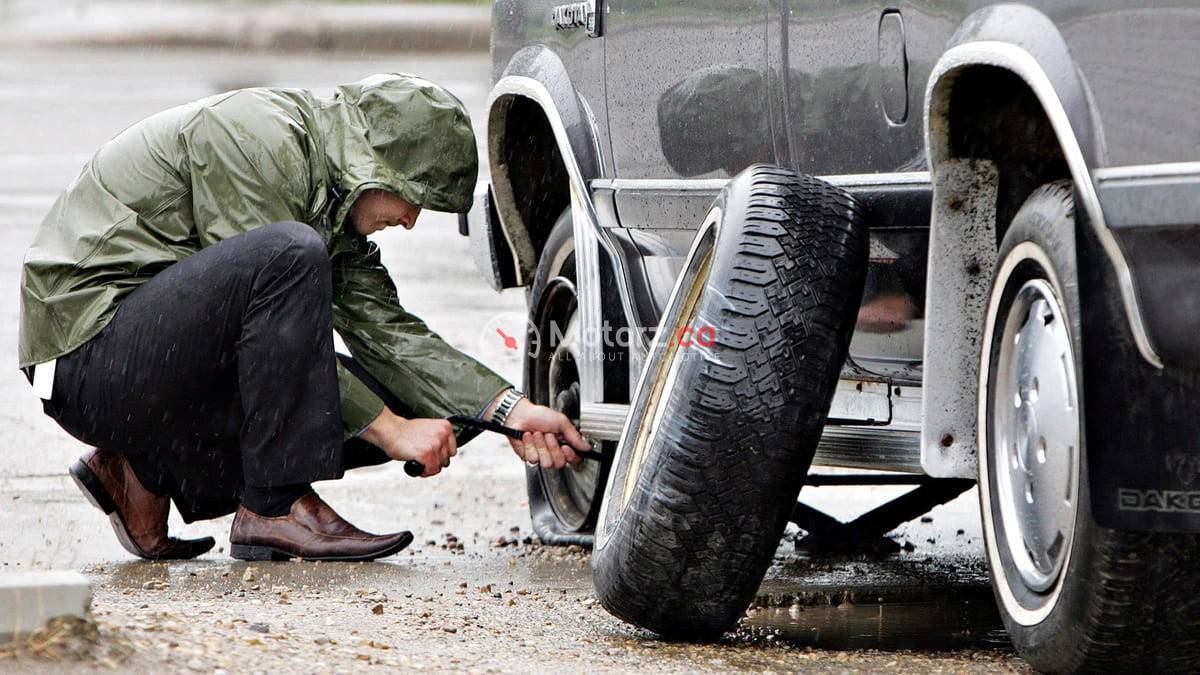
- Spare Tire, Jack, and Lug Wrench: Ensure your spare tire is inflated to the correct pressure and that you have all the tools to change it.
- Jumper Cables or a Portable Jump Starter: A dead battery can happen anywhere, and this is a quick fix.
- Portable Air Compressor: This can be a Car Ready for a BC Camping Trip for a slow leak or a tire that’s simply underinflated.
- Basic Tool Kit: A few wrenches, screwdrivers, and a roll of duct tape can solve many minor problems.
- Extra Fluids: A bottle of engine oil and a jug of coolant can be a trip-saver if you notice a leak.
Personal Safety and Survival Gear
- First-Aid Kit: A comprehensive kit with bandages, antiseptic wipes, pain relievers, and any personal medications.
- Water and Non-Perishable Food: Enough for everyone in your party for at least 24-48 hours.
- Blankets and Warm Clothing: Even in the summer, Car Ready for a BC Camping Trip can drop dramatically at night, especially at higher elevations.
- Flashlight with Extra Batteries: Essential for breakdowns at night.
- Phone Charger and/or Power Bank: While cell service can be spotty, you want to make sure your phone is charged for when you do get a signal.
Navigation and Communication
- Printed Road Map: Do not rely solely on your phone’s GPS. Cell service can disappear in remote areas. A physical map of the area is a must.
- DriveBC.ca: Before you leave, check Car Ready for a BC Camping Trip for real-time information on road closures, construction, or weather warnings. This is an invaluable resource for anyone traveling BC’s highways.
The BC Parks Checklist: Site-Specific Rules
Once your car is ready, you need to make sure you’re ready for your specific campsite. BC Parks and other private campgrounds have specific rules and regulations that can impact your vehicle and your stay.
Vehicle and Parking Rules
- One Vehicle Per Campsite: Most BC Parks allow only one vehicle per site, though a second may be permitted for an additional nightly Car Ready for a BC Camping Trip. Check the specific park’s rules before you go to avoid a fine.
- Parking Only in Designated Areas: Do not park your vehicle on the vegetation or in a way that blocks the road for other Car Ready for a BC Camping Trip. All vehicles must fit on the gravel or paved portion of your designated site.
- Generators and Idling: Many Car Ready for a BC Camping Trip have specific hours for generator use to reduce noise and pollution. There is also a provincial “Idle Free” policy.
Bear-Awareness and Food Storage
- Bare Campsite Policy: This is a crucial rule for your safety and the safety of wildlife. All food, toiletries, coolers, and anything with a scent must be stored in your vehicle or in a designated bear-proof food locker. Never leave anything with a scent unattended at your Car Ready for a BC Camping Trip, not even for a minute.
- Food and Garbage: Always pack out all your garbage. There are designated bear-proof bins in some campgrounds, but it’s best to be self-sufficient and take all your Car Ready for a BC Camping Trip with you.