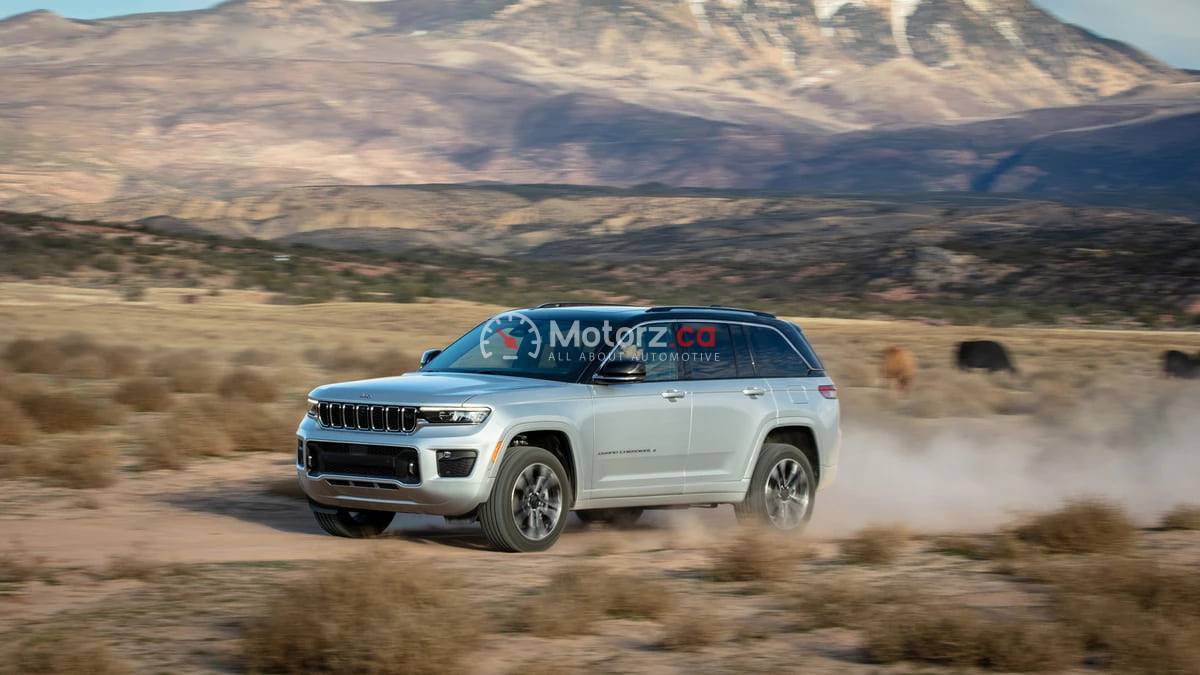

The Jeep Grand Cherokee Coil Spring is often hailed as the perfect blend of luxury and rugged capability. However, for owners of the 2021 through 2023 models, that “ruggedness” has been put to a terrifying test. In June 2023, Stellantis (Jeep’s parent company) issued a massive recall for over 331,000 vehicles due to rear coil springs that could literally fall off while driving.
Fast forward to December 2025, and the story has taken a darker turn. The National Highway Traffic Safety Administration (NHTSA) has officially reopened an investigation into these vehicles. The reason? Growing reports suggest that the original recall remedy—the very “fix” owners were told would solve the problem—is failing.
If you own a Jeep Grand Cherokee or a Grand Cherokee L, you need to know the latest on this developing safety crisis. This guide breaks down the new investigation, the symptoms of a failing suspension, and what you should do if your “fixed” Jeep still feels off.
The Core Problem: Why Are Coil Springs Falling Out?
A coil spring is a critical component of your vehicle’s suspension. It supports the heavy weight of the SUV, absorbs road impacts, and maintains ride height. If a spring detaches, the rear of the vehicle can suddenly collapse, leading to a loss of control or a serious crash.
The Original Jeep Grand Cherokee Coil Spring
In mid-2023, Jeep identified that some Grand Cherokees were built with rear coil springs that were incorrectly installed at the factory. The company stated the issue was an “assembly-related error” rather than a defective part. Dealers were instructed to:
Inspect the rear coil spring assemblies.
Reinstall or repair the springs if they were out of position.
The 2025 Reopening: “Post-Remedy” Failures
As of late 2025, the NHTSA has received at least 20 unique consumer complaints from owners whose vehicles were already “repaired” under the initial recall. These drivers report that their rear coil springs are still detaching—sometimes at high speeds or while making routine turns.
This has prompted a formal Recall Query (RQ25005). Federal investigators are now asking a difficult question: Was the original repair strategy flawed, or is there a deeper design defect that Jeep hasn’t yet addressed?
Affected Models: Is Your Jeep on the List?
The investigation and original recall specifically target vehicles equipped with traditional coil-spring suspensions. If your Grand Cherokee is equipped with the Quadra-Lift Air Suspension, you are generally not affected by this specific coil-spring issue.
Affected Vehicles Include:
2021–2023 Jeep Grand Cherokee L (The three-row model)
2022–2023 Jeep Grand Cherokee (The two-row model)
The Grand Cherokee L is of particular concern to investigators. Because it is longer and heavier than the standard version, it places significantly more stress on the rear suspension components, especially when carrying passengers or cargo.
Warning Signs: How to Tell if Your Suspension is Failing
You don’t have to wait for a spring to fly off your vehicle to know something is wrong. Many owners report subtle “early warning” signs that indicate the rear suspension is becoming unseated.
Visual Sagging or “Slouching”
The most obvious sign is a change in the vehicle’s stance. Park your Jeep on a flat surface and look at it from the side. If the rear end appears lower than the front, or if one side seems to lean more than the other, your coil springs may be out of position.
Unusual Noises from the Rear
Keep your ears open when driving over speed bumps or turning into driveways. Symptoms of a loose or misaligned spring include:
Clunking or banging sounds when the suspension compresses.
Squeaking or creaking noises during slow-speed maneuvers.
A metallic “ping” if the spring shifts against its seat.
Handling and Steering Changes
A detached or loose spring will immediately affect how the car handles. You might feel a “swaying” sensation in the rear during highway driving, or the vehicle may feel unstable and difficult to keep in a straight line after hitting a pothole.
The Risk Factor: Why This is a “Dynamic Emergency”
When a coil spring detaches from a moving vehicle, it becomes a dual threat.
For the Occupants: The sudden drop in ride height can cause the tire to rub against the wheel well, potentially causing a blowout or a total loss of steering control.
For Other Drivers: A heavy steel coil spring bouncing down a highway at 100 km/h is essentially a projectile. It can easily penetrate the windshield of a following vehicle, causing catastrophic injury to other road users.
What Should Owners Do Now?
If you own an affected Jeep Grand Cherokee, your safety is the priority. Here is the recommended course of action based on the late 2025 findings:
Check Your Recall Status: Even if you think your car was fixed, visit the NHTSA Recalls website and enter your 17-digit VIN. Ensure there are no other open recalls (like the recent 4xe hybrid fire risks or steering column issues).
Request a Second Inspection: If you notice any of the noises or sagging mentioned above, take your vehicle to a certified Jeep dealer immediately. Mention the NHTSA Recall Query RQ25005. Demand a physical inspection of the rear coil seats.
Document Everything: If your spring fails after a recall repair, take photos of the damage and keep all service records. This information is vital for federal investigators.
File a Report: If you experience a post-remedy failure, file a Vehicle Owner Questionnaire (VOQ) with the NHTSA. Your report could be the one that forces a more permanent and effective solution.
A Fix That Didn’t Hold
The 2026 model year of the Grand Cherokee is arriving with many updates, but for those driving the 2021–2023 versions, the shadow of the coil-spring issue remains. The fact that the NHTSA has reopened this case suggests that Jeep’s initial “inspection and re-seat” was a band-aid on a much larger wound.
As the investigation continues through 2026, owners must remain vigilant. A properly functioning suspension is the foundation of vehicle safety—don’t take “it’s already been fixed” as a final answer if your Jeep doesn’t feel right.