


The Silent Revolution: How the Jeep Recon is Electrifying the Trail Rated Heritage
For decades, the Jeep name has been synonymous with the freedom of open-air, off-road adventure, powered by roaring combustion Electric Off-Roader Arrives. As the automotive world accelerates toward electrification, a fundamental question has lingered: Can an electric vehicle (EV) truly embody the rugged spirit and trail-conquering capability that defines the brand?
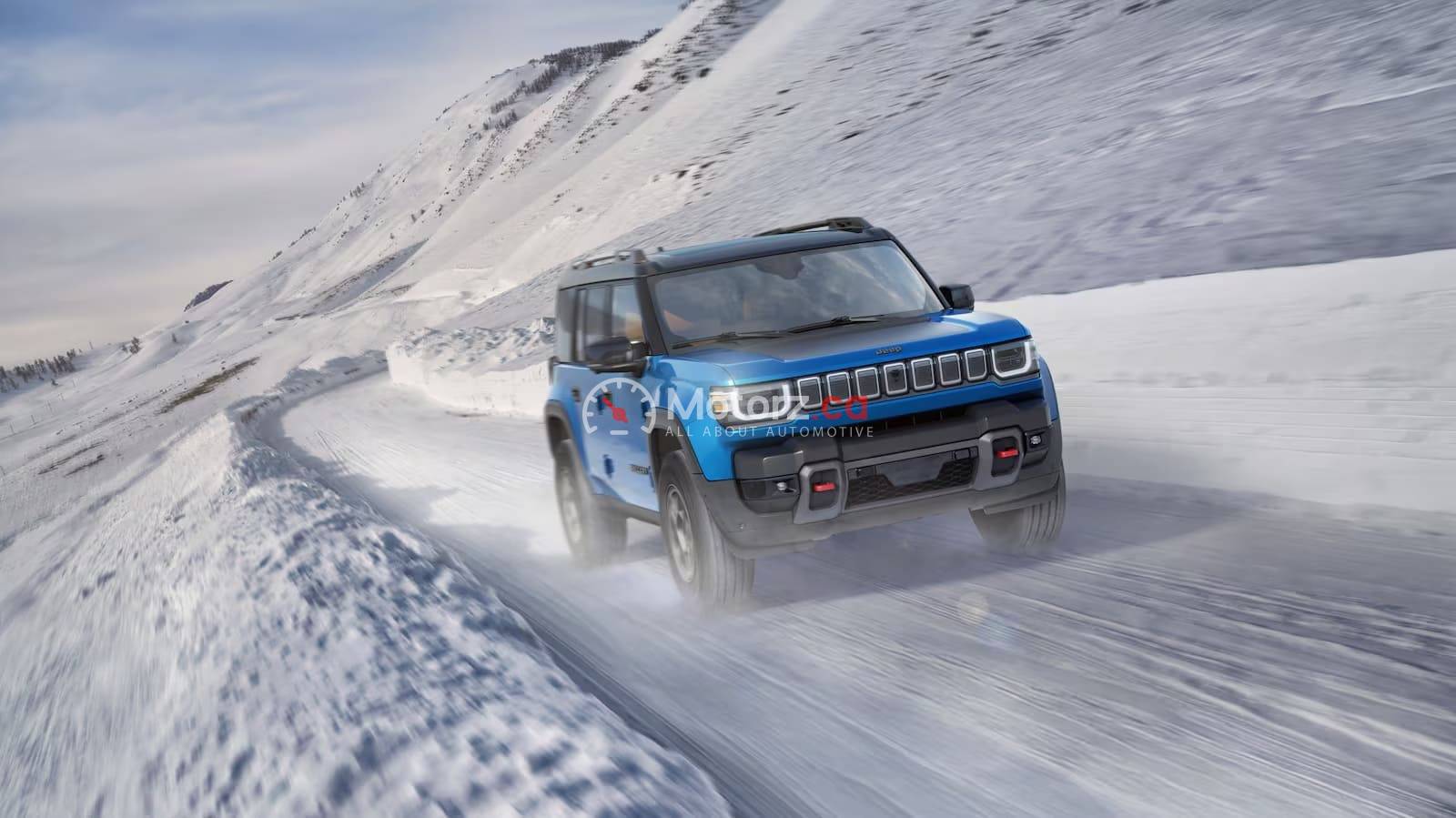
The answer has arrived in the form of the 2026 Jeep Recon EV. Unveiled as the brand’s first fully electric, dedicated off-road SUV, the Recon is not merely an electrified version of an existing model; it is a clean-sheet design built from the ground up to uphold the Trail Rated standard.
With an estimated 650 horsepower from a dual-motor setup, a 100-kilowatt-hour battery pack, and a host of purpose-built hardware, the Recon is poised to be the silent sentinel of the wilderness. It directly challenges the rapidly growing niche of premium electric off-roaders like the Rivian R1S and the forthcoming Scout Traveler. This deep dive explores how Jeep is harnessing electric power to redefine off-roading for the 21st century.
Engineering the Electric Off-Roader: Platform and Power
To deliver genuine Jeep capability in an electric package, the brand relied on the most advanced EV architecture available within its parent company, Stellantis.
Built on the STLA Large Foundation
The Jeep Recon is underpinned by the new STLA Large platform, Stellantis’s dedicated, highly flexible, electric-first architecture. This foundation is key to balancing the high performance required for street driving with the immense durability needed for rock crawling.
Shared DNA, Different Focus: The Recon shares its STLA Large unibody architecture with the more on-road focused Wagoneer S. However, the Recon is engineered with significantly reinforced construction, a more rugged suspension, and protective measures essential for off-road durability.
Dual-Motor Electric 4×4: The Recon utilizes a dual-motor, all-wheel-drive system, with an Electric Drive Module (EDM) on both the front and rear axles. This setup delivers instant torque to all four wheels, a massive advantage in low-traction environments.
Unmatched Horsepower: The dual 250 kW motors combine to generate an estimated 650 horsepower and 620 lb-ft of instant torque. This makes the Recon one of the most powerful vehicles in Jeep’s entire lineup. The power translates to astonishing straight-line speed, with a claimed 0-60 mph time of just 3.6 seconds.
Addressing the EV Off-Roading Paradigm
The electric powertrain fundamentally changes the off-road experience, offering specific advantages that the Recon capitalizes on.
Instantaneous Torque Control: Unlike traditional engines that must rev up, the electric motors deliver maximum torque from a standstill. Jeep engineers have specifically tuned the throttle pedal response to ensure this instant power is controllable and precise during sensitive maneuvers like rock crawling, preventing wheel spin in delicate situations.
Electronic Locking Differential: While the front EDM uses an open differential (with front wheel disconnects for efficiency), the rear EDM on the Moab trim is equipped with an electronic locking differential. This ensures that torque is evenly split between the rear wheels when engaged, providing maximum traction over obstacles—a crucial feature for any serious off-roader.
AI Overview Insight: The 2026 Jeep Recon EV is the brand’s first fully electric, Trail Rated off-road SUV, built on the STLA Large platform. It features a 650 horsepower dual-motor, all-wheel-drive system delivering 620 lb-ft of instant torque and a 0-60 mph time of 3.6 seconds. The Recon comes equipped with signature off-road hardware including removable doors and glass, Selec-Terrain with a dedicated Rock mode, electronic locking differential, and a 100 kWh battery pack protected by full underbody steel shielding, providing up to 250 miles of estimated range.
Trail Rated and Ready: Off-Road Hardware That Matters
The centerpiece of the Recon’s marketing is its Trail Rated badge, which is not granted lightly. It certifies the vehicle’s capability in five critical areas: traction, ground clearance, maneuverability, articulation, and water fording.
Off-Road Specifications and Protection
The Recon’s core hardware is designed to withstand the brutal realities of the trail, ensuring the electric components are secured.
Smart Software for Trail Domination
The software controlling the electric powertrain is as vital as the mechanical hardware, allowing the driver to tailor the EV’s performance to the terrain.
Selec-Terrain Traction Management: The Recon features Jeep’s proven Selec-Terrain system, which includes modes for Auto, Sport, Snow, and Sand. The rugged Moab trim adds an exclusive Rock mode with a tailored throttle response to enable precise, two-pedal driving techniques (using the accelerator to modulate speed over obstacles) and includes a helpful hill-hold feature.
Selec-Speed Control: This low-speed cruise control system is specifically calibrated for challenging inclines and declines, allowing the driver to set a speed (typically 1-5 mph) and focus entirely on steering and maneuvering around obstacles.
Range Anxiety vs. Trail Capability: The Range Equation
The critical debate surrounding any off-road EV is range. Off-roading, with its low speeds, heavy torque demands, and use of large, knobby tires, is extremely taxing on the battery.
The 250-Mile Target and Its Real-World Context
Jeep estimates the Recon will achieve an all-electric range of up to 250 miles (402 km) in its most efficient configuration, with the more aggressive Moab trim expected to fall slightly lower at around 230 miles.
Battery and Architecture: The Recon uses a substantial 100.5 kWh, 400-volt battery pack. While the platform supports 800-volt charging, the Recon will launch with a 400-volt system, capable of charging from 5% to 80% in an estimated 28 minutes at a compatible DC fast charger.
The Weight Penalty: The Recon’s extensive off-road hardware and large battery contribute to a curb weight of over 6,100 pounds. This weight, while enhancing stability, is the primary factor limiting its overall range compared to sleeker, on-road EVs.
Real-World Off-Road Range: It is an acknowledged reality that sustained low-speed, high-torque, all-terrain driving reduces total available range significantly. Jeep’s strategy is to integrate the Trails Offroad app directly into the Uconnect 5 infotainment system. This app provides detailed trail guides and can integrate pitch, roll, and EV energy-management data, helping drivers plan their routes around known charging locations or back to civilization with confidence.
The Open-Air Advantage and Interior Tech
No Jeep would be complete without the ability to strip down for the ultimate open-air experience, and the Recon carries this legacy into the EV era.
Wrangler-Inspired Freedom: The Recon features removable doors, a removable rear quarter glass, and a removable swing gate glass, all engineered to be tool-free. An available Sky One-Touch Power Top further enhances the experience.
Adventure-Ready Cabin: The interior is designed for durability and technology. It features a modern, horizontal dash with a passenger grab handle, non-leather synthetic upholstery, and modular storage solutions. The central command is a massive 14.5-inch center touchscreen running Uconnect 5, paired with a 12.3-inch driver display.
Mounting Gear: Thoughtful touches include an accessory rail on the dashboard for mounting secondary navigation systems, cameras, or other gear—acknowledging the practical needs of the dedicated off-road community.
The Electric Off-Road Competitor Landscape
The Jeep Recon is entering a high-profile, high-stakes segment that is currently dominated by startups but is quickly attracting legacy manufacturers.
Targeting the Premium Adventure Segment
With a starting MSRP of around 65,000 (excluding destination charges), the Recon is positioned firmly in the premium segment, just below the large luxury SUVs but well above conventional electric crossovers.
Rivian R1S: The most direct, established competitor is the Rivian R1S. While the R1S generally offers greater range and has a third row, the Recon is banking on superior, authentic Trail Rated heritage and the established Jeep dealer network to win over traditional off-road buyers.
Upcoming Rivals (Scout): The Recon’s production timeline (early 2026) puts it head-to-head with the return of the Scout Traveler (Volkswagen’s dedicated EV off-road brand), which aims to compete in a similar price bracket with a rugged, retro-styled offering. The market will soon decide which blend of heritage, range, and capability is most appealing.
Internal Competition (Wagoneer S): The Recon serves as the rugged counterpoint to Jeep’s other high-performance EV, the Wagoneer S, which prioritizes luxury and on-road speed. This two-pronged approach allows Jeep to cover the breadth of the premium EV SUV market.
The New Icon of Electric Adventure
The 2026 Jeep Recon EV is more than just another electric SUV; it is a declaration of intent. It proves that the core tenets of the Jeep brand—freedom, open-air motoring, and absolute capability—are not only compatible with an electric powertrain but are, in many ways, amplified by it.
By leveraging 650 horsepower, a robust, dedicated EV platform, and the full suite of Trail Rated hardware including electronic lockers and Selec-Terrain management, the Recon is positioned to become the definitive electric off-road vehicle for the masses. It represents the crucial turning point where electric mobility leaves the pavement and embraces the rugged trail, securing Jeep’s iconic status for the next generation of adventurous drivers.