
We have all experienced that wall of stifling, oven-like air that hits you the moment you open your car door on a mid-July afternoon. You reach for the steering wheel only to pull back in pain, and the leather seats feel like they are ready to sear anything they touch. It is more than just an inconvenience; a superheated interior can damage your electronics, degrade your upholstery, and even release harmful vapors from interior plastics.
In this Troubleshooter guide, we are diving deep into the science of why your car turns into a greenhouse and providing actionable, professional tips for keeping your parked car cool. From low-tech hacks to high-tech investments, here is how to protect your vehicle and your comfort during the sweltering summer months.
The Parked Car Cool: Why Cars Get So Hot
Before we can fight the heat, we have to understand the enemy. Your car’s interior doesn’t just get hot because the sun is shining on it; it gets hot because of a phenomenon known as the Greenhouse Effect.
Short-Wave vs. Long-Wave Radiation
The sun emits energy in short-wave radiation. This energy passes through your car’s glass windows with relative ease. However, once that energy hits your dark dashboard, steering wheel, and seats, it is absorbed and re-emitted as long-wave infrared radiation (heat).
Unlike the sunlight that entered, this long-wave heat cannot easily pass back out through the glass. It becomes trapped inside the insulated “bubble” of your car. On a 95-unit day, the air inside a parked car can soar to over 140 units in less than an hour, while dashboard surfaces can exceed 180 units.
Mastering the Art of Strategic Parking
The most effective way to keep a car cool is to prevent it from getting hot in the first place. This starts with where you choose to leave your vehicle.
The “Sun-Path” Strategy
Don’t just look for where the shade is now; look for where the shade will be in two hours. If you are parking for a long shift, consider the movement of the sun. Parking on the east side of a large building in the morning might feel smart, but by 2:00 PM, your car will be in direct, punishing sunlight. Aim for the north side of structures or under dense tree canopies for the longest-lasting protection.
Garage vs. Carport
If you have a garage, use it. Even an uncooled garage acts as a massive thermal barrier, keeping the vehicle at a much more stable temperature than the open air. If you don’t have a garage, a portable car canopy or “car tent” can provide a mobile shadow that blocks up to 90 percent of direct solar radiation.
Essential Gear: Sunshades and Reflectors
If you cannot find shade, you must create it. The right gear can reduce your interior temperature by as much as 40 to 50 units.
Windshield Sunshades: Not All Are Equal
The windshield is the largest “window” in your car and the primary entry point for heat.
Reflective Foil Shades: These are the gold standard. The silver side reflects the sun’s rays back out through the glass before they can reach your dashboard.
Custom-Fit vs. Universal: Universal shades often leave gaps at the edges, allowing heat to “leak” in. Custom-fit shades provide edge-to-edge coverage, protecting the delicate electronics inside your dash.
Pro-Tip: If you have a rear-facing parking spot, don’t forget a shade for the back window as well.
Solar-Powered Ventilation Fans
These small devices clip onto the top of a rolled-up window. They use a tiny solar panel to power a fan that exhausts hot air out of the cabin while drawing “cooler” outside air in. While they won’t make the car frosty, they prevent the air from becoming stagnant and reaching those dangerous 150-unit peaks.
High-Tech Solutions: Tints and Coatings
For those looking for a permanent solution, upgrading your vehicle’s “skin” can make a world of difference.
Ceramic Window Tinting
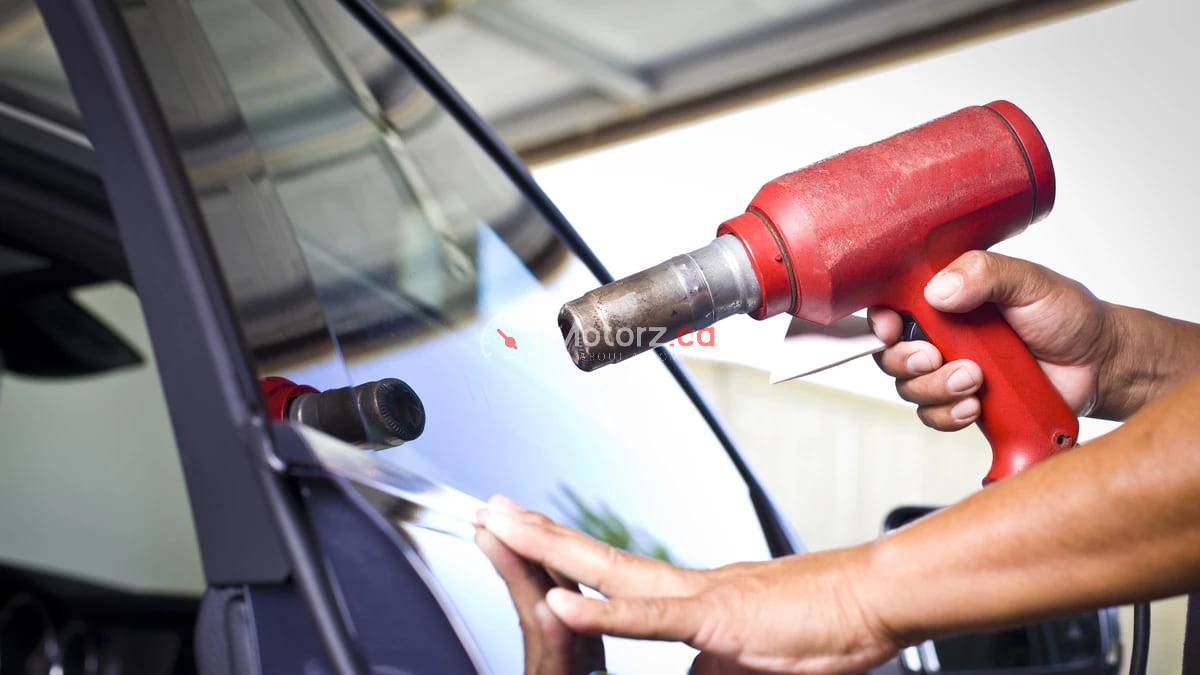
Standard dyed window tinting only makes the windows darker; it doesn’t necessarily block heat. Ceramic Window Tint, however, contains nano-ceramic particles that are non-conductive and non-metallic.
Heat Rejection: High-quality ceramic tints can block up to 80 percent of infrared heat and 99 percent of UV rays.
Legal Limits: Always check your local laws regarding tint darkness (Visible Light Transmission or VLT). Many regions allow a “clear” ceramic film on the windshield that blocks heat without affecting visibility.
Paint Protection and Light Colors
It is a simple fact of physics: dark colors absorb heat, while light colors reflect it. A white car can stay significantly cooler than a black car under the same sun. If you already own a dark vehicle, keeping it waxed or applying a Ceramic Coating can help protect the paint from UV damage, though it has a minimal effect on internal cabin temperature.
Maintenance Hacks for a Cooler Cabin
Sometimes, the best “troubleshooting” involves simple behavioral changes and quick maintenance checks.
The “Cracked Window” Debate
Is it safe to leave your windows open a crack?
The Benefit: Leaving a window open just one or two inches allows hot air (which rises) to escape, creating a natural convection current. Studies show this can reduce peak temperatures by about 20 to 30 units.
The Risk: Only do this in secure areas and if there is no rain in the forecast. To maintain security, consider installing Window Rain Guards (Vent Shades). These plastic deflectors allow you to leave the window open significantly without it being visible to passersby.
Protect Your Touchpoints
If you can’t keep the whole car cool, focus on the parts you have to touch.
The Towel Trick: Keep a light-colored towel in your car. When you park, throw it over the steering wheel and the gear shifter. This prevents the “hot plate” effect on your palms.
The 180-Degree Turn: Before exiting your car, turn the steering wheel 180 degrees. This keeps the part of the wheel you normally hold in the shade, away from direct sunlight through the windshield.
How to Cool Down a Hot Car Quickly
If all else fails and you return to a scorching car, don’t just blast the A/C and suffer. Use the “Japanese Door Pump” method.
The Door-Pump Technique
Roll down the passenger-side window completely.
Walk to the driver’s side and open the door.
“Fan” the driver’s door open and closed rapidly 5 to 6 times. This action creates a low-pressure vacuum that literally “pumps” the 140-unit air out of the passenger window and replaces it with the (relatively) cooler outside air. You can drop the interior temperature by 15 units in less than 30 seconds.
Efficient A/C Usage
When you start driving:
Windows Down First: Keep the windows down for the first minute of driving to let the remaining hot air escape while the A/C system gets up to speed.
Fresh Air vs. Recirculate: Start with the “Fresh Air” setting to flush the cabin. Once the air coming out of the vents feels cooler than the outside air, switch to “Recirculate” to get that frosty temperature even lower.
A Multi-Layered Approach
Keeping your parked car cool isn’t about finding one “magic” solution; it is about layering these strategies together. By using a high-quality reflective sunshade, parking strategically, and using the door-pump method before you drive, you can transform your summer driving experience from a painful chore into a comfortable journey.
Remember, protecting your car from heat isn’t just about comfort—it’s about preserving the value of your vehicle. Excessive heat is the primary cause of cracked dashboards, failing headliners, and short-lived car batteries. Be a proactive owner, stay cool, and your car will stay in top shape for years to come.