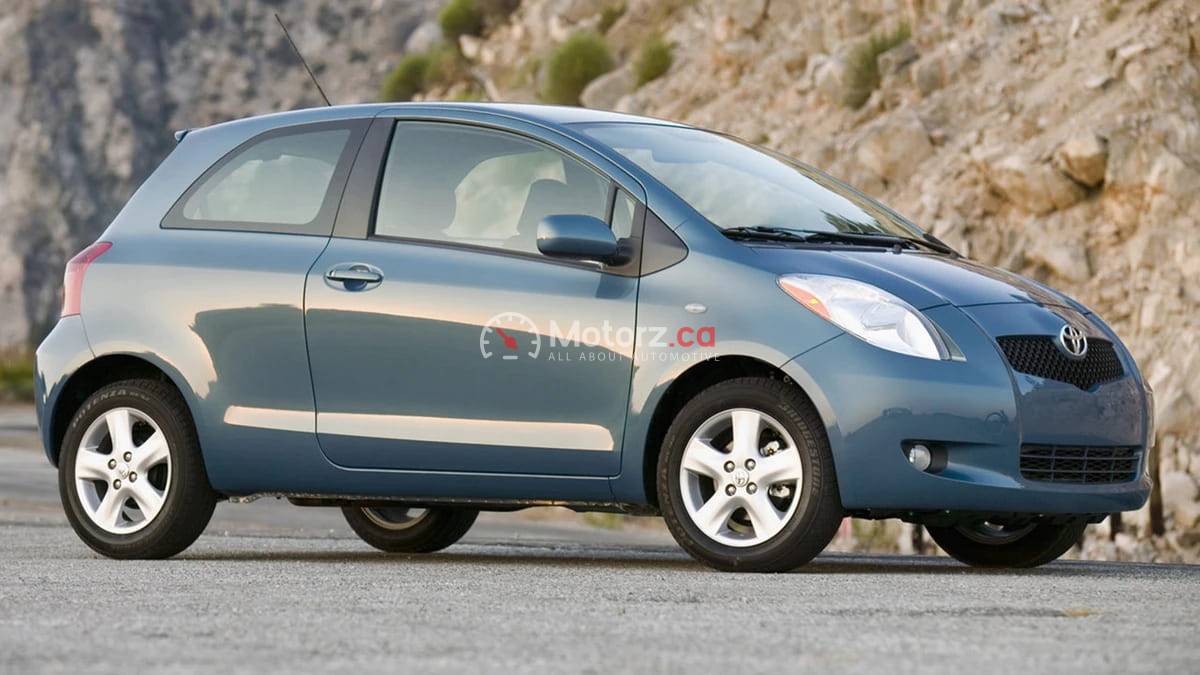
In the world of Toyota Owner Faces ownership, a recall notice is usually a minor inconvenience—an extra hour at the local dealership and a complimentary cup of coffee. However, for those living in Canada’s most remote regions, a “simple” safety fix can turn into a multi-day expedition. One Toyota customer in Labrador is currently highlighting the stark reality of rural vehicle ownership, facing a staggering 16-hour round trip just to address a critical airbag recall.
As we navigate 2026, the gap between urban convenience and rural necessity has never been more apparent. While automakers push toward digital connectivity and over-the-air updates, physical mechanical repairs still require a brick-and-mortar service center. For residents of the Big Land, the nearest authorized Toyota technician isn’t just “across town”—they are across an entire wilderness.
In this edition of our consumer advocacy series, we explore the logistical nightmare of northern recalls, the specific dangers of the Takata airbag legacy, and what manufacturers owe to customers who live far beyond the city lights.
The Logistical Nightmare: Toyota Owner Faces for a New Airbag
For most drivers, the “Warning: Toyota Owner Faces” label on a recall notice is a suggestion to book an appointment next week. In Labrador, it is a logistical puzzle that involves hundreds of liters of fuel, overnight stays, and unpredictable sub-arctic weather.
The Route from Labrador West to the Coast
The customer in this case, residing in Labrador West, must travel the Trans-Labrador Highway to reach the nearest authorized service center. This route is not for the faint of heart. Spanning over 500 kilometers one way, the trip involves vast stretches of gravel, limited cell service, and the constant threat of moose or caribou crossings.
The Time and Financial Toll
A 16-hour driving commitment is only part of the story. When you factor in the time for the actual repair, a “one-day” fix becomes a three-day journey.
Fuel Costs: In 2026, fuel prices in remote regions remain significantly higher than the national average.
Accommodation: An overnight stay in a hotel is mandatory to avoid driving fatigued through high-risk wildlife zones.
Lost Wages: For many workers, taking two or three days off for a vehicle repair results in a significant financial hit.
The Danger Under the Dashboard: Why the Recall Can’t Be Ignored
The specific recall affecting this Toyota involves the infamous Takata airbag inflator—a component that has become the largest and most complex safety recall in automotive history.
The Science of Degradation
Takata airbags use ammonium nitrate as a propellant. Over years of exposure to high humidity and extreme temperature fluctuations—conditions common in the shifting Labrador climate—this chemical becomes unstable.
The “Shrapnel” Risk: During a crash, the unstable propellant can burn too fast, causing the metal inflator canister to explode. Instead of a soft cushion of air, the driver is met with shards of metal shrapnel launched at high velocity.
Why Northern Climates Matter
While humidity is the primary catalyst for Takata failures, the extreme “heat cycling” found in the North (where cabins are heated to 20 degrees Celsius while the exterior is minus 40) puts unique stress on interior components. Ignoring this recall in Labrador isn’t just a maintenance oversight; it is a life-threatening gamble.
The Responsibility of the Manufacturer: Is Enough Being Done?
When a manufacturer sells a vehicle in a remote region, do they have a moral or legal obligation to ensure that safety repairs are accessible? This is the question currently being debated by consumer rights groups in Newfoundland and Labrador.
Mobile Repair Units: A Missed Opportunity?
In 2026, many manufacturers have the technology to deploy “Mobile Service Vans.” These units can travel to remote hubs—like Labrador City or Happy Valley-Goose Bay—to perform high-volume recall work in a local community center or parking lot.
The Solution: Instead of 50 customers driving 16 hours each, one technician drives 16 hours to service 50 cars. To date, however, these programs are often restricted to major urban centers where they are less needed.
Transport and Towing Subsidies
In cases where a vehicle is deemed “too dangerous to drive,” manufacturers are technically required to tow the vehicle to the nearest dealer. However, many “fine print” clauses exclude remote regions or limit towing distances to 100 kilometers. For a Labrador customer, a 500-kilometer tow can cost more than the value of an older vehicle.
Tips for Remote Vehicle Owners Facing a Recall
If you live in a remote area and receive a safety recall notice, you have more leverage than you might realize. Here is how to handle the situation:
Demand a Rental/Loaner: If the manufacturer requires you to leave your vehicle for multiple days, they should provide a loaner car or reimburse you for a rental.
Coordinate with Neighbors: Use social media or community boards to find others with the same recall. Approaching a dealership as a group of 10 owners can incentivize them to send a mobile technician to your town.
Ask for Travel Reimbursement: While not standard, some manufacturers will offer “goodwill” vouchers for gas or hotels if you can demonstrate that the recall fix requires extreme travel.
Contact Transport Canada: If a manufacturer refuses to help with the logistics of a safety-critical repair, file a formal complaint. This puts regulatory pressure on the brand to find a local solution.
The Future of Remote Automotive Service
As we move toward 2027 and 2028, the industry must evolve. We are seeing a push for “Modular Dealerships”—shipping containers converted into high-tech repair bays that can be dropped into remote towns for a month at a time to handle regional recalls.
Until these solutions become the norm, the burden of safety remains on the shoulders of rural Canadians. The 16-hour trip faced by this Toyota owner isn’t just a local story; it is a call to action for every automaker that profits from the rugged loyalty of northern drivers.
Safety Should Not Have a Postal Code
Vehicle safety is a fundamental right, not a luxury reserved for those living near a major city. The “Great Labrador Recall” story serves as a reminder that as vehicles become more advanced, the physical infrastructure to support them must not leave rural communities behind. Whether through mobile service units or better travel subsidies, automakers must ensure that a 16-hour drive is never the only path to a safe vehicle.