
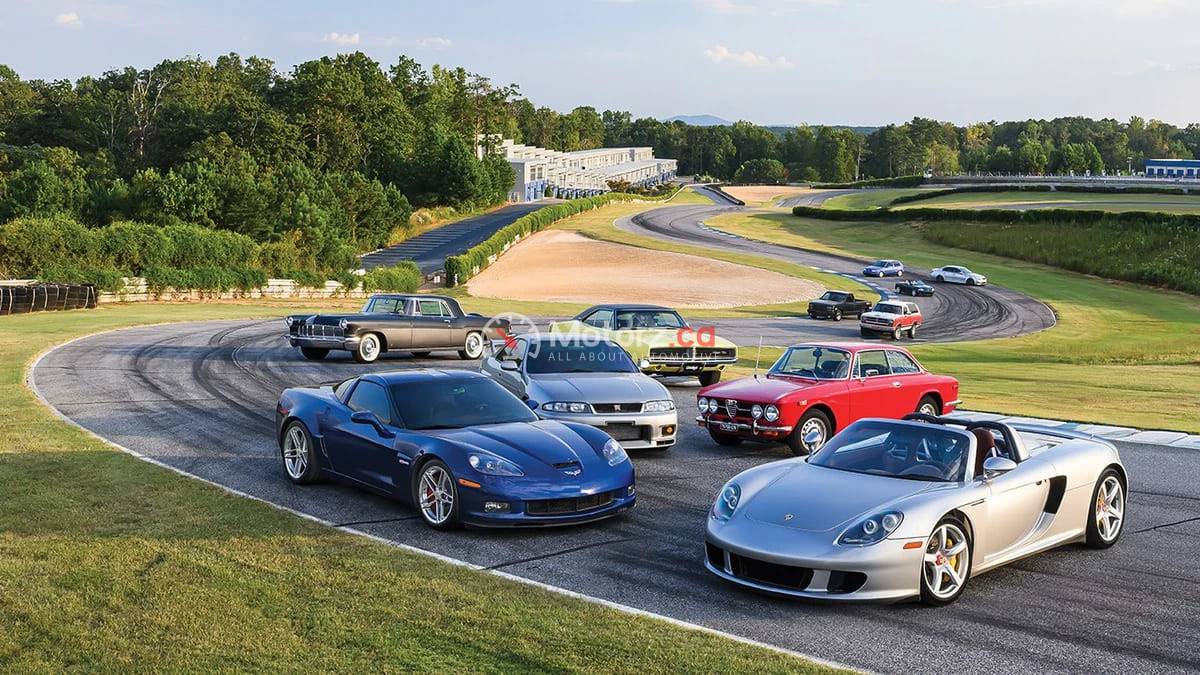

The collector Cars Poised to Skyrocket in Value is in the midst of a generational shift. The high-priced exotics of the 1960s and 70s will always hold their value, but the fastest appreciation is happening in the segment often called “modern classics”—vehicles produced from the mid-1990s through the mid-2000s.
For enthusiasts, these cars hit a sweet spot: they offer analogue, engaging driving dynamics (hydraulic steering, manual transmissions, less electronic intervention) combined with modern reliability features like fuel injection and better rust proofing. For investors, they represent the ultimate nostalgia play. The Millennials and Gen Xers who grew up with these cars plastered on their bedroom walls, featured heavily in early video games like Gran Turismo and Need for Speed, or starring in the Fast and Furious franchise, now have the disposable income to buy their childhood dream machines.
We’ve combed through market trends, auction data, and collector sentiment to identify 11 late 90s and early 2000s cars that are currently undervalued and poised for significant growth. If you are looking to buy a future classic—a car that you can enjoy driving and one that offers a high likelihood of appreciation—now is the time to act before these Y2K era performance vehicles move firmly out of reach.
The Japanese Tuner Icons: JDM’s Next Wave of Appreciation
While the Toyota Supra Turbo (A80) and Acura Integra Type R have already skyrocketed into six-figure territory, many of their contemporaries from the same golden age of Japanese Domestic Market (JDM) performance are still catching up. These models offer legendary reliability, exceptional engineering, and the highly desirable analogue driving experience.
Subaru Impreza WRX STi Cars Poised to Skyrocket in Value
The Subaru WRX STi from the mid-2000s, particularly the iconic “Blobeye” (2004–2005) and the “Hawkeye” (2006–2007), are the ultimate expression of rally heritage. Their unique combination of a turbocharged EJ257 Boxer engine and symmetrical All-Wheel Drive (AWD) makes them ferocious on any surface.
Investment Appeal: Clean, unmodified examples are increasingly scarce. Many were modified, raced, or simply driven hard. Originality is now a massive premium.
Key Driver: The nostalgia factor is immense. This generation defined the tuner scene and was a dominant force in video game culture. Finding a low-mileage car with a clean title and factory paint will yield exceptional returns.
Mitsubishi Lancer Evolution IX (2005–2007)
The ultimate rival to the Subaru, the Mitsubishi Lancer Evo IX is often considered the pinnacle of the Evo line before the final X generation. Equipped with the legendary 4G63 turbo engine and featuring Mitsubishi’s sophisticated Active Yaw Control (AYC), this car is a pure, track-focused weapon.
Investment Appeal: The Lancer Evolution brand is essentially retired, guaranteeing that the existing models are the “last of their kind.” The Evo IX, with its MIVEC variable valve timing, is the sweet spot of performance and relative reliability.
Semantic Keywords: Evo 9 investment, 4G63 engine, JDM collector car, rally homologation special.
Mazda RX-8 (2004–2012)
Often overlooked due to the maintenance concerns of its Wankel rotary engine, the Mazda RX-8 is a phenomenal driver’s car. Its 50/50 weight distribution, distinctive Freestyle doors (suicide doors), and high-revving engine make it truly unique.
Investment Appeal: While high-mileage examples remain affordable, pristine, low-mileage versions that have been meticulously maintained (especially those with the rare six-speed manual transmission) are attracting serious enthusiast attention. As the last mass-produced rotary car, its novelty will only increase.
German Performance Bargains: The Affordable M and AMG
The premium German performance flagships from the early 2000s have depreciated significantly, placing them in a temporary buyer’s sweet spot. They deliver world-class engineering, stunning power, and high-end luxury at a fraction of their original cost.
BMW E39 M5 (1998–2003)
Widely heralded by critics as the greatest BMW M5 ever built, the E39 M5 masterfully blended luxury sedan refinement with supercar-slaying performance. It housed a naturally aspirated 4.9-liter V8 (S62) producing 394 horsepower, paired exclusively with a six-speed manual gearbox.
Investment Appeal: Values for clean examples have already begun a steady climb. This car represents the end of the analog, naturally aspirated M-car era. It’s an easy car to drive daily but offers a deep, rewarding driving experience.
Key Driver: The combination of a manual V8 in a beautiful, understated sedan body is a formula that modern BMWs have abandoned, making this generation highly sought after.
Mercedes-Benz C55 AMG (W203: 2005–2006)
Before the era of turbocharging dominated the AMG lineup, the C55 AMG shoehorned a massive, naturally aspirated 5.4-liter V8 engine into the compact C-Class chassis. It was a muscle car dressed in a sharp German suit.
Investment Appeal: This car is often overshadowed by its later, flashier successors (like the C63), keeping its initial purchase price low. It is one of the last “hand-built” AMG V8s without complicated turbo or supercharger plumbing. Finding one with service records is key, but the potential upside is significant.
Porsche 911 (996 Generation: 1998–2005)
The Porsche 996 was once the black sheep of the 911 family due to its controversial “fried egg” headlights and its switch to water cooling. However, its time in the valuation wilderness is ending. The core 911 driving experience is fully intact.
Investment Appeal: Base Carrera models (especially the post-2002 3.6-liter facelift cars) are still the most affordable entry point into 911 ownership. Experts believe these models will continue to rise as the appreciation of air-cooled 911s (964, 993) pushes buyers down the price ladder.
American Muscle and Luxury Utility: Unique Domestic Contenders
The collector market is not just about imports. Certain low-volume, high-performance, or uniquely styled American vehicles from this era are primed for a value explosion driven by brand loyalty and rarity.
Chevrolet Corvette Z06 (C5: 2001–2004)
The C5 Corvette Z06 is a performance bargain that won’t last. Featuring the legendary LS6 V8 engine with 405 horsepower and weighing only around 3,100 pounds, it delivered supercar performance on a mainstream budget.
Investment Appeal: It’s arguably the purest expression of modern Corvette performance—lightweight, powerful, and lacking the complex electronics of later generations. Its track-focused nature means clean, low-mileage examples are highly desirable to collectors.
Ford Mustang SVT Cobra (SN95: 1999–2004)
While the base Mustang is common, the special-edition SVT Cobra models from the “New Edge” era stand out. The 2003–2004 “Terminator” Cobra, with its factory supercharged 4.6-liter V8 (390 horsepower), is the undisputed king.
Investment Appeal: These cars represent a pinnacle of factory-backed muscle engineering from the era. Finding an unmolested Terminator is the key, as many were heavily modified. The combination of forced induction and independent rear suspension makes them truly special.
Jeep Grand Cherokee 5.9 Limited (ZJ: 1998)
This highly unique, single-year model is an early performance SUV with a cult following. The Jeep Grand Cherokee 5.9 Limited packed a punch with a 5.9-liter V8, making it the fastest SUV in the world in 1998. It featured unique cladding, hood louvers, and a premium leather interior.
Investment Appeal: Rarity is the main driver. It was built for only one model year. Its status as an enthusiast-spec sleeper SUV combines the current trend for retro 4x4s with V8 power.
Underrated Roadsters and Unexpected Collectibles
Beyond the high-performance segments, a few unexpected cars are rising in value due to their unique features, relative rarity, or sheer driving purity.
Honda S2000 (AP1/AP2: 1999–2009)
The Honda S2000 has already seen significant appreciation, but it still has room to grow. Its F20C/F22C engine, with a sky-high redline and legendary VTEC engagement, is one of the greatest four-cylinder engines ever made.
Investment Appeal: Its reputation for pure driving dynamics and manual-only transmission, combined with the fact that Honda will never build another car like it, cements its future classic status. Buy the cleanest AP1 (high-revving) or AP2 (better torque) you can find.
Audi TT (First Generation: 1998–2006)
The first-generation Audi TT was a radical design statement that redefined the brand. Its Bauhaus-inspired, minimalist styling is already finding favor with modern designers and enthusiasts.
Investment Appeal: Look for the top-tier models: the 225-horsepower Quattro or, better yet, the rare 3.2-liter VR6 with the DSG dual-clutch transmission. The early TT is a design icon, and original, un-modified examples with unique colors or trim are set for a solid value increase as the market rediscovers its revolutionary styling.
The Collector’s Checklist: Buying the Next Big Classic
When investing in a late 90s or early 2000s car, the rules of the game are slightly different than buying a traditional classic. Here are the key factors that will drive future value:
Originality is King: The market is now actively undoing modifications. A factory-stock, unmolested car, even a base model, will always command a premium over a heavily modified one.
Maintenance Records: The mechanical complexity of modern classics (sensors, electronics, complex timing chains/belts) makes verifiable, comprehensive service history absolutely essential.
Low Mileage: While mileage matters less for a 1960s car, it is crucial for this era. A car with 30,000 miles is worth exponentially more than one with 130,000 miles.
Manual Transmission: For nearly all performance vehicles in this list (M5, STi, S2000), the manual transmission is the most desirable and highest-appreciating configuration.
The window of opportunity for affordable entry into the market for these engaging, historically significant vehicles is rapidly closing. These 11 cars represent the best chance to own a piece of automotive nostalgia that is both highly enjoyable to drive and highly likely to deliver a strong return on enjoyment and investment.