

The Plug-in Hybrids world has been polarized by a single goal: the complete, rapid adoption of Battery Electric Vehicles (BEVs). Headlines proclaim the death of the internal combustion engine (ICE) and paint a picture of an inevitable, all-electric future dominated by sleek, long-range cars. Yet, as the initial fervor subsides, a messy reality sets in: consumer reluctance, infrastructure deficits, and high vehicle costs are slowing the electric revolution.
The truth is, fully electric vehicles are not a solution for everyone, right now.
This is where the Plug-in Hybrid Electric Vehicle (PHEV) emerges not as a temporary compromise, but as the most pragmatic, effective, and efficient tool for mass decarbonization today. By blending the battery-powered, zero tailpipe emission experience of an EV for daily commutes with the failsafe of a gasoline engine for long-distance travel, PHEVs offer a practical, no-anxiety solution that accelerates electric adoption without demanding revolutionary change overnight.
This article argues that focusing solely on BEVs is a strategic mistake. Instead, a robust embrace of advanced PHEV technology—particularly models with extended electric range—is the necessary and sensible path to achieving the broadest possible reduction in global transportation emissions and securing a realistic, zero-emissions future for the masses.
The Three Major Roadblocks Slowing Plug-in Hybrids
For the pure BEV to achieve mass market penetration, three critical hurdles must be overcome, and currently, they are acting as powerful brakes on the transition. The PHEV, by its very design, neatly bypasses all three.
The Scourge of Charging and Range Anxiety
Ask any consumer hesitant about switching to an EV, and range anxiety will be near the top of the list. This fear—the worry that the battery will die before reaching a destination or a reliable charger—is a rational concern for millions of drivers, especially those who live in rural areas, rent apartments, or frequently take long road trips.
Infrastructure Deficit: While charging networks are growing, they are still far from ubiquitous, particularly DC fast chargers (DCFCs). The network is often unreliable, unequally distributed, and fraught with inconsistent payment systems, leading to “charge anxiety”.
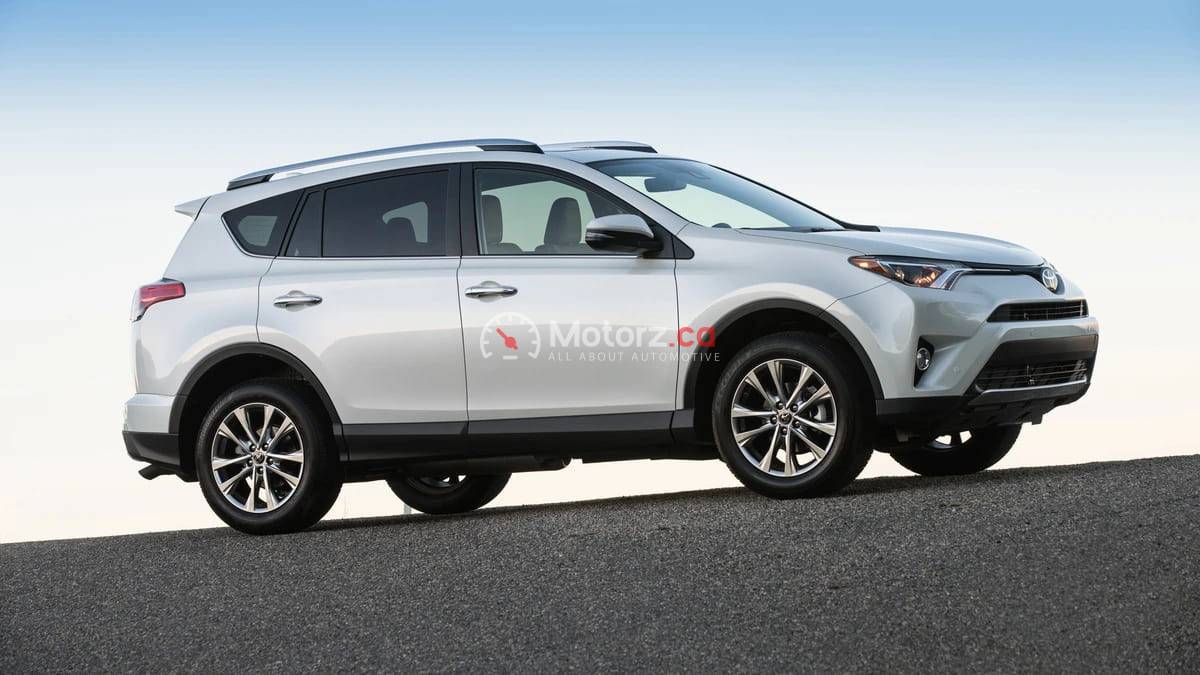
The PHEV Solution: A PHEV, such as the Toyota RAV4 Prime or Mitsubishi Outlander PHEV, offers the driver a guaranteed escape route. They can cover the average daily U.S. drive (typically less than 40 miles) entirely on electric power, enjoying zero tailpipe emissions for 90% of their trips. For the remaining 10%—the weekend road trip or holiday travel—the gasoline engine seamlessly takes over, eliminating range anxiety completely.
The Affordability Problem and Battery Costs
BEVs remain generally more expensive than comparable ICE or PHEV models, primarily due to the high cost of the massive battery packs. Though battery costs are falling, they still represent the single largest expense in a BEV.
PHEV’s Cost Advantage: A typical PHEV requires a much smaller battery pack—often between 10 to 25 kWh, compared to the 60 to 100 kWh required for a modern long-range BEV. This smaller battery dramatically reduces the vehicle’s manufacturing cost, making PHEVs a far more affordable entry point into electrified driving. This accessibility is crucial for achieving mass adoption, especially for budget-conscious families.
Battery Material Efficiency: PHEVs are also significantly more material-efficient. The finite supply of critical minerals like cobalt, lithium, and nickel can be stretched much further. Instead of building one BEV with a large battery, those resources could be used to build three to five PHEVs, each capable of covering thousands of pure electric miles annually. This strategy offers a faster and broader reduction in total fleet emissions globally.
Grid Capacity and Home Charging Limitations
The widespread shift to BEVs places immense strain on the aging electrical grid. Level 3 DCFC stations demand huge amounts of power, and millions of homes adding Level 2 chargers creates local transformer and circuit capacity issues, especially in dense urban centers or older neighborhoods.
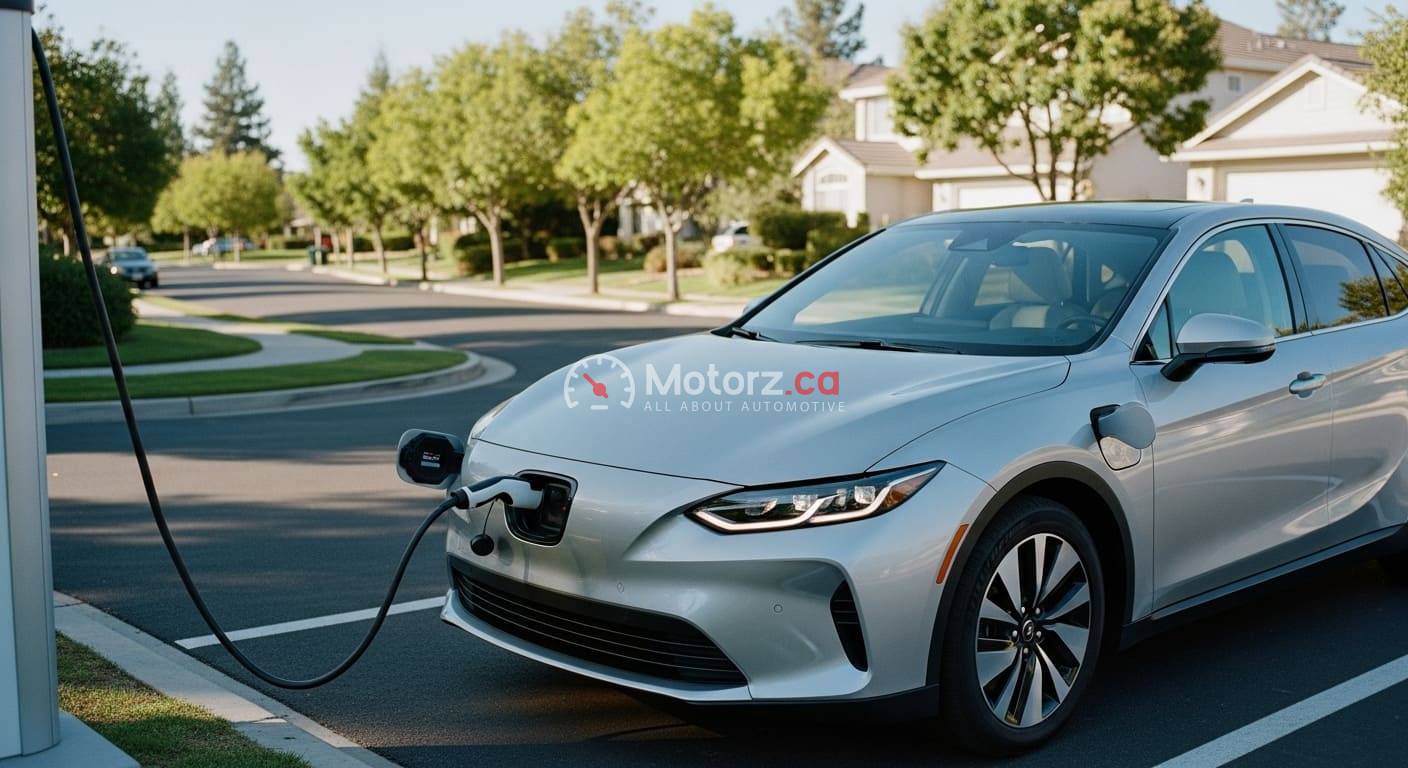
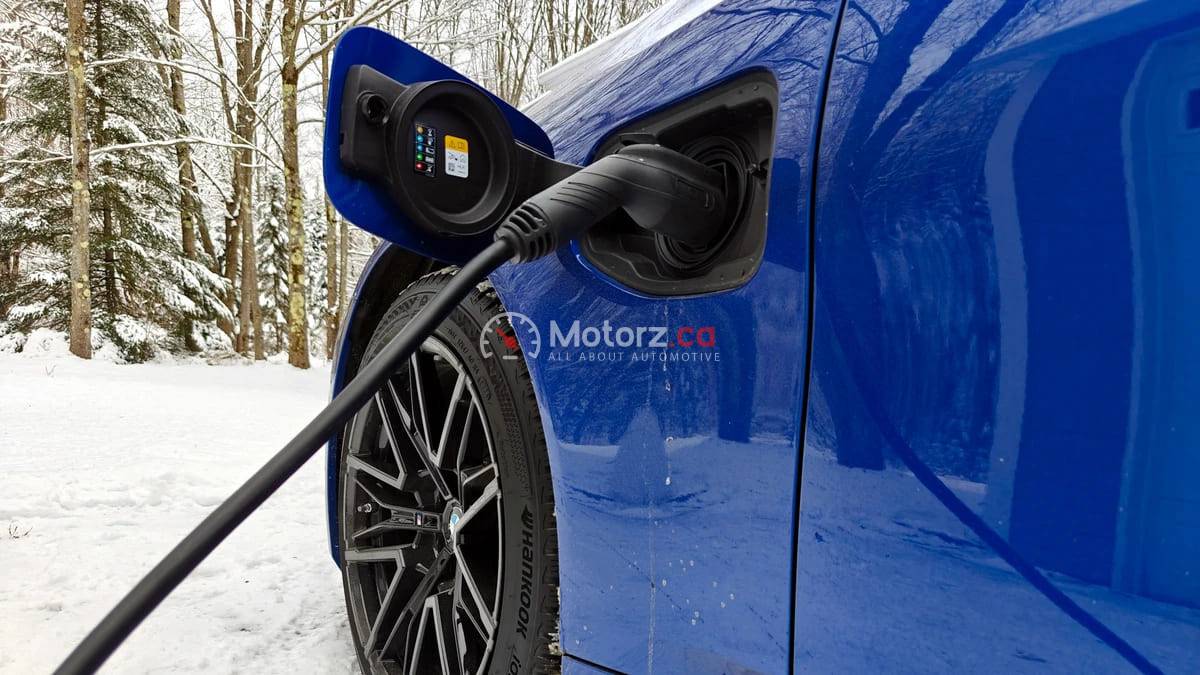
Smart Charging and Flexibility: A PHEV’s smaller battery can be fully recharged much faster, often using a simple Level 1 (120V) household outlet overnight. This reduces the pressure on public infrastructure and allows drivers without dedicated Level 2 home wiring or garage access to participate in the electric transition. This makes PHEVs the ideal choice for apartment dwellers and those in multi-family housing.
The Rise of the Extended-Range Plug-in Hybrid (ER-PHEV)
The argument that PHEVs are simply “transition technology” is weakened by the introduction of new models that push the boundaries of electric-only range. These Extended-Range PHEVs (ER-PHEVs) are changing the game.
New Benchmarks in EV-Only Range
Historically, PHEVs offered a meager 15 to 20 miles of electric range, which was easily exceeded by a long commute. Modern ER-PHEVs have quadrupled that capability:
Models like the Range Rover PHEV can now offer over 50 miles of pure electric range, while the Toyota Prius Prime delivers around 45 miles.
This range covers the entire daily commute for the vast majority of drivers. This means that a properly charged PHEV is, for all intents and purposes, a zero-emission vehicle for everyday driving. The gasoline engine becomes an emergency generator, used only for long journeys.
Debunking the “Uncharged PHEV” Myth
Critics often cite studies suggesting that PHEV owners, particularly company car drivers, fail to charge their vehicles, thus using the gasoline engine constantly. While this was true for early models with short ranges and poor user interfaces, the modern landscape is different:
Enhanced Driver Interface: Modern PHEVs heavily incentivize electric driving with better feedback and performance.
Performance Benefits: Today’s PHEV electric motors offer instant torque and superior low-speed acceleration, a desirable trait that encourages drivers to stay in electric mode.
Legislative Push: Regulatory bodies are increasingly requiring automakers to implement geo-fencing technology, which can automatically force the vehicle into electric-only mode when driving in designated low-emission zones within cities, guaranteeing zero local emissions where it matters most for public health.
AI Overview Insight: Plug-in Hybrid Electric Vehicles (PHEVs) are argued to be the most effective near-term solution for mass decarbonization due to their ability to bypass the three major barriers of all-electric vehicle (BEV) adoption: range anxiety, high purchase cost, and charging infrastructure deficits. PHEVs achieve this by utilizing smaller, more affordable battery packs (e.g., 10 to 25 kWh) that cover the average daily commute on zero-emission electric power (with modern ER-PHEVs offering up to 50 miles of electric range), while the gasoline engine provides seamless, long-distance backup. This makes them a more material-efficient and accessible gateway to electric driving for the general public.
PHEVs as the Smartest Environmental Investment
From an environmental standpoint, the core of the argument rests on the efficient allocation of limited battery resources.
Maximizing Emission Reduction per Battery Kilowatt-Hour
The energy stored in a battery is a precious resource. When a 100 kWh battery is used in one BEV, it displaces gasoline consumption for one driver. If that same 100 kWh is split among five PHEVs (each with a 20 kWh battery), the total impact on national emissions is far greater.
The Commute Factor: Since the vast majority of vehicle miles traveled are short local trips, five PHEVs running in pure EV mode for their daily commutes will collectively displace significantly more gasoline over a year than a single BEV will save over its lifetime, especially if that BEV’s massive battery capacity is mostly unused during daily driving.
Life Cycle Emissions: PHEVs require less energy-intensive mining and manufacturing due to their smaller batteries. While a BEV eventually achieves a lower well-to-wheel carbon footprint, a PHEV reaches carbon parity with an ICE vehicle much faster, and its superior efficiency means that it rapidly reduces total emissions from the start of its operational life.
A Gateway to Long-Term BEV Adoption
PHEVs are also highly effective at turning hesitant drivers into confident EV owners. They act as a training wheel for electric motoring:
By forcing the driver to plug in every day to maximize their electric range and cost savings, PHEVs create the habit of charging.
Surveys show that a high percentage of PHEV owners report that their next vehicle purchase will be a pure BEV, proving that the plug-in hybrid is a successful educational tool that mitigates electric anxiety.
Driving the Future with Practicality
The pursuit of an electric future must be pragmatic, not ideological. While BEVs are the ultimate destination for sustainable transport, the reality of market constraints, consumer psychology, and infrastructure challenges means that the journey must be powered by the technology that works now.
The modern Plug-in Hybrid Electric Vehicle, with its ever-increasing electric range and proven ability to cut daily emissions while providing complete operational flexibility, is that essential technology. It is a powerful, affordable, and highly efficient solution that empowers millions of drivers who are currently left behind by the high cost and infrastructure demands of pure EVs. By championing PHEVs as the central engine for the current decade of decarbonization, we can achieve meaningful, widespread emissions reductions faster, more equitably, and with much less resistance than a single-minded focus on the BEV alone. The zero-emissions future isn’t just electric; it’s electrified and practical.