



In Kingston, Jamaica, your motorcycle is more than just a ride; it’s a lifeline—a tool for navigating the city’s lively chaos, from the heavy traffic of Spanish Town Road to the steep inclines of the hillsides. But the Jamaican environment is relentlessly tough on two wheels. The intense tropical heat, high humidity, and the famous (or infamous) wear-and-tear of our roads mean a standard maintenance schedule simply won’t cut it.
If you want your bike to deliver peak performance, exceptional fuel efficiency, and absolute reliability under the Caribbean sun, you need a proactive, localized approach. Forget the vague advice; this is your definitive 7-step motorcycle maintenance schedule, specifically engineered for enduring the heat, moisture, and daily grind of Motorcycle Maintenance roads.
Let’s ensure your machine remains crisp, responsive, and ready for whatever the road throws at it.
The Tropical Oil Strategy: Engine Lubrication is Life
In the constant high temperatures of Jamaica, engine oil degrades faster than you might think. Heat accelerates the breakdown of the oil’s protective additives, compromising its ability to cool and lubricate the engine—especially critical for air-cooled bikes sitting in Kingston traffic.
The Right Oil Viscosity for Jamaican Heat
H4: Go Thicker in the Tropics: For consistent high-temperature operation, motorcycle oil with a higher hot-viscosity rating is often recommended (e.g., 20W−50 instead of 10W−40), particularly for older or air-cooled Motorcycle Maintenance. The thicker oil maintains a stronger film strength at high engine temperatures, offering superior protection against metal-on-metal wear.
Choose Quality and Frequency: Always opt for high-quality synthetic or semi-synthetic oil, as it withstands thermal breakdown better than conventional mineral Motorcycle Maintenance. In Kingston’s severe operating conditions (high heat, constant idling), reduce the manufacturer’s suggested oil change interval by 20-30%. If your manual says 3,000km, aim for 2,000-2,500km.
Check the Level Weekly: Frequent, low-speed Kingston traffic reduces airflow, making engines run hotter and potentially consuming oil Motorcycle Maintenance. Make it a habit to check the oil level every Saturday morning. Low oil is a death sentence for any engine.
Chain and Motorcycle Maintenance: Battling Dust and Moisture
The combination of road dust (from dry weather) and sudden tropical downpours (high humidity) creates an abrasive paste that quickly grinds away at your chain and sprockets. Chain maintenance in Jamaica is not optional; it’s mandatory.
The Clean, Lube, Adjust Triad
Clean Weekly, Lube Bi-Weekly: Use a proper chain cleaner (never gasoline, which is too harsh) to remove grit. In dusty or rainy Motorcycle Maintenance, this should be a weekly or bi-weekly ritual. Follow up immediately with a high-quality chain lubricant that is designed to resist fling-off and repel moisture.
Tension is Everything: Check your chain tension (slack) frequently, especially after long rides or hitting heavy potholes. Incorrect tension accelerates wear on both the chain and the crucial drive sprockets. Refer to your owner’s manual for the exact slack measurement—a chain that is too tight is just as damaging as one that is too loose.
Inspect Sprockets for Wear: Look for ‘hooking’ or shark-fin Motorcycle Maintenance on the teeth of your sprockets. If they are worn, replace the entire chain and both sprockets as a complete set. Replacing just one component will quickly destroy the others.
Tyres and Suspension: Navigating Kingston’s Surfaces
The sheer variability of Kingston roads—potholes, sharp drainage covers, and sudden elevation changes—places immense stress on your tyres (tires) and suspension.
Pressure and Pothole Vigilance
Maintain Optimal Tyre Pressure: Hot pavement and high ambient temperatures increase internal tyre pressure. Check the pressure when the tyres are cold (before you ride in the morning). Correct pressure ensures proper handling, maximum tyre Motorcycle Maintenance, and optimal fuel efficiency. An under-inflated tyre generates excessive heat and is far more likely to suffer a pinch flat from a sharp pothole.
Suspension Leak Check: Regularly inspect the front fork seals and the rear shock absorber for any streaks of oil. Leaking fork seals mean your suspension is compromised, which significantly reduces your ability to safely absorb bumps and maintain control.
Inspect Tyres for Tropical Wear: The intense UV rays and heat can cause the rubber to dry out and crack prematurely (dry rot). Look for small cracks in the sidewall and between the treads. If the tread depth is nearing its limit, or if you see dry rot, replace the tyre immediately for maximum safety.
The Jamaican Climate Battle: Corrosion and Electrical Care
High humidity and sea air exposure (even inland) make rust and corrosion a constant threat. Your bike’s electrical system and metal surfaces are under attack 24/7.
Anti-Corrosion Protocol
Wash and Wax Regularly: Frequent washing is critical to remove corrosive road grime and dust. Follow every wash with a quality wax or polymer sealant on the painted surfaces.
Metal Protection: Pay special attention to unpainted metal components like bolts, brackets, and the exhaust header. Use a Motorcycle Maintenance-displacing spray (like WD-40) or dedicated anti-corrosion spray on these areas after every wash.
Battery and Terminals: The heat can shorten battery life. Check your battery terminals often for white or blue corrosion and keep them clean and lightly coated with dielectric grease. Ensure your bike is properly grounded, as electrical issues are frustratingly common in humid climates.
Breathing Easy: Air Filter and Fuel System Health
The combination of heavy urban smog and high dust levels in some Kingston areas means your engine is constantly inhaling contaminants. The air filter is your engine’s lung, and it needs frequent attention.
Optimizing Airflow and Fuel Quality
Air Filter Check and Replacement: Check your air filter’s condition every time you change the oil. If it’s dirty, it restricts airflow, leading to poor performance, reduced fuel efficiency, and excessive carbon build-up. In dusty Kingston environments, you may need to clean or replace the filter more frequently than the manual suggests.
Fuel System Integrity: Use high-quality fuel, and consider adding a reputable fuel system cleaner periodically to combat deposits caused by lower-quality gasoline or ethanol content. Check all fuel lines and hoses for Motorcycle Maintenance, a common issue with rubber components exposed to constant heat.
Brake System: The Essential Safety Check
With the sudden stops required in heavy Kingston traffic and the need for precision braking on wet roads, your brakes must be in flawless condition.
Pad Wear and Fluid Integrity
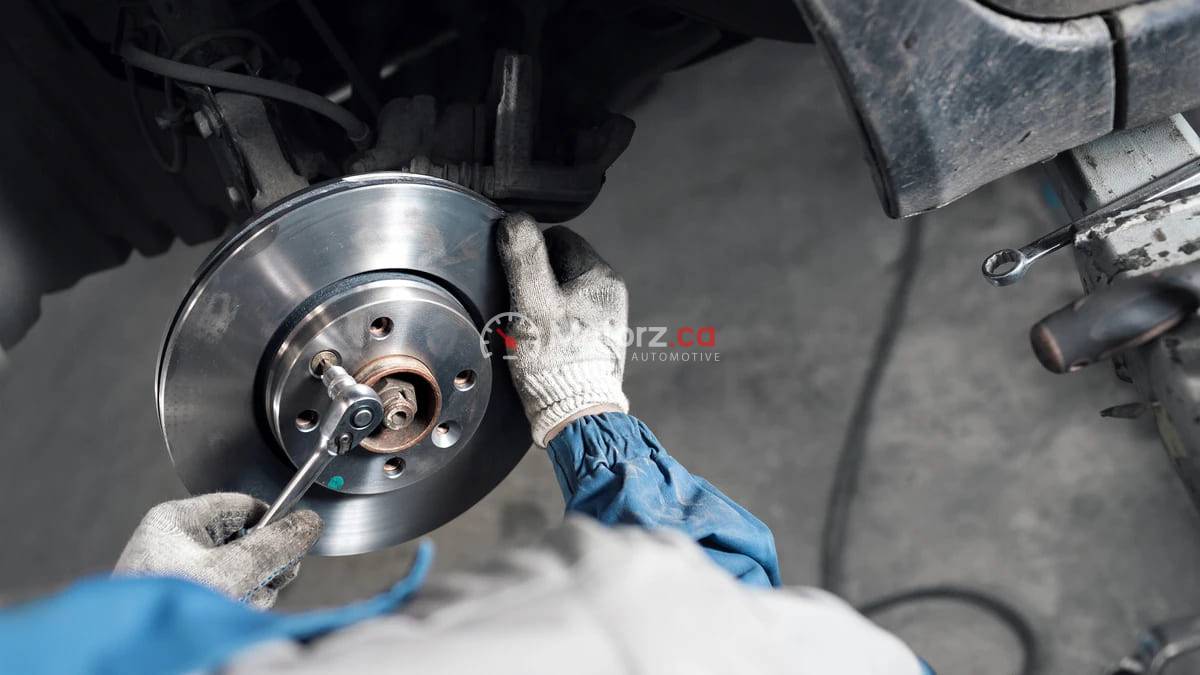
Check Brake Pad Thickness: Visually inspect the front and rear brake pads. Do not allow them to wear below the manufacturer’s minimum Motorcycle Maintenance. Worn pads drastically increase stopping distance and risk damage to the rotor, leading to more expensive motorcycle repair.
Brake Fluid Condition: Brake fluid is hygroscopic (absorbs moisture), and the heat in Jamaica accelerates this process. Contaminated fluid boils easily, leading to ‘brake fade’—a terrifying loss of braking power. Brake fluid should be flushed and replaced according to your manual, typically every one to two years, regardless of mileage.
Disc and Rotor Inspection: Look for deep grooves or warping on the brake rotors. A warped rotor will cause a pulsing feeling at the brake lever, indicating it needs to be replaced.
The Paperwork and Professional Check-up
Finally, even the best DIY maintenance requires professional oversight and proper adherence to local regulations.
Partnering with Local Kingston Mechanics
The Full Service Appointment: Schedule a comprehensive check-up with a trusted local mechanic at least once per year. They can perform checks you can’t, such as steering head bearing play, valve clearances, and specialized electrical diagnostics. Use the list of reputable motorcycle repair shops in Kingston (like those on Hagley Park Road or along major commercial strips) to find a reliable partner.
Know the Road Traffic Act: Stay informed about new regulations, such as the required decibel level for mufflers and helmet standards, to avoid unnecessary fines and ensure legal safety on the roads.
By diligently following these 7 steps for peak Kingston performance, you move beyond basic motorcycle maintenance and adopt a proactive strategy that addresses the specific, brutal demands of the Jamaican environment. Your bike will not only last longer, but it will ride smoother, more reliably, and keep you safe on our challenging, yet beautiful, Motorcycle Maintenance. Ride smart, stay maintained, and enjoy the freedom of the ride!