

A Photographer’s Guide to Ontario Motorsports
The roar of a Motorsports Photography engine, the blur of a car hurtling down the straightaway, the precise elegance of a driver taking a corner at the limit—these are moments that last only a split second. But for the motorsports photographer, that split second is a lifetime of opportunity. Capturing the speed, power, and raw emotion of racing is an art form that requires a unique blend of technical skill, a keen eye for composition, and a deep understanding of the sport. Ontario, with its rich racing history and a variety of tracks from world-class road courses to grassroots oval speedways, offers a thrilling playground for any photographer.
This blog post is your comprehensive guide to motorsports photography in Ontario. We’ll cover everything from the gear you need and the techniques you must master to the best locations in the province to get those incredible, magazine-quality shots.
The Essential Gear: Your Toolkit for the Track
You don’t need to break the bank to get started, but having the right tools for the job is essential. The high-speed nature of motorsports means you’ll be shooting from a distance, so a long lens is your most important piece of equipment.
The Camera Body and Lenses
Camera Body: While a professional-grade Motorsports Photography with a fast frame rate is a dream, you can start with an entry-level or mid-range DSLR or mirrorless camera. Look for a camera with a fast autofocus system and a continuous shooting mode that can capture multiple frames per second.
Telephoto Zoom Lens: This is the workhorse of motorsports photography. A lens in the 70-200mm or 70-300mm range is a great starting point, allowing you to get close to the action from a safe distance. For longer straights and larger tracks, a Motorsports Photography or similar super-telephoto lens can be a game-changer, giving you the ability to compress the background and fill the frame with the car.
Wide-Angle Lens: Don’t forget your wide-angle lens. While telephotos are great for action shots, a wide lens is essential for capturing the atmosphere of the paddock, the pre-race grid, and the crowds, providing context to your race day story.
The Support System and Accessories
Monopod or Tripod: While many Motorsports Photography prefer to shoot handheld for flexibility, a monopod can provide stability for those long, heavy telephoto lenses, especially when you’re panning (more on that later). A tripod is useful for static shots or for long-exposure nighttime photography.
Filters: A polarizing filter can help reduce glare and reflections off the cars’ shiny surfaces, allowing you to see the driver more clearly and capture the vibrant colours of the liveries.
Protection: Don’t forget to protect your gear. A rain cover or camera sleeve is a must-have for those days when the weather turns, and a lens hood can help with sun glare and protect the front of your lens from stray debris.
Mastering the Techniques: Going Beyond the Snapshot
A motorsports photograph is at its best when it conveys a sense of speed and motion. Simply freezing the action can make a million-dollar race Motorsports Photography look like it’s parked on the track.
The Art of Panning
Panning is the most essential technique for motorsports photography. It’s the key to creating a shot where the car is sharp, but the background is a beautiful, horizontal blur.
The Method: Set your camera to Shutter Priority Motorsports Photography mode and choose a slow shutter speed (start with 1/125s and adjust from there). As the car approaches, follow it with your camera in a smooth, fluid motion, and press the shutter button while continuing to move. The goal is to match the speed of the car with the movement of your camera. This takes practice, but the results are worth it.
The Settings: A slower shutter speed will create a more dramatic blur. Experiment with speeds like 1/60s or even 1/30s for a more extreme effect, but be prepared to get a lot of blurry photos as you learn the technique.
Freezing the Action
Sometimes, you want to freeze a specific Motorsports Photography, like a car’s wheels leaving the ground or a burst of smoke from a burnout.
The Method: Set your camera to a fast shutter speed, typically 1/500s or faster. This will stop the action dead in its tracks.
The When: This technique works best for capturing Motorsports Photography braking heavily into a corner, showcasing the dive of the front suspension, or for a clean shot of the car in mid-air on a jump.
Top Locations in Ontario for Motorsports Photography
Ontario offers a fantastic variety of tracks, each with its own unique character and photographic opportunities.
World-Class Road Courses
Canadian Tire Motorsport Park (CTMP): A legendary track and a photographer’s paradise. The “Mosport” grand prix circuit offers a variety of vantage points, from the high-speed turns of the back straight to the iconic corner known as “The Esses.” Look for opportunities to shoot from a high vantage point to capture the entire track.
Calabogie Motorsports Park: Located near Ottawa, Motorsports Photography is Canada’s longest road course. Its challenging layout with elevation changes and a variety of corners provides endless opportunities for dynamic shots. The track’s rural setting also offers a scenic backdrop for your photos.
Grassroots Ovals and Drag Strips
Grand Bend Motorplex: A multi-use facility known for its drag strip. Drag racing photography is a unique challenge, requiring you to capture the explosive acceleration of a car from a standstill. Panning is essential here to convey the incredible speed.
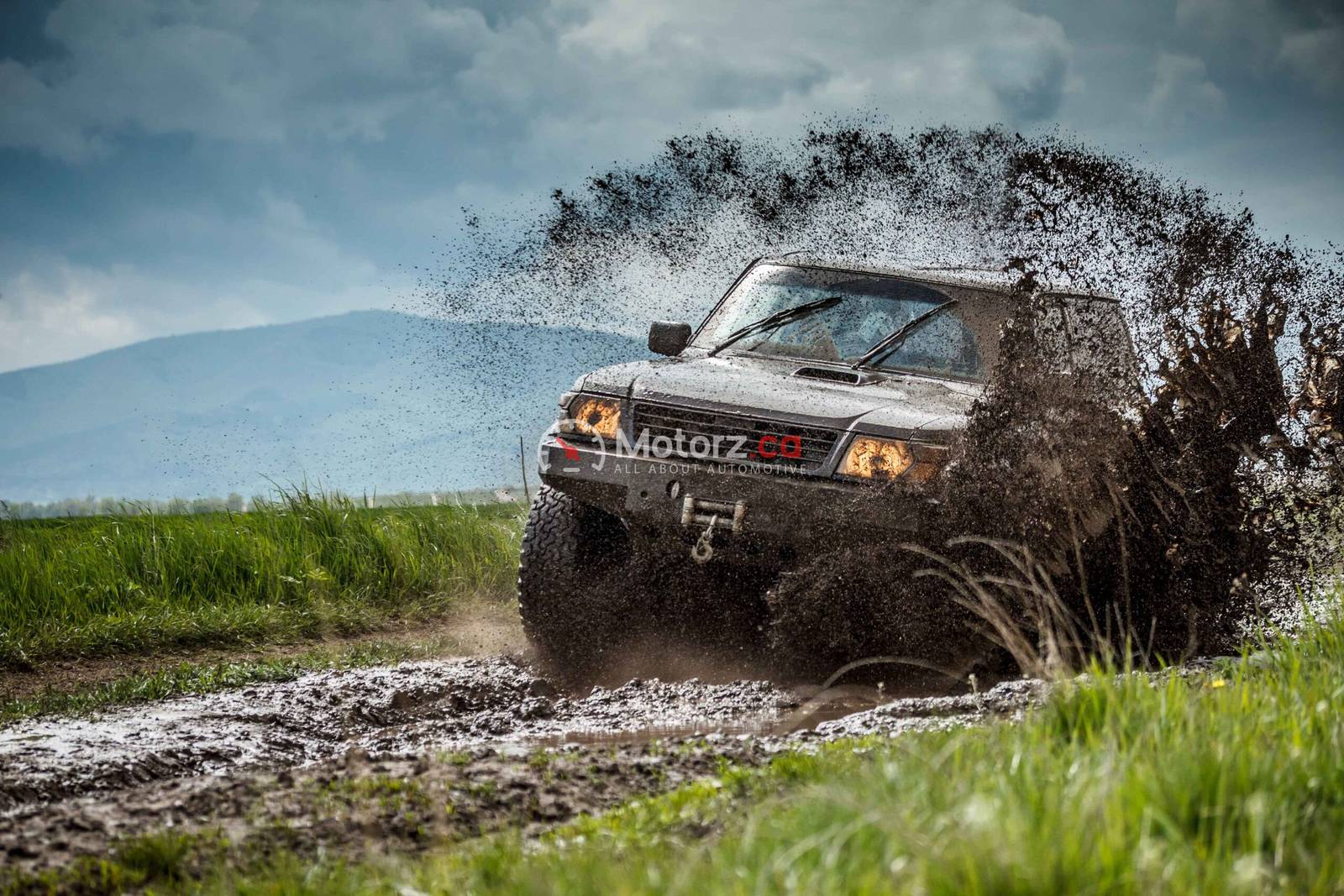
Flamboro Speedway & Sunset Speedway: These short Motorsports Photography offer a different kind of thrill. The close-quarters racing and the dirt and dust flying up from the cars provide a gritty, action-packed visual that is a motorsports photographer’s dream.
The Art of the Narrative: Telling a Story with Your Photos
A truly great motorsports photograph is more than just a car going fast. It tells a story.
Beyond the Track: Capturing the Atmosphere
The Paddock: The pits and paddock are a hive of activity. Capture the mechanics working on the cars, the drivers preparing for their race, and the emotion of the moment—the concentration, the relief after a good lap, the frustration after a bad one.
The Fans: The crowd is a huge part of the Motorsports Photography experience. A shot of a fan with their face painted or a kid excitedly watching the cars go by can add a human element and a deeper meaning to your images.
Golden Hour and Night Racing
Golden Hour: The hour after sunrise and before sunset provides soft, warm, and beautiful light that can transform a good photo into a great one. The low sun creates long shadows and brings out the vibrant colours of the cars.
Night Racing: This offers a completely different challenge and a new level of creativity. Use a tripod and a slow shutter speed to capture the streaking taillights of the cars and the bright brake rotors glowing in the dark.