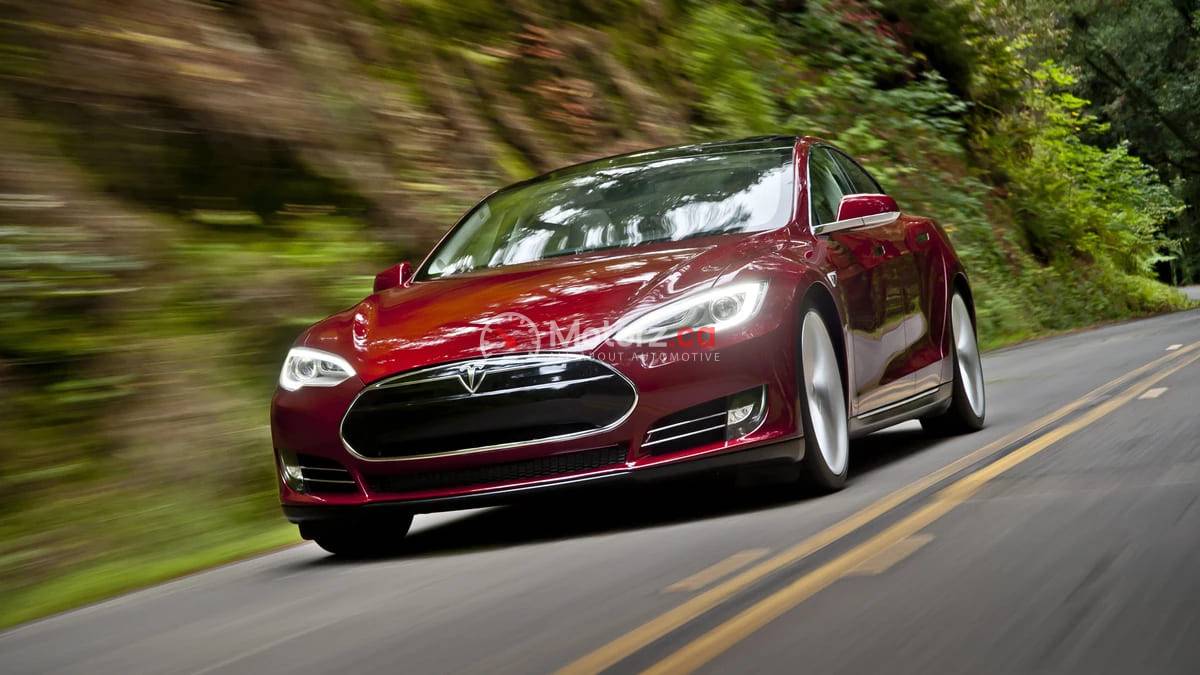
Imagine pulling into your Tesla Under Scrutiny, foot hovering over the brake, when suddenly your car surges forward with the full, silent force of an electric motor. This scenario is the basis of a high-stakes petition currently under review by the National Highway Traffic Safety Administration (NHTSA). The agency is looking into allegations of Sudden Unintended Acceleration (SUA) involving hundreds of thousands of Tesla Model S, Model X, Model 3, and Model Y vehicles.
As we move through 2026, the intersection of advanced software and vehicle safety has never been more scrutinized. For Tesla, a brand built on the promise of the most advanced automotive technology on the planet, these allegations strike at the heart of consumer trust. Is this a sophisticated software glitch, a hardware failure, or a recurring case of “pedal misapplication”?
In this deep dive, we explore the details of the NHTSA petition, the technical theories behind the alleged acceleration, and what Tesla owners need to know to stay safe while the investigation unfolds.
The Tesla Under Scrutiny: What is Being Investigated?
The current investigation was sparked by a formal petition submitted to the NHTSA by an independent researcher. Unlike previous complaints that the agency dismissed as “driver error,” this new filing introduces technical theories that suggest the car’s electronics might be at fault.
The Scope of the Investigation
The review covers nearly every major Tesla model produced over the last decade. The petition alleges that a specific flaw in the vehicle’s low-voltage system (the 12-volt system that powers the car’s computers) could cause the drive motor to interpret a signal as a request for full acceleration, even if the driver is not touching the pedal.
The “Defect Petition” Process
When the NHTSA receives a petition of this magnitude, it enters a “Review” phase. The agency gathers data from consumer complaints, crash reports, and Tesla’s own telemetry. If they find enough evidence of a mechanical or software flaw, the review will be upgraded to a Preliminary Evaluation, which is the first formal step toward a mandatory safety recall.
The Technical Debate: Software vs. Human Error
The history of unintended acceleration is almost as old as the automobile itself. From the Audi 5000 in the 1980s to the massive Toyota recalls in the 2010s, the debate usually boils down to two possibilities: a ghost in the machine or a foot in the wrong place.
The Theory of “Pedal Misapplication”
In a 2021 study, the NHTSA reviewed 246 accidents involving alleged Tesla unintended acceleration. Their conclusion at the time was definitive: every single incident was caused by the driver accidentally pressing the accelerator instead of the brake.
The “One-Pedal Driving” Factor: Some experts argue that Tesla’s aggressive regenerative braking (where the car slows down significantly just by lifting off the gas) changes the driver’s muscle memory, making it more likely for a person to forget which pedal their foot is hovering over in a panic situation.
The New Theory: Inverter Surges
The 2026 petition introduces a more complex electronic theory. It suggests that noise or “spikes” in the 12-volt power steering or braking system can create a false signal in the motor’s inverter. Because Teslas are “drive-by-wire”—meaning there is no physical cable connecting the pedal to the motor—the car relies entirely on electrical signals. If those signals are corrupted, the motor could theoretically surge without driver input.
How Tesla Responds to Safety Allegations
Tesla’s stance on unintended acceleration has remained consistent: their vehicles are designed to prioritize the brake over the accelerator.
The “Brake Override” System
Every Tesla is equipped with a safety feature that cuts motor power if both the brake and the accelerator are pressed at the same time. Tesla argues that this hardware-level safeguard makes it physically impossible for the car to “overpower” the brakes, even if a software glitch requested full throttle.
Data Logs: The “Black Box”
One of Tesla’s greatest defenses is its data logging. Every input—pedal position, steering angle, and brake pressure—is recorded and uploaded to the cloud. In almost every reported case of unintended acceleration to date, Tesla has produced data logs showing that the accelerator was pressed to 100 percent while the brake was never touched.
Helpful Tips for Tesla Owners During the Review
While the NHTSA continues its review, Tesla owners can take proactive steps to ensure their safety and build confidence in their vehicle’s operation.
Check Your Floor Mats: Ensure you are using official Tesla floor mats or high-quality aftermarket mats that are properly clipped into place. A loose mat can “wedge” the accelerator pedal down or prevent the brake from being fully depressed.
Review Obstacle-Aware Acceleration: Make sure this safety feature is turned on in your “Autopilot” settings. It is designed to automatically limit motor torque if the car detects an object (like a garage wall or another car) directly in its path at low speeds.
Practice Panic Braking: In an empty parking lot, get a feel for how the car reacts when you slam on the brakes. Understanding that the brakes will always win against the motor can help prevent panic if you ever experience a surge.
Dashcam and Sentry Mode: Ensure your Dashcam is active with a high-speed USB drive. In the event of an incident, video footage of your footwell (if you have an internal camera) or the car’s surroundings can provide vital evidence for an investigation.
What Happens Next? Potential Outcomes of the Review
The NHTSA review is not a recall—yet. There are three primary ways this investigation could end in late 2026 or 2027:
Denial of Petition: The agency may find that, once again, the evidence points toward driver error. The investigation would be closed with no further action.
Mandatory Software Update: If the NHTSA finds a specific software edge-case that leads to acceleration, they may mandate an Over-the-Air (OTA) update to increase the sensitivity of the brake-override system.
Physical Recall: In the least likely but most severe scenario, if a hardware defect in the inverters or pedals is found, Tesla would be forced to bring millions of cars into service centers for physical parts replacement.
Safety in the Age of Drive-by-Wire
The NHTSA review into Tesla unintended acceleration is a reminder that as our cars become more like “computers on wheels,” the standards for electronic safety must be impeccable. Whether the culprit is human error or a deep-seated software bug, the result of this investigation will shape the future of electric vehicle regulations for years to come.
For now, Tesla owners should remain calm but vigilant. By understanding your car’s safety features and ensuring your floor mats are secure, you can continue to enjoy the benefits of electric driving while the experts do their work.