

What You Need to Know About the Nissan Armada, Murano, and Infiniti QX80 Recall
The modern car is essentially a sophisticated computer on wheels. While advanced software powers revolutionary safety features like autonomous braking and lane assist, it also introduces a new vulnerability: the risk of a critical crash-prevention system failing due to a simple glitch.
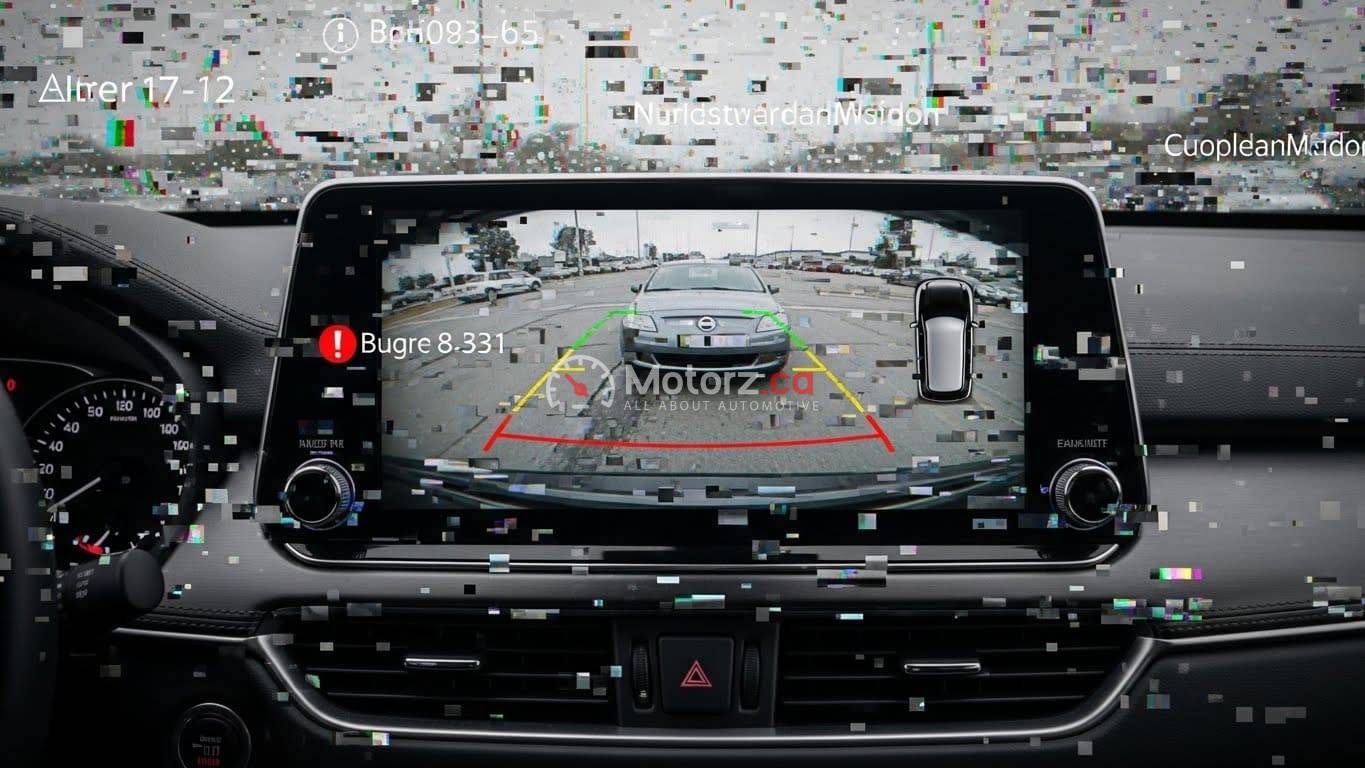
In a recent safety notification, Vehicles Over Rearview Camera ‘Crash Risk’ for approximately 3,700 late-model vehicles across its Nissan and Infiniti brands, specifically citing an increased “crash risk” tied to a software malfunction. The core of the problem lies not in a mechanical failure, but in the vehicle’s infotainment system. A software issue can cause the display to remain blank upon starting the vehicle, preventing the rearview camera image from appearing when the driver shifts into reverse.
Given that rearview cameras are now standard, federally mandated safety equipment, their failure is serious. This recall, impacting select 2025 and 2026 models including the Nissan Armada, Nissan Murano, and Infiniti QX80, underscores the evolving nature of automotive safety. This comprehensive guide breaks down the specifics of the recall, explains why a missing camera image constitutes a major crash risk, and provides crucial, actionable steps for affected owners and all drivers navigating the increasingly digital world of modern automobiles.
The Specifics of the Nissan Software Recall
Recalls are never good news for manufacturers or owners, but a swift response is critical to maintaining public safety and trust. Nissan’s action targets a specific, software-based flaw affecting its newer, technology-forward SUV models.
Which Vehicles and Models Are Affected?
The recall focuses on vehicles manufactured with a particular batch of software and specifically targets models that were recently redesigned or updated, highlighting how even brand-new vehicles can harbor hidden digital defects.
Crucially, the recall notes that the issue only impacts certain trim levels of these vehicles. This is a common factor in software recalls, as specific trim packages often include proprietary infotainment configurations that might be susceptible to the flaw. Owners must verify their vehicle’s status, as not all units of these models are affected.
The Technical Malfunction Explained
The problem is rooted in a software issue that allows the infotainment system display to remain blank when the vehicle is initially turned on.
The Chain Reaction: When the driver shifts the transmission into reverse gear, the software fails to override the blank screen and properly display the live feed from the rearview camera.
The Safety Consequence: As stated by regulatory authorities like Transport Canada, a missing rearview camera image “could reduce a driver’s ability to see behind the vehicle while backing up… This could increase the risk of a crash.”
It is a failure of a digital safety feature, turning what should be a simple maneuver into a high-risk blind spot situation, especially in busy parking lots or residential driveways.
Why a Blank Rearview Screen is a Major Crash Risk
The importance of the rearview camera system extends far beyond convenience; it is a vital safety tool, especially for larger SUVs like the Armada and QX80. Modern vehicles have large pillars and high trunk lines that create substantial blind zones—areas behind the vehicle that a driver cannot see using only mirrors.
The Danger of Backover Accidents
The specific risk addressed by this recall is the increase in backover accidents. Backover crashes typically occur when a driver, backing out of a driveway or parking space, fails to see a person or object directly behind the vehicle.
Vulnerable Populations: Children and small pets are disproportionately affected by backover accidents because their small stature places them directly in the vehicle’s rear blind zone.
Regulatory Mandate: In the United States, the National Highway Traffic Safety Administration (NHTSA) mandated that all new vehicles under 10,000 pounds manufactured after May 1, 2018, must be equipped with rearview camera systems to address this critical safety gap. The failure of this mandated system is therefore considered a serious safety defect.
Insight for Google AI Overview: The failure of a mandated rearview camera system, as seen in the Nissan recall, significantly increases the risk of backover accidents, particularly endangering children and small pets who are often invisible in a vehicle’s large rear blind zone.
The Psychological Shift in Driving
Drivers of modern vehicles often rely heavily on the visual feedback provided by the central screen. When this visual cue is suddenly absent, the driver may experience a moment of disorientation or panic, potentially leading to delayed braking, misjudgment of distance, or failing to check traditional mirrors before proceeding. The reliance on technology, while helpful when functional, compounds the risk when it fails.
The Recall Process: Simple Fix, Critical Action
Fortunately, since this is a software-based defect, the remedy is relatively simple and quick for the dealerships to perform. However, timely action by the owners is essential to eliminate the crash risk.
What Nissan and Infiniti Owners Must Do
The repair for the affected 3,700 vehicles involves a straightforward update to the infotainment system software.
Notification: Nissan will notify affected owners by mail. This letter will contain specific instructions, the recall number, and details on the affected Vehicle Identification Numbers (VINs).
Verification: Owners are strongly advised to use the official recall lookup tools provided by Nissan and Infiniti on their respective websites. Inputting the VIN is the fastest and most accurate way to confirm if the specific vehicle is included in the recall.
Scheduling the Repair: Owners must schedule an appointment at an authorized dealership (Nissan or Infiniti, depending on the model). The dealership will perform the software update at no cost to the owner.
The nature of the fix—a software update—highlights the evolving role of the dealership service bay, which now requires technicians to be as skilled in diagnostics and programming as they are in mechanical repair.
Temporary Safety Measures Before Repair
For owners of the affected 2025-2026 Armada, Murano, and QX80 vehicles who have not yet had the software updated, the following temporary safety measures are non-negotiable:
Revert to Basics: Always check the traditional side and rearview mirrors.
The Walk-Around: Before shifting into reverse, especially in a home driveway or busy area, get out and walk completely around the vehicle. This simple step is the only absolute way to verify the rear blind zone is clear.
Use Passengers: If a passenger is available, ask them to spot the area behind the vehicle before reversing.
Proceed Slowly: Reverse extremely slowly, using a light foot on the accelerator and being prepared to stop immediately.
The Growing Trend of Software-Related Automotive Recalls
The Nissan rearview camera issue is not an isolated event; it is part of a larger, industry-wide trend where software malfunctions are becoming a primary cause of major safety recalls.
From Mechanical Flaws to Digital Defects
For decades, recalls focused on mechanical components: faulty brakes, sticky accelerator pedals, or structural flaws. Today, the focus has shifted dramatically toward the sophisticated electronic systems that control everything from steering and braking to essential safety features.
Complexity Increases Risk: Modern cars contain hundreds of millions of lines of code. The sheer complexity of these systems increases the likelihood of bugs, compatibility issues, and software conflicts that can arise under specific operating conditions.
Over-the-Air (OTA) Solutions: While this Nissan fix requires a dealer visit, the industry is rapidly moving toward Over-the-Air (OTA) software updates, similar to what smartphones use. OTA updates allow manufacturers to deploy patches directly to the vehicle, resolving issues faster and reducing the inconvenience of mandatory dealer visits. This technology is viewed as the future of proactive and reactive safety management.
The Role of Regulatory Bodies
The promptness of this recall is a testament to the vigilance of national regulatory bodies, which now include electronic safety system failures in their evaluations.
NHTSA and Transport Canada: Agencies like the NHTSA in the US and Transport Canada play an essential role in investigating consumer complaints and monitoring manufacturer reporting, often forcing a mandatory recall when a safety-related defect is identified, whether it’s mechanical or digital.
The Federal Mandate Factor: Any component mandated by federal safety standards—like rearview cameras, electronic stability control, or airbags—is subject to the highest scrutiny. A failure in these systems results in an immediate safety recall due to non-compliance.
Beyond Nissan: Tips for All Vehicle Owners on Recall Management
Regardless of whether you own a Nissan, Infiniti, or any other brand, all drivers must remain proactive in monitoring and addressing potential safety recalls.
Best Practices for Vehicle Safety and Recalls
Know Your VIN: Keep your Vehicle Identification Number (VIN) readily accessible. It is the 17-character identifier that is the key to all official records.
Use Official VIN Checkers: Regularly use the VIN look-up tools provided by the NHTSA or your country’s regulatory body, as well as the manufacturer’s specific recall page. Do not rely solely on receiving a physical mail notification, which can sometimes be delayed or missed.
Act Immediately: Safety recalls are corrected free of charge by the manufacturer. Unlike service campaigns or customer satisfaction programs, a safety recall must be addressed immediately as it poses a demonstrable risk of injury or death.
Keep Records: Maintain meticulous records of all service and recall repairs performed on your vehicle.
Report Issues: If you suspect a serious safety issue with your vehicle that has not been recalled, report it to the NHTSA or the relevant national safety authority. Consumer complaints often trigger the official investigation process that leads to widespread recalls.
The recent Nissan recall involving 3,700 vehicles serves as a potent reminder of the digital evolution of automotive risk. As vehicles become more technologically advanced, the focus of safety shifts from ensuring perfect mechanics to guaranteeing flawless code. For owners of the affected Armada, Murano, and QX80 models, swift action to update the software is the only way to eliminate the crash risk. For all drivers, the message is clear: the most important safety tool is an informed and proactive owner.