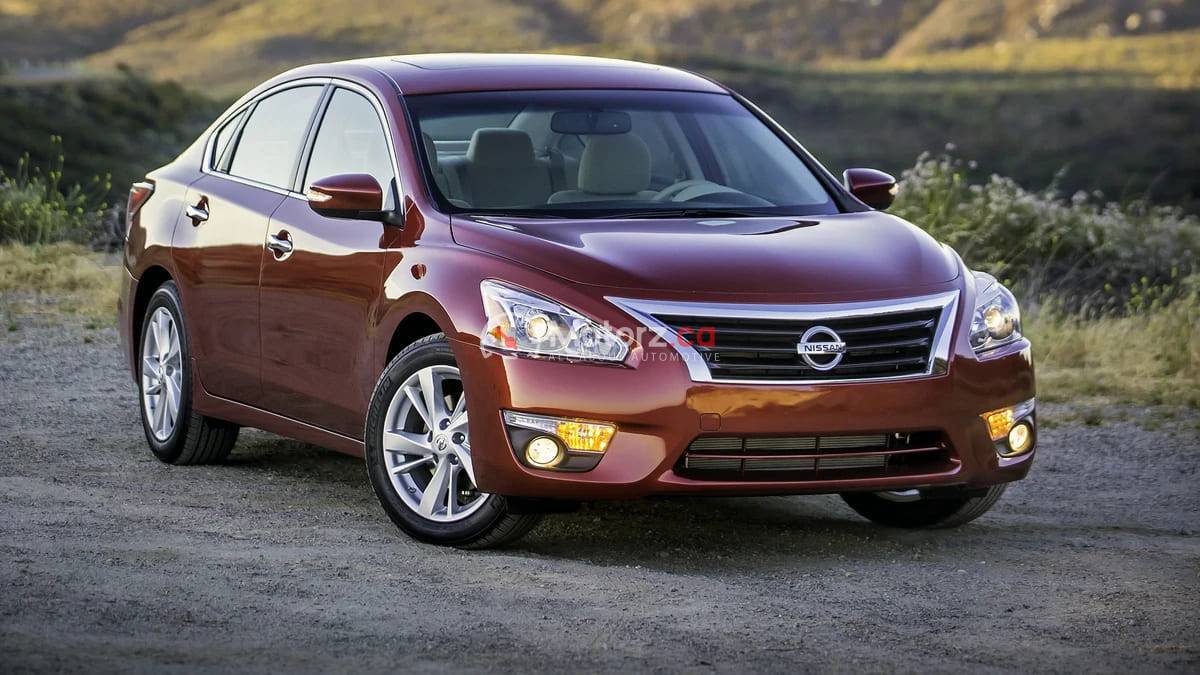



The Nissan Altima Hood Latch Recall has long been a favorite for Canadian and American drivers seeking a stylish, fuel-efficient sedan. However, a persistent and dangerous safety issue has resurfaced for nearly 1.8 million older Altima models. The problem is as simple as it is terrifying: the hood can suddenly fly open while you are driving at high speeds.
This isn’t a new story, but it is one that has taken on a new urgency in 2026. After years of multiple recall attempts, many drivers are still operating vehicles with a “secondary hood latch” that is prone to severe corrosion. If you have ever accidentally pulled your hood release instead of your fuel door lever—a common mistake in these models—you could be one vibration away from a shattered windshield and total loss of visibility.
In this comprehensive guide, we will break down the 2026 status of the Nissan Altima hood latch recall, explain the mechanics of the failure, and provide the exact steps you need to take to protect yourself and your passengers.
The Scope of the Problem: Nissan Altima Hood Latch Recall at Risk
The sheer scale of this recall is what makes it so Canadian and American drivers. While many automotive recalls affect a few thousand cars, this campaign covers almost the entire production run of a specific Altima generation.
Affected Model Years
The primary focus of this safety campaign is the 2013 through 2018 Nissan Altima.
The “L33” Generation: These model years represent the fifth generation of the Altima.
Global Impact: While 1.8 million vehicles are affected in the United States, approximately 49,000 units are involved in Canada.
Repeated Offenders: If you had your hood latch “fixed” or lubricated in 2014, 2015, or 2016, your car is likely still part of the recall. Nissan has admitted that previous “repairs”—which often just involved cleaning and greasing the latch—were not permanent solutions.
Why This Recall Is Different in 2026
In earlier years, the solution was often a “clean and inspect” protocol. In 2026, safety regulators and Nissan have shifted toward a full replacement policy. If your car is on the list, the dealership is now required to replace the entire hood lock assembly with a redesigned part that features superior anti-corrosion coating.
The Science of Failure: Why the Hood Flies Open
To understand the danger, you have to understand how your car stays closed. Your hood has two lines of defense: the Primary Latch (controlled by the lever in your cabin) and the Secondary Latch (the safety hook you manually move from the front of the car).
The Corrosion Catalyst
The issue in the 2013–2018 Altima is a “supplier quality issue.” The paint on the secondary latch is prone to flaking off. Once the bare metal is exposed to the elements—especially the salt and slush of Canadian and Northern U.S. winters—it begins to rust.
The Binding Effect: The rust creates friction, causing the secondary latch to get “stuck” in the open position.
The Trap: When you close your hood, you assume the secondary latch has clicked into place. But because of the corrosion, it stays retracted.
The “Inadvertent Release” Scenario
The design of the Altima’s interior puts the hood release lever very close to the fuel door release. Many drivers accidentally pop their hood while at a gas station.
The Hazard: If you accidentally pop the primary latch and the secondary latch is stuck open due to rust, there is nothing holding your hood down. Once you hit highway speeds, the wind gets under the front edge and flips the hood up with enough force to crush your roof and shatter your windshield.
Warning Signs: Is Your Hood Latch Failing?
You don’t have to wait for a disaster to know if your Altima is at risk. There are several physical warning signs that your secondary latch is beginning to bind:
Stiff Interior Lever: If you pull the hood release and it feels unusually hard to move, or if it doesn’t “snap” back into place, the cable or the latch is likely corroded.
The “Gap” Test: Look at the front of your car when the hood is closed. If one corner of the hood seems to be sitting slightly higher than the other, the latch may not be fully engaged.
Visual Rust: Open your hood and look at the secondary hook (the part you move with your fingers). If you see orange rust or flaking black paint, the part is failing.
Manual Movement: With the hood open, try to move the secondary latch with your finger. It should move effortlessly and snap back instantly. If it is slow to return or gets stuck, it is a safety hazard.
How to Check Your VIN and Get the Free Fix
As with all safety recalls, the repair for this issue is 100 percent free to the owner. You do not have to be the original owner, and your car does not need to be under warranty.
Step 1: Find Your VIN
Your 17-digit Vehicle Identification Number is located:
On the driver’s side dashboard (visible through the glass).
On your vehicle’s registration or insurance card.
On the sticker inside the driver’s side door frame.
Step 2: Search the Official Databases
Don’t guess—check.
Nissan Canada: Visit nissan.ca/owners/recalls.
NHTSA: Visit nhtsa.gov/recalls.
Step 3: Schedule Your Appointment
If your VIN shows an “Open Recall,” call your local Nissan dealership. Because of the volume of 1.8 million cars, parts can sometimes be on backorder. When you call, specifically mention Recall Campaign PC426 (or the most current code provided for your model year).
Staying Safe: Interim Tips for Altima Drivers
If you are waiting for parts to arrive or haven’t made it to the dealer yet, follow these protocols to prevent a highway accident:
The Double-Check: Every time you finish a trip to the gas station or a grocery run, physically push down on the front of your hood to ensure it is “double-clicked.”
Avoid the “Pop”: Be extremely mindful when reaching for your fuel door lever.
DIY Lubrication (Temporary Only): You can spray a high-quality white lithium grease or penetrant (like WD-40 Specialist) onto the secondary latch joints to keep them moving, but this is not a fix. It only buys you time until the part is replaced.
Speed Awareness: If you suspect your hood is not properly latched, do not drive on the highway. High-speed wind pressure is the primary trigger for the hood flying open.
A Safety Priority for 2026
The Nissan Altima is a fantastic car, but 1.8 million “older” models carry a defect that can lead to catastrophic accidents. By 2026, there is no excuse for driving with a corroded hood latch. Nissan is prepared to replace these parts for free to ensure your visibility—and your safety—remains intact.
Take five minutes today to check your VIN. It is the difference between a routine commute and a life-changing accident.