
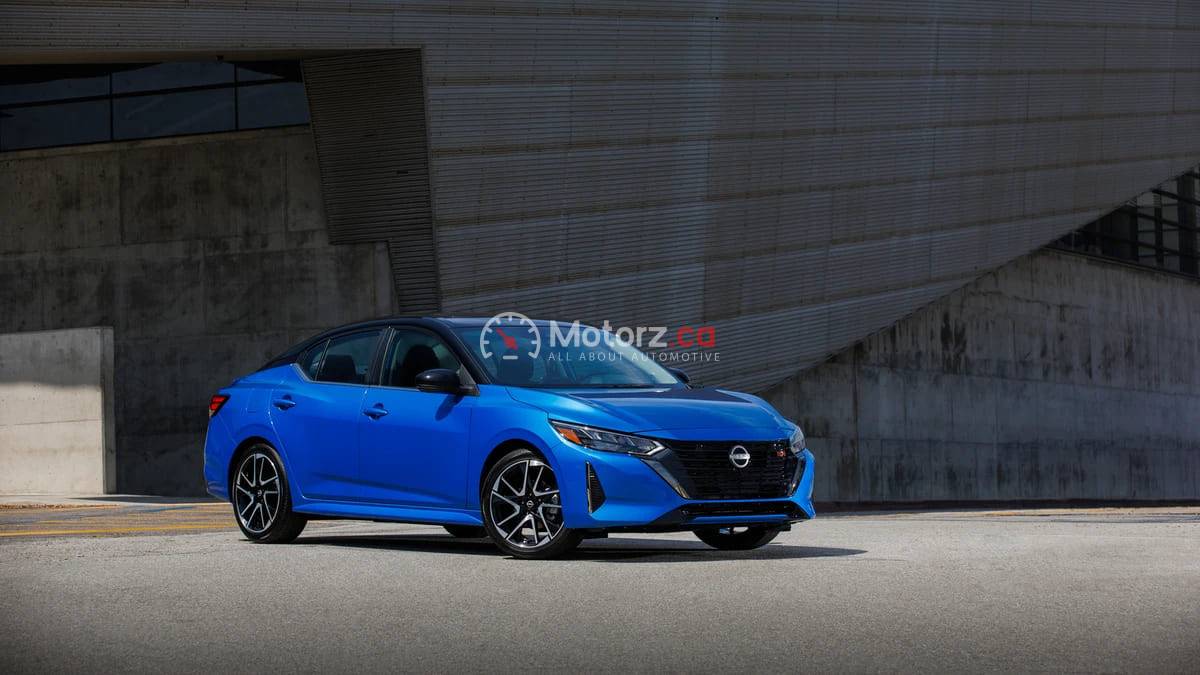

The Dangerous Air Bubbles is the primary safety barrier and visibility pane of any vehicle, contributing significantly to the structural integrity and the driver’s ability to navigate safely. However, a widespread manufacturing defect has prompted Nissan to recall nearly 42,000 units of its popular 2025 Sentra sedan across the United States (and a similar number of 882 in Canada) due to defective windshield glass containing visible air bubbles.
These bubbles—a result of a flaw in the lamination process—can compromise the driver’s clear line of sight, potentially violating federal safety standards and increasing the risk of a crash. This recall, officially filed with the National Highway Traffic Safety Administration (NHTSA Recall No. 25V807), highlights a crucial quality control failure at the supplier level.
This detailed guide explains the precise manufacturing defect, identifies the affected vehicle production window, and provides all necessary steps for 2025 Nissan Sentra owners to verify their vehicle’s status and schedule the mandatory, free windshield replacement.
The Core Defect: Understanding Dangerous Air Bubbles
The issue behind the Nissan Sentra recall is not simply a cosmetic flaw but a structural failure within the multi-layered design of the safety glass.
The Science of Delamination and Air Bubbles
Modern automotive windshields are made from laminated safety glass, consisting of two layers of glass bonded together by a central layer of clear, high-strength Polyvinyl Butyral (PVB) film. This PVB layer is what prevents the glass from shattering into sharp fragments upon impact.
The Defect: The recall report indicates that the air bubbles are present within the laminate layer (the PVB film). This issue is known as delamination, where the glass layers separate from the PVB film.
The Root Cause: Investigation traced the problem to a supplier production issue, specifically misaligned locator pins within the glass molds during assembly. This misalignment created uneven pressure and prevented the proper evacuation of air during the lamination process. Foreign particles trapped between the layers also contributed to the separation.
Safety Standard Violation: The presence of air bubbles in the driver’s field of view directly compromises the vehicle’s compliance with Federal Motor Vehicle Safety Standard (FMVSS) 205, Glazing Materials, which restricts the size and location of imperfections in the windshield. Bubbles that appear more than 13 millimeters (about half an inch) from the outer edge are generally considered non-compliant.
Identifying the Affected Nissan Sentra Population
The recall targets vehicles produced within a specific, concentrated window when the supplier issue was active.
Affected Model Year: The recall exclusively impacts certain 2025 Nissan Sentra sedan models.
Production Dates: The affected vehicles were built between July 5, 2025, and October 17, 2025.
Total Units: The recall encompasses 41,797 vehicles in the U.S. market, though Nissan estimates only a small percentage (around 2.2 percent) actually have the defect that violates the safety standard. However, all vehicles produced during this period are considered potentially affected and require mandatory inspection.
The Serious Safety Risks of a Bubbled Windshield
While a small air bubble may seem like a minor cosmetic nuisance, its presence in the windshield can pose multiple, severe safety hazards that escalate the risk of a crash.
Impaired Driver Visibility
The most immediate danger of the windshield defect is the obscuring of the driver’s view, particularly when the bubbles are located within the critical viewing area.
Distortion and Glare: The bubbles act like tiny lenses, which can cause significant visual distortion, especially when sunlight hits them directly or when driving at night with oncoming headlights. This distortion can make it difficult for the driver to accurately judge distances, speed, and the position of other objects or pedestrians on the road.
Blind Spots: Any defect that compromises visibility in the driver’s main field of view—particularly in the upper, lower, or peripheral areas—creates critical temporary blind spots, directly increasing the chance of an accident.
Compromised Structural Integrity
The integrity of the windshield is far more critical than many drivers realize, especially during a collision.
Rollover Protection: The windshield provides up to 45 percent of the vehicle’s structural strength in a front-end crash and up to 60 percent in a rollover event. The delamination (separation of glass and PVB) weakens this fundamental structural role.
Airbag Backstop: The windshield acts as the backstop for the passenger-side airbag. If the windshield is compromised, it may not withstand the force of the deploying airbag, causing the airbag to deploy improperly or fail to protect the passenger effectively. A structurally compromised windshield increases the risk of severe injury in a crash.
Crack Propagation: A bubble represents a point of weakness. Over time, or due to extreme temperature fluctuations (common in winter climates), these weak points can turn into full-blown stress cracks, leading to the rapid and expansive failure of the glass.
Owner Action Plan: Getting the Free Repair
Nissan is taking proactive steps to remedy the windshield defect at no cost to the owner. This process requires immediate owner attention to verify the VIN and schedule the repair.
Verifying Your Sentra’s Recall Status
Owners should not wait for the official notification letter, which is scheduled to be mailed in January 2026.
Locate Your VIN: Find your Vehicle Identification Number (VIN) on your dashboard (driver’s side), vehicle title, or insurance card.
Use the NHTSA Tool: Go directly to the NHTSA website’s VIN lookup tool (or the official Nissan USA/Canada recall site) and enter your VIN. The recall information (NHTSA ID: 25V807) should already be updated for affected vehicles.
Contact Your Dealer: Once confirmed, immediately contact an authorized Nissan dealership to schedule the inspection and potential replacement. Inform them that you are calling about the Sentra Windshield Bubble Recall (Nissan internal recall number PMA58).
The Inspection and Replacement Procedure
The repair process for this hardware defect involves a thorough dealer inspection followed by replacement only if necessary.
Inspection: The dealer technician will visually inspect the windshield for the presence of air bubbles, paying specific attention to their size and proximity to the edge of the glass to determine if they violate FMVSS 205 standards.
The Remedy: If the defect is found, the windshield will be removed and replaced with a new, certified windshield manufactured using the corrected supplier process.
Repair Time: Nissan estimates the complete repair (inspection and, if necessary, replacement) should take approximately two-and-a-half hours. The entire procedure will be performed entirely at NO COST to the 2025 Sentra owner.
Important Note: A high-quality windshield replacement is crucial. Ensure the dealer uses Original Equipment Manufacturer (OEM)-quality glass and performs proper Advanced Driver-Assistance Systems (ADAS) calibration if your vehicle is equipped with features like Intelligent Forward Collision Warning, as the forward-facing camera is often mounted behind the glass and its calibration depends on the precise placement of the new windshield.
Beyond the Recall: Understanding Windshield Safety and Maintenance
The Nissan Sentra recall serves as a valuable reminder of the importance of the automotive glass and its central role in vehicle safety.
Why Prompt Windshield Repair is Always Critical
Even if your vehicle is not affected by this recall, any damage to your windshield requires immediate attention.
Preserve Structural Integrity: Address chips and cracks immediately. Small chips (dime-sized or smaller) can often be repaired with resin, preventing the damage from spreading and compromising the structural safety of the entire glass unit.
Protect ADAS Sensors: Modern cars rely on the windshield for complex safety functions. Features like Automatic Emergency Braking (AEB) and Lane Departure Warning (LDW) use cameras and sensors housed directly behind the glass. A crack or distortion (like a bubble) can corrupt the data feed, leading to system failure or false alarms.
The Supplier Quality Control Focus
The root cause of this recall—misaligned locator pins in the supplier’s glass molds—highlights a growing trend of recalls stemming from upstream manufacturing failures as automakers rely on a smaller, globalized supply chain for complex components.
Automaker Accountability: Nissan’s swift action to issue the voluntary recall and provide a free fix demonstrates the automaker’s commitment to safety and compliance with federal standards, even when the defect originates from a third-party supplier. This proactive approach is essential for maintaining consumer trust in mass-market sedans like the Sentra.
The Future of Glass Technology: As vehicles integrate more head-up displays (HUD) and internal cameras directly into the windshield, the tolerance for manufacturing defects in the glass will become zero. This recall is a signal that quality control standards for glazing materials must continue to rise to meet the technological demands of future vehicle safety systems.
Ensuring Safe Driving Visibility
The recall of nearly 42,000 2025 Nissan Sentra sedans due to defective windshields is a serious safety matter. While the air bubbles may appear minor, the potential for reduced driver visibility and compromised structural integrity necessitates immediate corrective action. Owners should prioritize checking their VIN immediately and scheduling the necessary inspection and replacement at a Nissan dealership. By ensuring the windshield meets all federal safety standards, drivers can restore their full line of sight and maintain the intended safety profile of their new vehicle.