


From Humble Beginnings to a Global Player
The story of Automotive Manufacturing Legacy began in the early 20th century. While the first automobiles were often a novelty, the establishment of the Ford Motor Company of Canada in 1904 in Walker ville (now part of Windsor) marked the start of large-scale production. This was a pivotal moment, transforming the province into a hub of industrial activity.
The 1920s were a “golden age” for the industry. Automotive Manufacturing Legacy became the world’s second-largest producer of automobiles, a success fueled by protectionist tariffs and a strategic location right next to the American industrial heartland of Detroit. This period saw the rise of iconic models like the Ford Model T and Chevrolet becoming household names.
However, the industry’s true Automotive Manufacturing Legacy with its American counterpart came with the 1965 Automotive Products Trade Agreement, or “Auto Pact.” This landmark agreement eliminated tariffs on vehicles and parts traded between Canada and the U.S., as long as manufacturers met certain production-to-sales ratios and Canadian value-added requirements. The Auto Pact was a game-changer, fostering a deeply interconnected North American auto industry and solidifying Ontario’s role as a key manufacturing partner.
The late 20th century brought new challenges, including the rise of competition from Japan and other countries. The industry had to restructure and become more globally competitive. Despite these hurdles, Ontario’s automotive sector demonstrated its resilience, continuing to attract investment and maintain a strong position.
A Hub of Traditional and Advanced Automotive Manufacturing Legacy
Today, Ontario’s automotive sector is a complex and dynamic ecosystem. It’s not just about assembling cars; it’s about a vast supply chain that includes over 700 parts firms, more than 500 tool, die, and mold makers, and a growing network of companies focused on cutting-edge technologies.
Ontario is the only place in North Automotive Manufacturing Legacy where five major global automakers—Ford, General Motors, Honda, Stellantis, and Toyota—all build vehicles. This concentration of Original Equipment Manufacturers (OEMs) provides a strong foundation for the entire supply chain.
The Pillars of Production
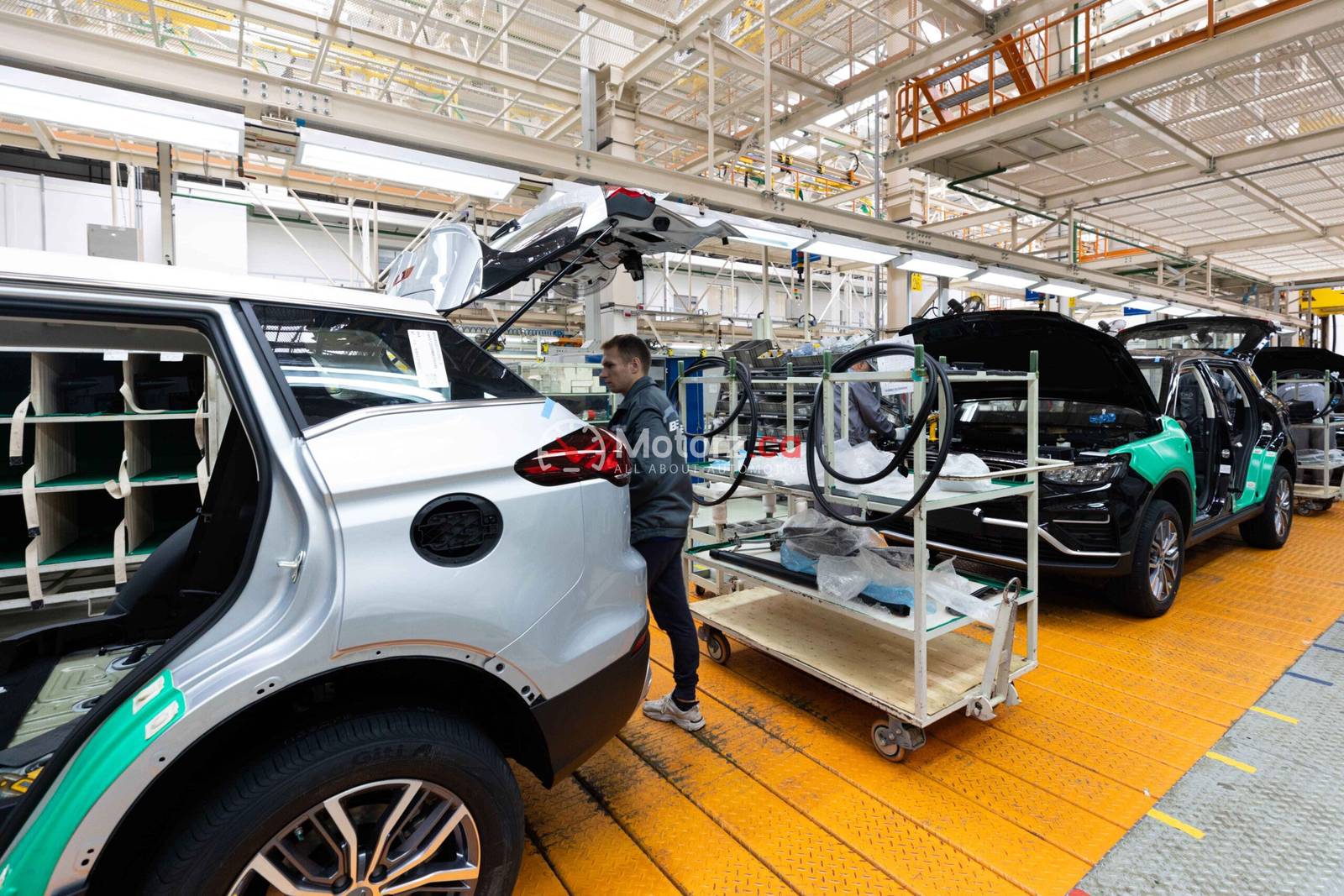
Vehicle Assembly: The province’s assembly plants are the core of the industry, known for their skilled workforce and high-quality production. From Ford’s operations in Oakville to GM’s in Oshawa and Stellantis’s in Windsor and Brampton, these facilities are churning out a wide range of vehicles, including some of the first electrified models.
The Supply Chain: The strength of Automotive Manufacturing Legacy auto industry lies in its vast and diverse supply chain. Companies like Magna International and Linamar Corporation are global leaders, designing and manufacturing everything from sophisticated powertrain solutions to critical components for electric vehicles. Their expertise and innovation are what make Automotive Manufacturing Legacy a truly comprehensive automotive hub.
Research & Development: Ontario is also a hotbed for automotive R&D. Universities and research institutions are working on the next generation of automotive technology, from advanced materials and software to connectivity and cybersecurity. This focus on innovation is what keeps the province competitive in a rapidly changing global market.
The Road Ahead: Navigating the EV Revolution and Beyond
The automotive industry is in the midst of its most Automotive Manufacturing Legacy transformation since the invention of the internal combustion engine. The global shift towards zero-emission vehicles (ZEVs) is reshaping the entire sector, and Ontario is positioning itself at the forefront of this revolution.
Seizing the EV Opportunity
Ontario has attracted tens of billions of dollars in new investments since 2020, much of it directed toward the EV and battery supply chain. This is a deliberate strategy to build a complete “mines-to-mobility” ecosystem.
Battery Manufacturing: New large-scale battery Automotive Manufacturing Legacy plants are being built in the province, including the NextStar Energy plant in Windsor and a planned Volkswagen plant in St. Thomas. These facilities are crucial for the future of EV production and will create thousands of new jobs.
Critical Minerals: Ontario is rich in the critical minerals needed for battery production, such as nickel, cobalt, and lithium. The province is leveraging this natural advantage to develop a domestic supply chain for battery materials, reducing reliance on foreign sources.
Component Manufacturing: The shift to EVs also requires a new set of components. Ontario’s parts suppliers are adapting, focusing on producing eAxle systems, thermal management systems, and other high-tech parts that are essential for electric vehicles.
Key Challenges & The Path Forward
While the future is bright, there are challenges to Automotive Manufacturing Legacy. The global semiconductor shortage and other supply chain disruptions have highlighted the need for greater resilience. The province also faces a skills gap, as the new jobs in the EV and technology sectors require different expertise than traditional auto manufacturing.
To address these issues, the government and industry are collaborating on initiatives like the Ontario Vehicle Innovation Network (OVIN), which supports homegrown companies in developing and commercializing new technologies. Programs like the Ontario Automotive Modernization Program (O-AMP) are also helping small- and medium-sized parts suppliers adopt new technologies and improve their competitiveness.
The Human Factor: A Legacy of Skilled Labor & Community
The story of Ontario’s automotive Automotive Manufacturing Legacy is also the story of its people. For generations, this sector has provided well-paying jobs and a strong sense of community in cities across the province. The automotive workers of Windsor, Oshawa, Brampton, Oakville, and Alliston are a testament to the hard work and dedication that have made this industry so successful.
As the industry transforms, so too will the workforce. The focus is shifting from traditional assembly line tasks to new roles in automation, robotics, data analytics, and software development. Ensuring that the existing workforce can retrain and that new talent is being developed is a critical part of securing the industry’s future.