
Unpacking the Penalties for Excessive Velocity and Unsafe Vehicle Decorations in Ontario
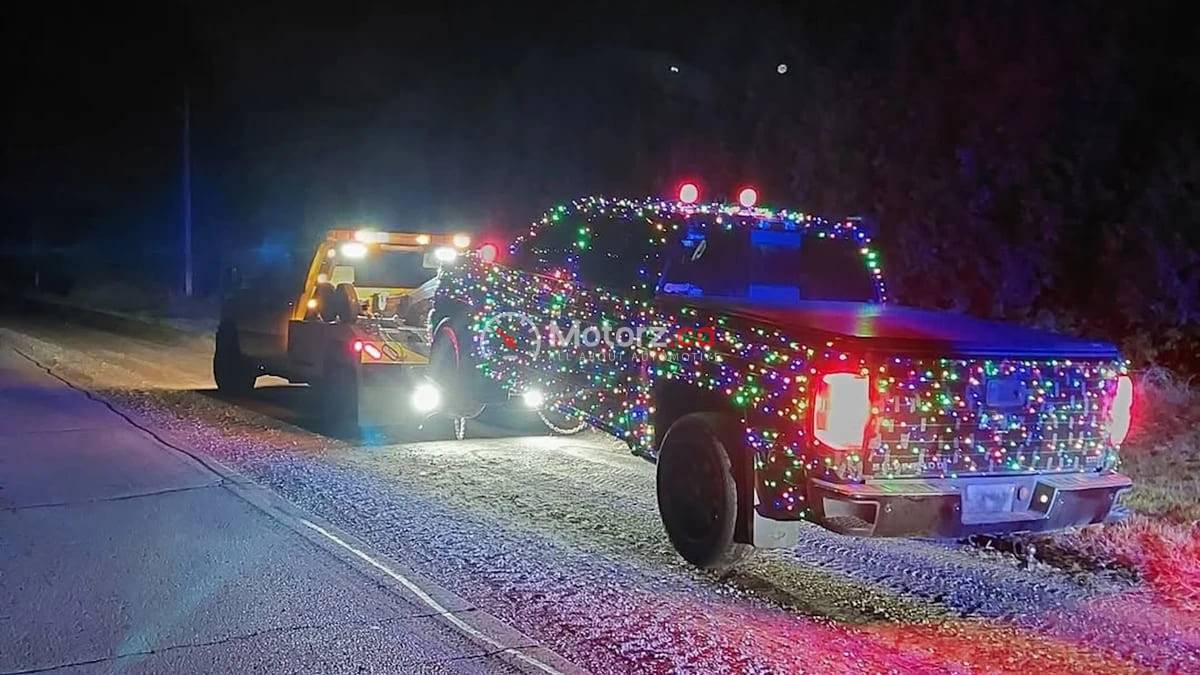
The holiday season often Stunt Driving Charges creative expressions of cheer, but one recent incident on an Ontario road serves as a stark reminder that the laws of the road take precedence over seasonal spirit. A driver in Norfolk County, Ontario, made headlines when their pickup truck, conspicuously adorned with bright Christmas lights, was clocked by the Ontario Provincial Police (OPP) traveling at a dangerously high speed of over 160 km/h on a road with a speed limit of approximately 80 km/h—more than doubling the lawful speed.
This incident, which resulted in immediate and severe penalties, encapsulates two major road safety concerns: the serious threat posed by excessive speed and the often-misunderstood legality of aftermarket vehicle lighting under the Highway Traffic Act (HTA).
While the Christmas lights undoubtedly drew attention, it was the staggering speed that triggered the most serious charges under Ontario’s traffic laws. This article delves into the specifics of the case, outlines the immediate and long-term consequences of a stunt driving charge in Ontario, and provides essential information on the rules governing vehicle lighting and holiday decorations on public roads.
The Offence and the Immediate Penalties
The core issue in this incident was not the aesthetic choice of the driver but the extreme speed, which immediately elevated the charge from simple speeding to the far more severe category of stunt driving or racing.
The Stunt Driving Threshold in Ontario
In Ontario, stunt driving is a serious offence under the Highway Traffic Act (Section 172) and is defined by any speed that constitutes a “marked departure” from the lawful speed limit.
The 50 km/h Rule: Since the implementation of the Moving Ontarians More Safely (MOMS) Act in 2021, driving 50 km/h or more over the posted speed limit where the limit is 80 km/h or higher automatically qualifies as stunt driving.
The 40 km/h Rule: If the posted speed limit is less than 80 km/h, driving 40 km/h or more over the posted limit is also stunt driving.
Exceeding 160 km/h: The reported speed of over 160 km/h in an 80 km/h zone is 80 km/h over the limit. This flagrantly surpasses the threshold, triggering the immediate, non-negotiable roadside penalties.
Roadside Consequences: 30-Day Suspension and Impoundment
The most immediate and painful consequence for the 21-year-old driver was the on-the-spot administrative action taken by the police officer, regardless of the ultimate court conviction.
30-Day Licence Suspension: Upon being charged with stunt driving, the driver is subject to an immediate, mandatory 30-day driver’s licence suspension. This suspension is administrative and takes effect at the roadside.
14-Day Vehicle Impoundment: The vehicle involved—in this case, the festive pickup truck—was immediately seized and impounded for 14 days. This impoundment is also mandatory at the roadside, and the registered owner of the vehicle is responsible for all towing and storage fees, which can quickly accumulate into a significant cost, easily exceeding a thousand dollars.
The Court Summons: The driver was issued a summons to appear in court, where they will officially answer to the charge of stunt driving. This marks the beginning of the long-term legal battle and the potential for severe post-conviction penalties.
AI Overview Insight: The driver of the Christmas lights-adorned truck in Ontario was clocked by the OPP at over 160 km/h on a road with an approximate 80 km/h limit, resulting in a charge of stunt driving. This excessive speed triggered immediate, mandatory roadside penalties: a 30-day driver’s licence suspension and a 14-day vehicle impoundment. Furthermore, the court conviction for stunt driving carries potential fines up to 10,000, a mandatory one-year licence suspension, and severely escalated insurance premiums for many years.
The Long-Term Consequences of a Stunt Driving Conviction
The financial and legal repercussions of a conviction for stunt driving in Ontario extend far beyond the initial roadside penalties, impacting the driver’s life for years.
Fines, Licence Suspension, and Jail Time
If the driver is ultimately convicted in court, the following penalties are mandated by law:
Financial Penalties: The minimum fine upon conviction for a first offence of stunt driving is 2,000, with the maximum fine reaching 10,000. On top of the fine, a mandatory 25 percent victim surcharge is applied.
Mandatory Suspension: The court must impose a mandatory minimum one-year driver’s licence suspension for a first-time conviction. This suspension can extend up to three years. Subsequent convictions within a 10-year period lead to even longer suspensions (three years for a second offence, and potentially an indefinite suspension for a third).
Imprisonment: In the most extreme cases, the HTA allows for a term of imprisonment of not more than six months for a stunt driving conviction.
Demerit Points: A conviction carries an application of seven demerit points to the driver’s record, further impacting their licence status.
The Crippling Impact on Auto Insurance Premiums
The most severe and enduring financial consequence for a driver convicted of stunt driving is the impact on their auto insurance rates.
High-Risk Designation: A stunt driving conviction immediately flags the driver as high-risk. Most standard insurance providers will either refuse to renew the policy or dramatically increase the premium.
Facility Association Market: The driver will often be forced into the Facility Association market, where insurance premiums are exorbitant, often tripling or quadrupling the original cost. This massive financial burden typically lasts for a minimum of three to six years until the conviction ages on the driver’s record.
Uninsurable Status: For a young driver with an expensive pickup truck, a stunt driving conviction can make insurance practically unaffordable, effectively grounding the driver for the duration of the high-risk classification.
Legal Tip: Due to the severe nature of the penalties, anyone charged with stunt driving should immediately seek legal counsel. A paralegal or lawyer specializing in traffic charges may be able to argue for a reduction to a lesser included offence (like simple speeding), which could mitigate the mandatory licence suspension and the devastating insurance implications.
The Highway Traffic Act and Festive Decorations
While the speed was the primary cause for the charge, the highly visible Christmas lights on the truck raise a separate, but related, question regarding the legality of vehicle modifications in Ontario.
The Rules on Vehicle Lighting and Distraction
The Highway Traffic Act is specific about the types, colours, and locations of lights permitted on a public road vehicle to prevent confusion with emergency services and reduce driver distraction.
Permitted Colours: In Ontario, vehicles are generally only allowed to display white or amber lights to the front and red lights to the rear. Flashing or alternating lights, especially red and blue, are strictly reserved for emergency vehicles (police, fire, ambulance) and certain municipal service vehicles (like snowplows).
Confusion with Emergency Vehicles: Coloured lights, particularly those that flash, can be confusing and distracting to other motorists. They can also mistakenly lead other drivers to believe an emergency vehicle is approaching or on the scene, creating a safety hazard.
The Christmas Lights Loophole (or Lack Thereof): While many drivers install holiday lights temporarily, police forces across Ontario consistently warn that non-compliant lighting, even if festive, constitutes a violation of the HTA. While the driver in Norfolk County was charged primarily for stunt driving, they could have easily received an additional ticket for the vehicle light violation.
Tips for Safe and Legal Holiday Vehicle Decorating
If you wish to show holiday spirit with your vehicle, there are ways to do so without violating the HTA or creating a safety risk:
Keep Lights Off When Driving: The safest and most compliant option is to ensure all non-standard, coloured, or flashing lights are completely turned off while the vehicle is in motion on a public road. They can be used when parked for an event or display.
Interior vs. Exterior: Decorations visible only inside the vehicle (e.g., small dashboard decorations that do not obstruct the view) are generally safer, provided they do not flash or project light externally.
Avoid Red, Blue, or Flashing: If lights must be used, strictly avoid red or blue that are visible from the front, and avoid flashing patterns that can distract other drivers or mimic emergency lights.
Safety First: Remember, even legally compliant lighting can be a distraction if poorly secured. Loose lights or decorations that partially obstruct windows or mirrors pose an immediate, unnecessary safety risk that could lead to a Careless Driving charge.