
Winter isn’t just a season; for Safe Cold-Weather Driving, it’s a high-stakes endurance test. When the temperature drops and the first snowflake hits the windshield, your vehicle’s performance changes instantly. Fluids thicken, battery power plunges, and traction becomes a luxury rather than a given.
If you are wondering, “Have I prepared my car for winter driving?” the answer should be more than a quick glance at your tires. Preparing for the frost is about ensuring reliability, maintaining your car’s longevity, and, most importantly, keeping yourself and your passengers safe.
In this comprehensive guide, we will walk through every mechanical, safety, and preventative step you need to take to master the ice and snow.
Safe Cold-Weather Driving: Why Your Car Struggles in the Cold
Before we dive into the “how,” it is important to understand the “why.” Cold weather affects the fundamental physics of how a car operates.
Battery Efficiency Drops
Automotive batteries produce electricity through a chemical reaction. When temperatures reach the freezing point, that reaction slows down significantly. A battery that worked perfectly in August might only have 50 percent of its cranking power in January.
Fluid Viscosity Increases
Think of motor oil like syrup. In the heat, it flows easily. In the cold, it thickens. This makes it harder for the engine to circulate oil during startup, leading to increased wear and tear on vital components.
Air Pressure and Tires
For every 10-degree drop in temperature, your tire pressure can drop by about one to two pounds per square inch (PSI). Under-inflated tires don’t just hurt your fuel economy; they compromise your ability to steer and stop on slick surfaces.
Essential Mechanical Checks for Winter Readiness
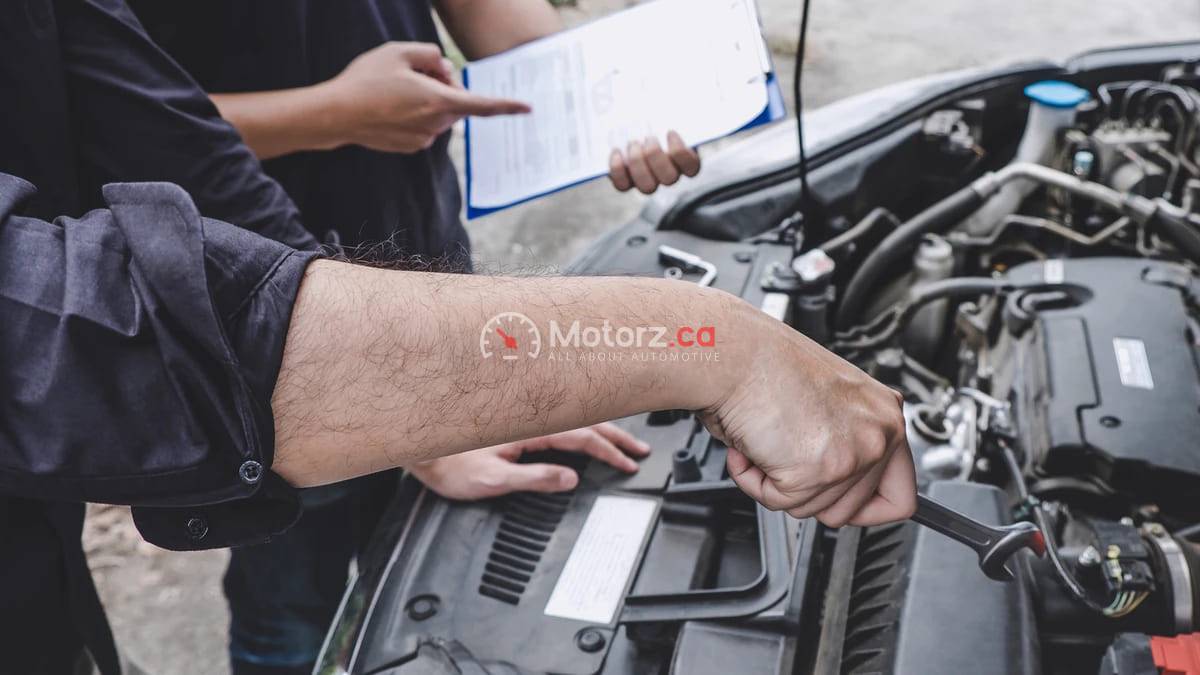
Don’t wait for the first blizzard to find out your heater doesn’t work. Start with these core mechanical inspections.
Inspecting the Charging System
As mentioned, the battery is the primary failure point in winter.
Test the Voltage: Use a multimeter or visit a local mechanic to check your battery’s health.
Clean the Terminals: Corrosion (that white, crusty powder) acts as an insulator, preventing power from reaching the starter.
Age Check: If your battery is more than three to five years old, consider replacing it proactively.
Fluid Management: Beyond Just Oil
While oil is vital, other fluids are equally critical during the winter months.
Engine Coolant (Antifreeze): This is the most important fluid in winter. Despite the name “coolant,” its job in winter is to prevent the water in your engine from freezing. Ensure you have a 50/50 mix of antifreeze and distilled water.
Windshield Washer Fluid: Switch to a “winter blend” that contains a higher concentration of alcohol to prevent the fluid from freezing on your windshield at high speeds.
Brake Fluid: Moisture can accumulate in brake lines. In extreme cold, this moisture can freeze, leading to “spongy” brakes or total failure.
The Importance of Winter-Grade Oil
If you live in an area where temperatures regularly drop below freezing, check your owner’s manual. You may need a lower-viscosity oil (like 5W-30 instead of 10W-30) to ensure the engine is lubricated the moment you turn the key.
Tires: Your Only Connection to the Road
No matter how many safety features your car has—ABS, traction control, or all-wheel drive—they all rely on the four patches of rubber touching the road.
All-Season vs. Winter Tire
Many drivers assume “All-Season” means “All-Weather.” This is a common misconception.
All-Season Tires: These are designed for a wide range of conditions but harden when temperatures stay below 45 degrees Fahrenheit. This makes them slippery on ice.
Winter Tires: These are made from a specialized rubber compound that stays soft in the cold, allowing the tread to “grip” the snow. They also feature sipes (tiny slits in the tread) that provide extra biting edges.
Checking Tread Depth
The legal limit for tread depth is often 2/32 of an inch, but for winter driving, you really need at least 6/32 of an inch to effectively channel snow and slush away from the tire. You can use the “quarter test”—insert a quarter into the tread; if the top of Washington’s head is covered, you have enough tread for winter.
Maintaining Tire Pressure
Check your tire pressure once a week during the winter. Do this in the morning when the tires are “cold” for the most accurate reading.
Visibility and Exterior Maintenance
If you can’t see, you can’t drive. Winter presents unique challenges to visibility, from salt spray to frosted glass.
Wiper Blades and Defrosting
Standard wiper blades can get clogged with ice and become useless.
Winter Blades: These are wrapped in a rubber boot that prevents ice build-up on the frame of the wiper.
The Defrost System: Ensure your front and rear defrosters are working efficiently. If your windows are fogging up excessively on the inside, check your cabin air filter; a clogged filter can trap moisture in the vehicle.
Lighting and Lenses
With shorter days, you will be driving in the dark more often.
Clear the Snow: Never drive with snow on your headlights or taillights.
Polish the Lenses: If your headlight covers are yellowed or cloudy, use a restoration kit. Clear lights are essential for spotting black ice or pedestrians in dim conditions.
Protecting the Paint and Undercarriage
Road salt is the enemy of your car’s metal components.
Waxing: Apply a fresh coat of wax before the first snow to provide a barrier against salt.
Undercarriage Wash: Throughout the winter, use a car wash that offers an undercarriage spray to rinse away salt that causes rust on your frame and brake lines.
Preparing an Emergency Winter Kit
Even the best-prepared car can break down or get stuck. Having an emergency kit can be a lifesaver if you are stranded on the side of the road in freezing temperatures.
The “Must-Haves”
Jumper Cables: Essential for both you and helping others.
Ice Scraper and Snow Brush: Get a sturdy one with a long handle.
A Compact Shovel: To dig your tires out of a snowbank.
Traction Aid: A bag of sand, kitty litter, or specialized traction mats.
Survival Gear
Warm Blankets or a Sleeping Bag: To maintain body heat if the engine won’t run.
Extra Clothing: Gloves, hats, and dry socks.
Non-Perishable Food: Energy bars, nuts, or dried fruit.
Water: Keep a few bottles in the car (leave room for expansion in case they freeze).
Flashlight with Extra Batteries: Cold weather drains batteries, so keep spares in a glove box.
First Aid Kit: A standard kit with bandages and antiseptic.
Safe Driving Habits for Winter Conditions
The best vehicle prep in the world can’t overcome poor driving habits. Adjusting your behavior is the final step in winter readiness.
Increase Following Distance
On dry pavement, a three-second following distance is usually enough. On snow or ice, you should increase this to eight to ten seconds. This gives you the necessary time to react if the car in front of you slides.
Brake Early and Gently
If your car has Anti-lock Brakes (ABS), apply firm, steady pressure. Do not “pump” the brakes; the car’s computer will do that for you much faster than you can.
Accelerate Slowly
Avoid “spinning” your tires when starting from a stop. Use a light touch on the gas pedal to maintain traction. If you have a manual transmission or a “snow mode” on your automatic, starting in second gear can help reduce wheel spin.
Dealing with Skids
If your rear wheels start to slide (oversteer), steer into the direction of the skid. If your front wheels lose traction (understeer), ease off the gas and don’t turn the wheel sharper; wait for the tires to regain grip.
Frequently Asked Questions (FAQ)
Should I warm up my car before driving?
Modern fuel-injected engines only need about 30 seconds of idling before they are ready to drive. Driving gently is actually the fastest way to bring the engine up to operating temperature. Long idling just wastes fuel.
Do I really need All-Wheel Drive (AWD)?
AWD helps you accelerate and “get going” in snow, but it does not help you stop or turn better. A front-wheel-drive car with winter tires will often outperform an AWD car with all-season tires on ice.
What should I do if I get stuck in a blizzard?
Stay with your vehicle. It provides the best shelter. If you run the engine for heat, ensure the exhaust pipe is clear of snow to prevent carbon monoxide poisoning. Only run the engine for about 10 minutes every hour.
Peace of Mind on the Ice
Preparing your car for winter driving is a commitment to safety and a smart financial move. By spending a little time and money on maintenance now, you avoid the much higher costs of emergency tows, engine repairs, or accidents later.
Check your battery, swap your tires, and pack your emergency kit. When the storm clouds roll in, you will be able to drive with the confidence that you and your vehicle are ready for whatever the road throws your way.