

The first frost of the season often Winter Car Prep Guide as a beautiful surprise, but for drivers, it marks the beginning of a challenging time of year. Every winter, thousands of motorists find themselves stranded on the side of the road with dead batteries, frozen locks, or worse—sliding off the road due to inadequate traction.
The question isn’t just, “Have you prepared your car for winter driving?” The real question is: Is your vehicle capable of protecting you and your family when the temperature plummets and the roads turn to glass?
Winterizing your vehicle is more than just a chore; it is a vital safety protocol. In this comprehensive guide, we will cover everything from the chemistry of your engine coolant to the essential items you should keep in your trunk. Let’s make sure your car is ready to handle whatever the winter solstice throws your way.
Why Winter Car Prep Guide Cannot Be Ignored
Cold weather is physically demanding on mechanical systems. Low temperatures cause fluids to thicken, batteries to lose their chemical efficiency, and rubber to harden.
If your car has a minor underlying issue in October, the harsh conditions of January will likely turn it into a major breakdown. Preparing your car for winter reduces the risk of expensive repairs and, more importantly, keeps you in control during hazardous driving conditions.
The Big Three: Tires, Visibility, and Battery
When it comes to winter driving, these three areas are where most failures occur. Addressing them early is the best way to ensure reliability.
Winter Tires vs. All-Season Tires
There is a common misconception that all-season tires are “good enough” for snow. While they are versatile, the rubber compound in all-season tires begins to harden once the temperature drops below 7 Celsius (about 45 Fahrenheit).
Winter Tires: These are made with a special rubber that stays soft in the cold, providing better grip. They also feature deeper tread patterns and “sipes” (tiny slits in the rubber) that bite into ice.
Tread Depth: If you aren’t switching to dedicated winter tires, ensure your current ones have at least 6/32 of an inch of tread.
Tire Pressure: Cold air causes tire pressure to drop. For every 10-point drop in temperature, you can lose about one pound per square inch (PSI) of pressure. Check your levels weekly during a cold snap.
Visibility and Lighting
During winter, days are shorter and weather conditions like sleet or heavy snow can reduce visibility to near zero.
Winter Wiper Blades: Standard blades can get clogged with ice and become rigid. Winter-specific blades have a protective rubber boot that prevents ice buildup.
Wiper Fluid: Switch to a “winter blend” fluid that contains de-icer. Standard blue fluid can freeze on your windshield while you are driving, creating a dangerous “whiteout” effect.
Headlight Restoration: If your headlights are cloudy, the light won’t penetrate through snow or fog effectively. Clean them with a restoration kit to ensure maximum brightness.
The Battery Stress Test
Battery capacity drops significantly in the cold. At the freezing point, a battery has about 20 percent less power than usual. By the time it hits sub-zero temperatures, it may have less than half its original cranking power.
Tip: Have a mechanic perform a “load test” on your battery. If it is more than three years old, consider replacing it before the first major cold front hits.
Under the Hood: Fluids and Mechanical Health
Your engine relies on various fluids to stay cool, lubricated, and functional. Winter changes the rules for these liquids.
Engine Coolant (Antifreeze)
Despite the name “coolant,” this fluid is what prevents your engine block from freezing and cracking. A 50/50 mix of antifreeze and water is standard, but in extremely cold climates, a 60/40 or 70/30 mix might be required.
Engine Oil
Thick oil makes it harder for the engine to turn over in the morning. Check your owner’s manual; some manufacturers recommend switching to a lower-viscosity oil (like 5W-30 instead of 10W-30) during the winter months to improve cold-start lubrication.
Belts and Hoses
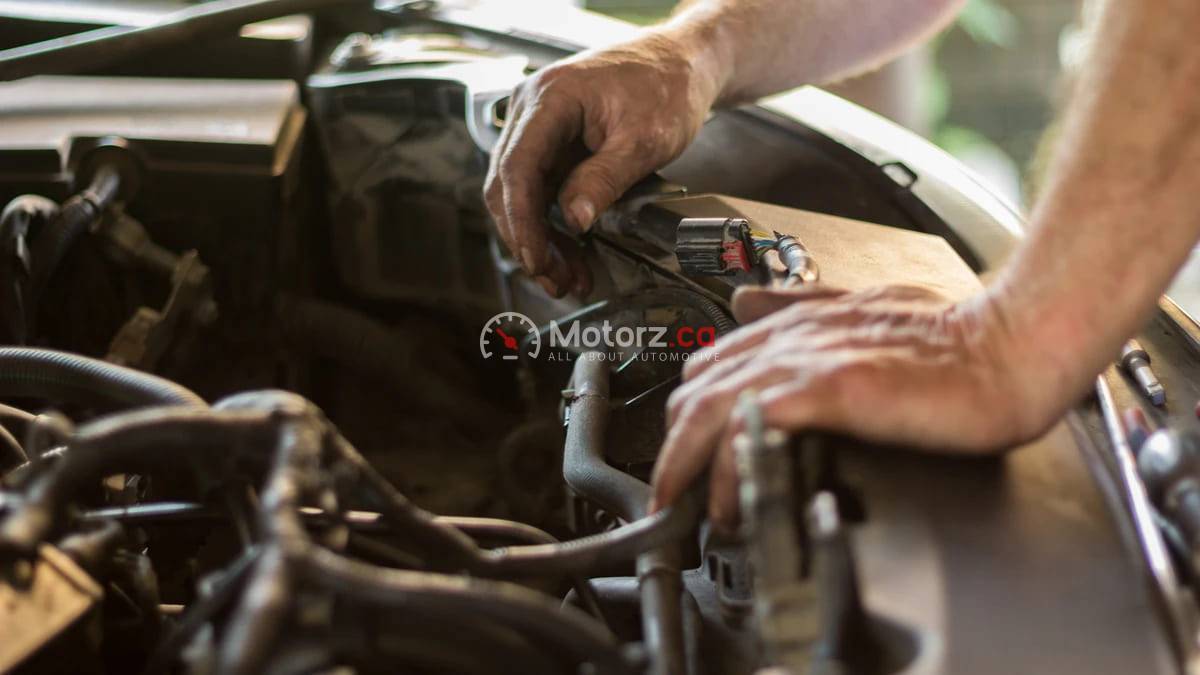
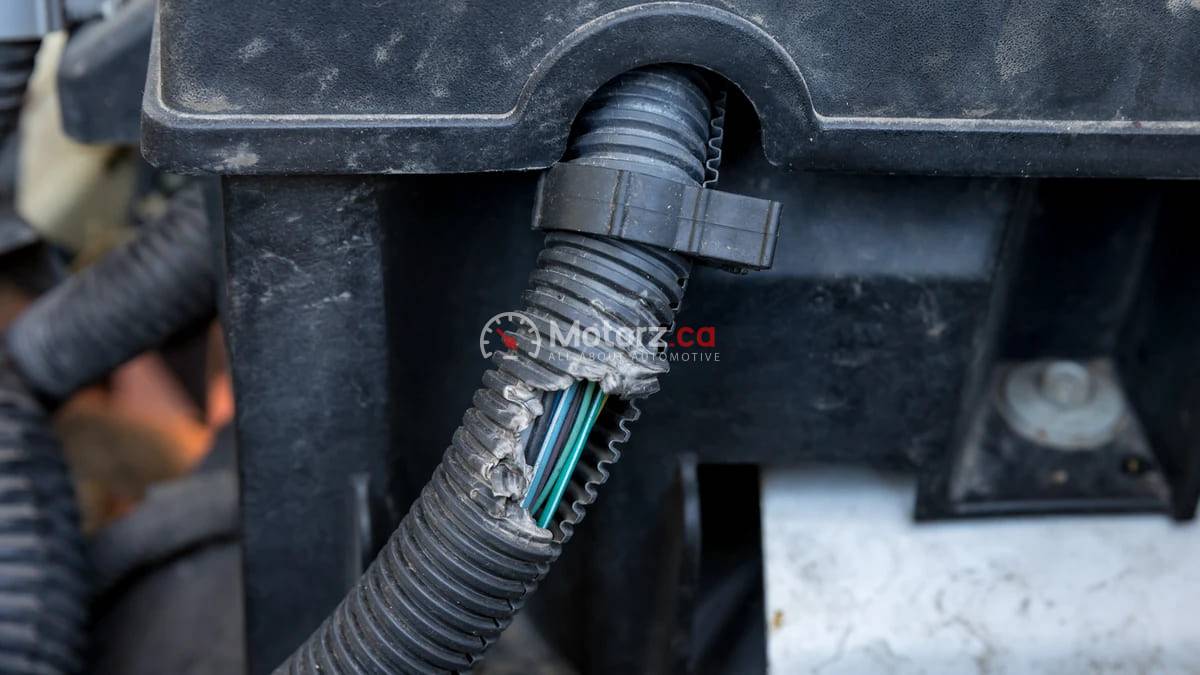
Cold weather makes rubber brittle. Inspect your engine belts for cracks or fraying. A snapped belt in the summer is an inconvenience; a snapped belt in a winter blizzard is a life-threatening emergency.
The Essential Winter Emergency Kit
You should always drive with the assumption that you might get stuck. If you are stranded, your car becomes your only shelter. Your trunk should contain a “Go-Bag” specifically for winter.
Basic Tools
Ice Scraper and Snow Brush: A long-handled version is best for reaching across the roof.
Shovel: A collapsible snow shovel can help you dig out of a snowbank.
Traction Aid: A bag of sand, kitty litter, or dedicated traction mats can help your tires find grip on ice.
Survival Gear
Warmth: Pack extra blankets (wool or Mylar thermal blankets are best), gloves, and a hat.
Food and Water: Keep non-perishable snacks like granola bars and a few bottles of water in the cabin (remember that water bottles may freeze and burst, so leave some room in the bottle).
Light: A flashlight with extra batteries or a hand-cranked LED light.
Power: A portable jump-starter pack and a phone power bank.
Tips for Safe Winter Driving Maneuvers
Even a perfectly prepared car requires a prepared driver. Winter driving is a skill that needs constant refinement.
Slow Down: This seems obvious, but it is the most ignored rule. Speed limits are set for dry conditions, not icy ones.
Increase Following Distance: On dry pavement, a three-second gap is standard. On snow or ice, increase this to eight or ten seconds.
Know Your Brakes: If you have Anti-lock Brakes (ABS), apply firm, steady pressure if you skid. Do not “pump” the brakes; the car’s computer will do that for you much faster than you can.
Steer Into the Skid: If your back end starts to slide, stay off the gas and the brakes. Turn the steering wheel in the same direction that the back of the car is sliding.
Interior Maintenance: Protecting Your Cabin
Winter isn’t just hard on the engine; it’s hard on the interior too. Salt and slush tracked in from your boots can ruin carpets and cause rust in the floorboards.
Rubber Floor Mats: Invest in “all-weather” deep-dish rubber mats. They trap the melting snow and salt, which you can easily pour out later.
Seal the Weatherstripping: Apply a silicone-based lubricant to the rubber seals around your doors and trunk. This prevents the “frozen door” syndrome where the rubber sticks to the metal frame after a freeze.
Check the Heater and Defroster: Ensure your cabin heat is working efficiently and that the air is blowing correctly through the defrost vents to keep your windows clear.
Frequently Asked Questions
Should I warm up my car before driving?
Most modern fuel-injected engines only need about 30 seconds of idling before they are ready to drive. Driving gently is actually the fastest way to bring the engine and the cabin up to temperature. Avoid long idling, as it wastes fuel and can cause unnecessary wear.
How do I stop my locks from freezing?
A small amount of graphite lubricant or a dedicated lock de-icer can keep the moving parts inside the lock from seizing up. Avoid using water to thaw a lock, as it will simply re-freeze.
What should I do if I get stranded in the snow?
Stay with your vehicle. It provides shelter and is easier for rescuers to find. If you run the engine for heat, ensure the exhaust pipe is clear of snow to prevent carbon monoxide poisoning.
Preparation is Your Best Insurance
Preparing your car for winter driving is not just about avoiding the inconvenience of a dead battery. It is about maintaining control when the environment becomes unpredictable. By spending a few hours checking your tires, fluids, and emergency supplies today, you ensure that you are ready for the coldest months of the year.
Don’t wait for the first snowstorm to realize your wipers are streaking or your battery is weak. Take action now, stay safe, and drive with confidence all winter long.