
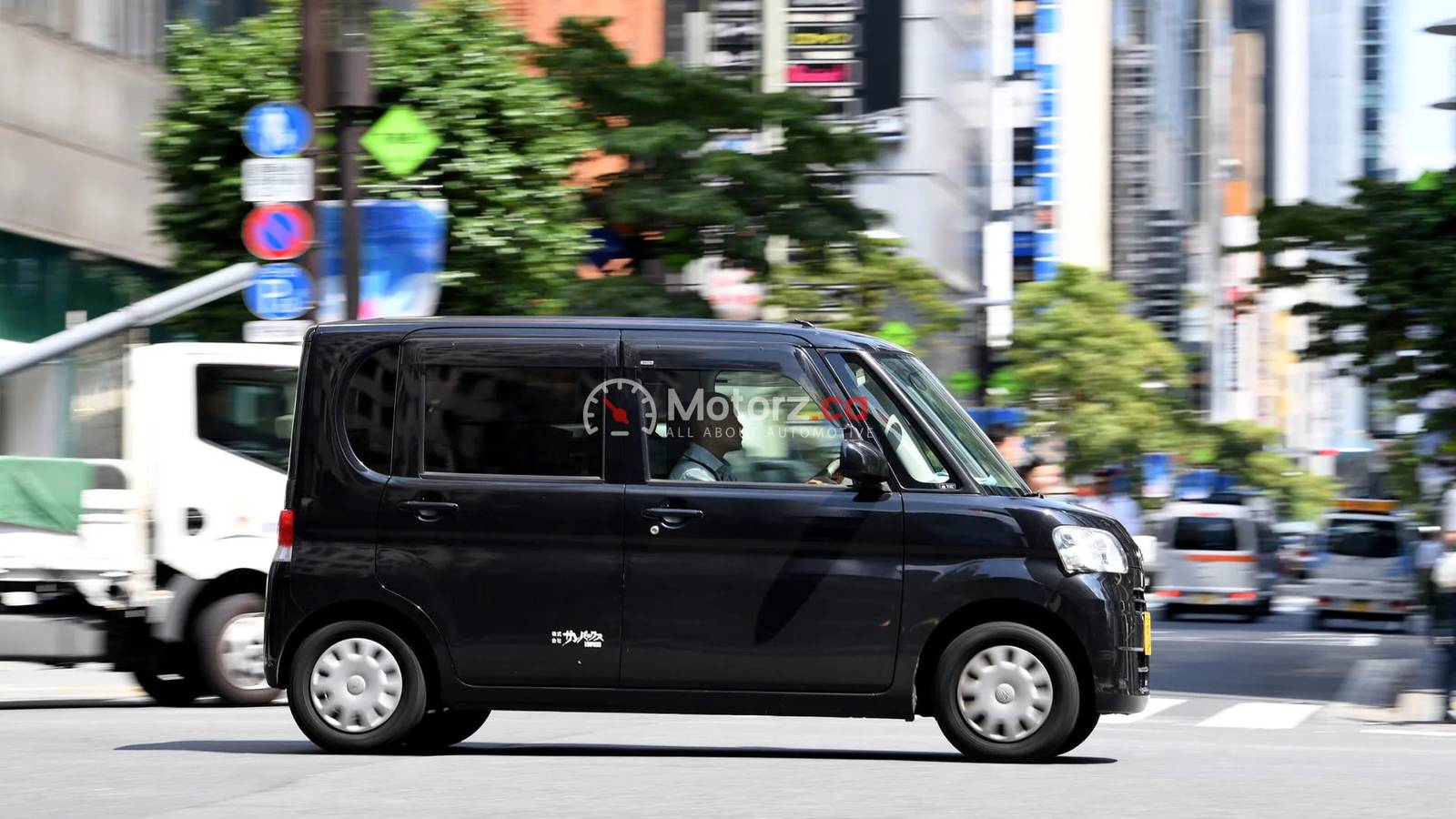

In the dense, Roadblocks for Micro Cars centers of Paris, Tokyo, and Rome, the micro car is a ubiquitous solution—a nimble, cost-effective, and environmentally friendly answer to urban congestion. These tiny vehicles, like the Smart Fortwo, the Microlino, or the Japanese Kei cars, offer parking convenience and unparalleled efficiency. Yet, cross the Atlantic to the United States, and these small wonders disappear almost entirely from the landscape.
Why does a nation obsessed with innovation and diverse consumer choice consistently reject or legally hamstring the micro car segment?
The failure to establish a substantial market for these pint-sized vehicles in the U.S. is not a simple case of preference. It is a complex collision of regulatory hurdles, deep-seated cultural norms that prioritize size and status, economic realities that favor larger vehicles, and a vast, sprawling infrastructure built for SUVs and pickup trucks. The few attempts to introduce these vehicles have met with commercial failure, leaving many to wonder if the American automotive landscape is simply too large and too regulated for the micro car to ever thrive.
This deep-dive analysis unpacks the four major problems that prevent the successful manufacturing and sale of micro cars within the United States, focusing on everything from safety regulations to consumer psychology.
The American Cultural and Infrastructure Bias for Bigness
The most significant barrier to the micro car in the U.S. is not a machine problem, but a deeply ingrained cultural and infrastructural one. America was built on wide-open spaces, sprawling highways, and a mentality that bigger is inherently better, safer, and more prestigious.
The Dominance of Roadblocks for Micro Cars
The U.S. automotive market is overwhelmingly dominated by light trucks, which include pickup trucks, SUVs, and crossovers. These vehicles represent over 70% of new car sales. This trend creates a dangerous environment for a micro car.
Safety Perception: American consumers view large vehicles as safer. When a tiny Smart Fortwo shares a lane with a massive Ford F-150 or Chevy Tahoe, the perceived risk of an accident drastically increases for the micro car occupant. This psychological fear drives buyers toward larger, heavier vehicles, perpetuating the cycle.
Status and Affluence: In many parts of the U.S., a large truck or SUV is a symbol of financial success and utility. Small, budget-friendly cars, historically, have been associated with compromise, limited income, or poor quality (a legacy reinforced by failures like the Yugo or certain early subcompacts).
Long-Distance Travel: The average American commute and travel needs often involve long highway drives across state lines. A micro car, often limited in highway stability, seating capacity, and storage, is simply not practical for the lifestyle of most U.S. consumers who often own only one vehicle for all their needs.
SEO Insight: The challenge for microcar manufacturers in the U.S. is overcoming the American safety perception and the cultural preference for SUVs and trucks. The market segment for a tiny, urban-only vehicle is too small to justify the massive investment required.
Regulatory Roadblocks: Safety and Categorization Challenges
While consumer taste is a major factor, the regulatory framework in the U.S. is arguably the largest, most ironclad obstacle. U.S. Federal Motor Vehicle Safety Standards (FMVSS), established by the National Highway Traffic Safety Administration (NHTSA), are some of the most stringent and specific in the world, and they present a unique problem for ultra-compact vehicles.
The Strict Rules for Four-Wheeled “Cars”
Unlike Europe, which has established vehicle categories like “quadricycles” (L6e and L7e categories) with less stringent safety and crash-testing requirements, the U.S. regulatory system is rigid.
Pass/Fail Crash Testing: A four-wheeled vehicle in the U.S. must meet the same fundamental crash-test standards as a full-size SUV, including required features like specific airbag deployments, side-impact protection, and energy-absorbing crumple zones. Building a vehicle small and light enough to be a true micro car while still passing these tests is prohibitively expensive, often requiring the addition of heavy, costly structural components.
Low-Speed Vehicle (LSV) Trap: Most micro cars, if they cannot meet full FMVSS standards, are relegated to the Low-Speed Vehicle (LSV) category. This category severely restricts the vehicle’s utility:
Maximum Speed Cap: LSVs are typically capped at a maximum speed of 25 miles per hour.
Road Use Restriction: They are often prohibited from operating on roads with speed limits exceeding 35 mph, confining them strictly to small communities or specific urban/campus settings.
This limitation instantly renders many successful European and Asian micro cars, which are designed to travel at highway speeds of 50-60 mph, useless for the U.S. daily commute.
The high cost of federalizing a micro car—meeting all FMVSS and EPA emissions standards—pushes its final price point too close to a conventional, full-featured compact car (like a Toyota Yaris or Kia Rio), destroying the micro car’s primary advantage: affordability.
The Unfavorable Economics of U.S. Manufacturing and Sales
For an automaker, the decision to build a car in the U.S. is a cold, hard calculation of cost, volume, and profit margin. The economic reality strongly disincentivizes U.S. production of micro cars.
High Manufacturing and Labor Costs
Manufacturing vehicles in the U.S. involves high labor costs, driven by factors like union wages and comprehensive benefits. To make a profit, manufacturers must allocate these costs across high-volume sales.
Scale of Production: Because the U.S. demand for micro cars is so low, a manufacturer would have to invest in tooling and factory retooling for a vehicle that might sell fewer than 10,000 units per year. This low volume prevents the realization of economies of scale.
The Profit Margin Issue: Automakers realize a significantly higher profit margin on large trucks and SUVs compared to small, budget-friendly vehicles. As corporations are driven by quarterly profits, allocating precious manufacturing capacity to a low-margin micro car instead of a high-margin SUV is a financially unsound decision. This is why major U.S. manufacturers like Ford and GM have largely exited the small sedan market entirely.
Distribution and Dealer Network Resistance
The U.S. dealership model also acts as a barrier. Dealers prefer to sell vehicles with high profit margins and popular options.
A dealer needs to invest in inventory, marketing, and servicing for a new, niche micro car. If the car is priced to be affordable, the dealer’s markup (and thus profit) is small.
The small car segment has a history of high warranty claims and service issues (as seen with some American-built small cars in the 1970s), making dealers wary of stocking what they perceive as a potentially problematic, low-profit product.
Lessons from History: Previous Micro Car Failures in America
The history of small cars in the U.S. is littered with well-intentioned attempts that ultimately failed, cementing the consumer’s hesitation and the manufacturer’s reluctance to try again.
The Smart Fortwo and Scion iQ Case Studies
The most recent major attempts involved the Smart Fortwo (2008-2019) and the Scion iQ (2012-2015). Both were small, highly specialized urban mobility solutions that failed to meet sales targets.
These failures demonstrated that American consumers, even when seeking affordability, are generally unwilling to accept significant compromises on interior space, highway usability, and perceived safety, especially when the price difference from a traditional compact car is marginal.
A Market Too Big for Small Cars
The obstacles facing the micro car in the U.S. are multifaceted and deeply entrenched. They include a consumer base culturally conditioned to prefer size and utility, a federal regulatory system that mandates the same expensive crash standards for tiny cars as for large SUVs, and an economic model that punishes low-volume, low-margin products.
For the micro car to ever gain serious traction, the U.S. would need to undergo a massive shift: either a radical change in the FMVSS standards to create a specific category for urban, low-speed vehicles (like the EU’s quadricycles), or a colossal infrastructure push toward hyper-dense, walkable urban centers where the convenience of a tiny car genuinely outweighs the need for a long-distance family hauler. Until then, the American road remains a domain dominated by the behemoth, and the micro car remains an intriguing, yet impractical, footnote.