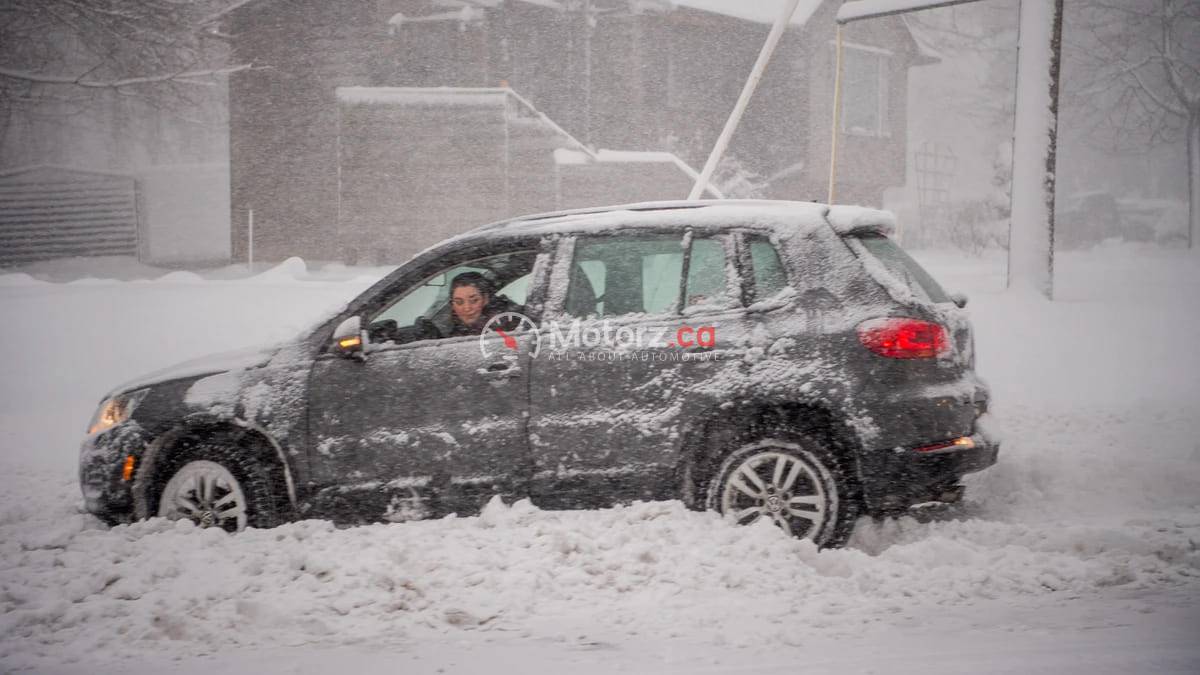





Protecting Your Car is a city of contrasts. A bustling metropolis with a vibrant culture, stunning architecture, and a charming European flair. Yet, beneath its beautiful exterior lies a reality that every car owner knows all too well: the harsh, unforgiving road conditions. From the relentless assault of road salt in winter to the minefield of potholes that emerge with the spring thaw, Montreal’s roads can take a serious toll on your vehicle. But with the right knowledge and a proactive approach, you can protect your car’s exterior, undercarriage, and vital components from the constant onslaught of damage.
This guide will walk you through the most effective Protecting Your Car for preserving your car’s value and structural integrity against the unique challenges of Montreal’s roadways.
The Corrosive King: Battling Road Salt
Road salt is a double-edged sword. It makes our roads safer by melting ice and snow, but it is also a highly corrosive agent that relentlessly attacks your Protecting Your Car. The combination of salt, water, and cold temperatures creates a perfect storm for rust and corrosion.
The Science of Salt Damage
Montreal and the surrounding areas use a mix of Protecting Your Car, primarily sodium chloride, to de-ice roads. When salt mixes with water from melted snow and slush, it creates a brine that splashes up onto your vehicle. This brine is highly conductive and accelerates the oxidation process, leading to rust. This rust doesn’t just look bad; it can compromise the structural integrity of your vehicle’s frame, exhaust system, brake lines, and other critical components.
Your First Line of Defense: Regular Washing
The most Protecting Your Car step in fighting rust is frequent washing. This might sound counterintuitive in the middle of a Montreal winter, but it’s essential.
- Frequency is Key: Aim to wash your Protecting Your Car every 10-14 days during the winter, or immediately after a major snowstorm when the roads have been heavily salted.
- The Undercarriage Wash: This is the most important part of a winter car wash. The undercarriage is where most of the salt and grime collect. Choose a Protecting Your Car wash that offers an undercarriage spray or high-pressure rinse to blast away the corrosive salt from your car’s most vulnerable areas.
- DIY Tips: If you’re washing at home, use a high-pressure nozzle to rinse the wheel wells and underbody. A long-handled brush can help you reach hidden spots. Use a specialized car soap, not dish soap, as it’s formulated to be gentle on your car’s finish.
The Ultimate Protection: Rustproofing and Undercoating
While regular washing helps, for long-term protection against Montreal’s brutal winters, professional rustproofing is highly recommended.
- Rustproofing (Oil Spray): This involves applying a rust-inhibiting oil or wax-based solution to the entire underbody of the vehicle, including inside the doors, fenders, and other cavities. The oil spray penetrates seams and crevices, displacing moisture and creating a barrier against salt. This treatment is typically an annual or bi-annual Protecting Your Car.
- Undercoating: A thicker, rubberized or wax-based coating is applied to the undercarriage. This provides a durable, physical barrier against salt, water, and road debris. While it offers excellent protection, it’s less effective at penetrating hard-to-reach areas and can crack over time, trapping moisture and potentially accelerating rust.
Many car owners in Protecting Your Car choose a combination of annual rustproofing and a one-time undercoating for maximum protection.
The Spring Menace: Dodging Potholes
As winter gives way to spring, the freeze-thaw cycle wreaks havoc on Protecting Your Car roads, creating a landscape dotted with deep, tire-shredding potholes. These aren’t just a nuisance; they can cause significant, and expensive, damage.
The Common Damage Potholes Cause
Hitting a pothole can lead to a variety of issues, from minor to catastrophic:
- Tire and Wheel Damage: This is the most common result. Potholes can cause tire punctures, sidewall bulges, or even blowouts. The impact can also bend or crack your wheel rims, leading to vibrations and further problems.
- Suspension and Steering Damage: The force of a pothole impact can damage critical suspension components like shocks, struts, ball joints, and control Protecting Your Car. This can lead to a rough ride, a misaligned steering wheel, and uneven tire wear.
- Exhaust System Damage: A hard impact can jar or dent your exhaust system, leading to loud noises and performance issues.
Your Pothole Prevention Strategy
Avoiding a pothole is always the best solution.
- Leave Space: Don’t tailgate. A generous following distance gives you a better view of the road ahead, allowing you to spot and react to potholes in Protecting Your Car.
- Look Far Ahead: Train your eyes to scan the road ahead, not just the car in front of you. This gives you time to change lanes or slow down to safely navigate around a pothole.
- Maintain Proper Tire Pressure: Properly inflated tires provide better cushioning and are more resilient to impacts. Underinflated tires are more likely to get punctured or damaged.
- If You Can’t Avoid It: If you can’t steer around a pothole, slow down as much as possible. Hold the steering wheel firmly to maintain control. Hitting it straight on is often better than swerving, as swerving can cause more serious damage and risk a collision with other vehicles.
A Proactive Approach: Beyond the Obvious
Protecting your car from Protecting Your Car damage isn’t just about what you do in winter. It’s a year-round commitment.
Detailing: More Than Just a Shine
Professional car detailing is a powerful preventative measure. A quality detailer will deep clean your car’s exterior, removing embedded contaminants like road salt, grime, and industrial fallout. They can also apply protective coatings.
- Wax and Sealants: A high-quality Protecting Your Car wax or synthetic sealant creates a sacrificial layer of protection on your car’s paint, preventing road salt and other chemicals from reaching the clear coat. It also makes washing easier.
- Ceramic Coating: For the ultimate protection, a ceramic coating offers a durable, long-lasting barrier. This nano-coating provides a hard, glossy layer that is resistant to scratches, chemicals, and UV rays. While more expensive, a ceramic coating can last for years and provides unparalleled protection against the elements.
Regular Inspections and Maintenance
Catching small issues before they become big problems is crucial. After the winter and spring seasons, have a mechanic inspect your vehicle.
- Suspension Check: A post-Protecting Your Car suspension check can identify any components that were damaged by potholes. A professional can check for alignment issues, worn-out bushings, and damaged struts or shocks.
- Brake Line Inspection: Road salt is notorious for corroding brake lines. Have a mechanic check for any signs of rust or wear on these critical components.
- Exhaust System: A quick inspection of your exhaust can reveal any new rust spots or damage from road debris.
Interior Protection: Keeping Salt from the Inside
Salt doesn’t just attack the outside of your Protecting Your Car; it also gets tracked into the interior on your shoes. This can lead to unsightly white stains on your floor mats and carpets.
- All-Weather Floor Mats: Invest in a good set of rubber or TPE all-weather floor mats. They have raised edges to contain melted snow, salt, and slush. They are easy to remove and hose down.
- Vinegar Solution: For existing salt stains, a simple solution of equal parts white vinegar and warm water can work wonders. Spray it on the stain, let it sit for a few minutes, and then blot it with a clean cloth. For tougher stains, use a stiff brush to agitate the fibers before blotting.