

The night is quiet, but for a Racing Culture, a distant rumble cuts through the stillness. As the sound grows louder, a symphony of turbocharged spools and high-revving engines fills the air. It’s a sound that signals a transformation, as a forgotten stretch of industrial road or a quiet side street becomes a makeshift stage for a high-stakes, high-octane drama. This is the heartbeat of a city’s underground racing scene—a secretive world that thrives in the shadows, built on a foundation of adrenaline, pride, and a deep-seated passion for speed.
This blog post is not a celebration of reckless behavior. Instead, it is a journey behind the veil, an honest look at a subculture that has captivated imaginations for generations. We will explore the unwritten rules, the diverse community, the impressive machinery, and, critically, the immense dangers and severe consequences that lurk just beyond the finish line.
From Rebel Culture to Online Communities
The allure of street racing is as old as the automobile itself. Its origins are steeped in a rebellious spirit that has evolved significantly over the decades.
A Legacy of Speed and Rebellion
The roots of modern street Racing Culture can be traced back to the bootlegging era of the 1930s. Smugglers would modify their cars to outrun law enforcement, giving birth to a culture of hot-rodding and performance tuning. This culture exploded in the post-war era of the 1950s and 60s, a period when American youth, fueled by a booming economy and a desire for independence, embraced the automobile as a symbol of freedom. Movies like Rebel Without a Cause cemented the image of street racing as an expression of youthful angst. This legacy continued through the muscle car era, where raw horsepower became king, and “racing for pinks”—betting ownership of the car itself—became a legendary, albeit risky, practice.
The Digital Transformation
In the 1990s and 2000s, the subculture was re-energized and globalized by the internet and pop culture. Films like The Fast and the Furious introduced a new generation to a vibrant, multi-faceted scene dominated by modified Japanese domestic market Racing Culture cars, flashy lights, and intricate tuning. This digital age also fundamentally changed how the scene operates. Instead of relying on word-of-mouth or a chance encounter at a car meet, today’s underground races are often meticulously planned. Organized through encrypted group chats, private forums, and social media, race organizers can monitor police scanners and use lookouts to stage events in abandoned industrial parks or on desolate stretches of highway with a level of coordination that makes them incredibly difficult to stop.
The Unwritten Rules: An Inside Look at the Code
Behind the apparent chaos of a street race, there is a complex, unwritten code of conduct that governs the scene. This code is a mixture of etiquette, self-preservation, and a shared understanding of the risks.
The Race and the Stakes
The process of setting up a race is a crucial part of the Racing Culture. It often begins at a “car meet,” a public gathering in a parking lot or industrial area where enthusiasts show off their cars. Here, challenges are issued and accepted. The terms are simple but high-stakes: pride, a stack of cash, or even the keys to the loser’s car. The course is typically a straight quarter-mile or half-mile stretch of road, where two cars line up and wait for the signal, often a three-count from a person standing at the start line. This raw, direct competition is the essence of illegal drag racing.
But not all races are about raw speed. In the world of Racing Culture racing, drivers take on winding mountain passes or treacherous country roads. Here, it’s not about sheer horsepower but about skill, braking points, and a deep understanding of the car’s handling. This type of racing is more about a personal battle against the road and the opponent, with a focus on who can maintain control at the edge of chaos.
Safety and Etiquette: A Dangerous Illusion
Participants in the underground scene often claim to have an informal safety protocol. They talk about “spotters” who use two-way radios to watch for police or other vehicles. They designate clear start and finish lines and have unspoken rules about not crossing lanes. However, these precautions are a fragile illusion of safety. The reality is that street racing on public roads is inherently dangerous and unpredictable. There are no Racing Culture, no designated runoff areas, and no emergency services on standby. A miscalculation, a hidden pothole, or an unseen civilian car can turn a thrilling race into a catastrophic accident in a split second. This is a point that cannot be overstated: no amount of planning can make a public road safe for racing.
The Community and the Cars
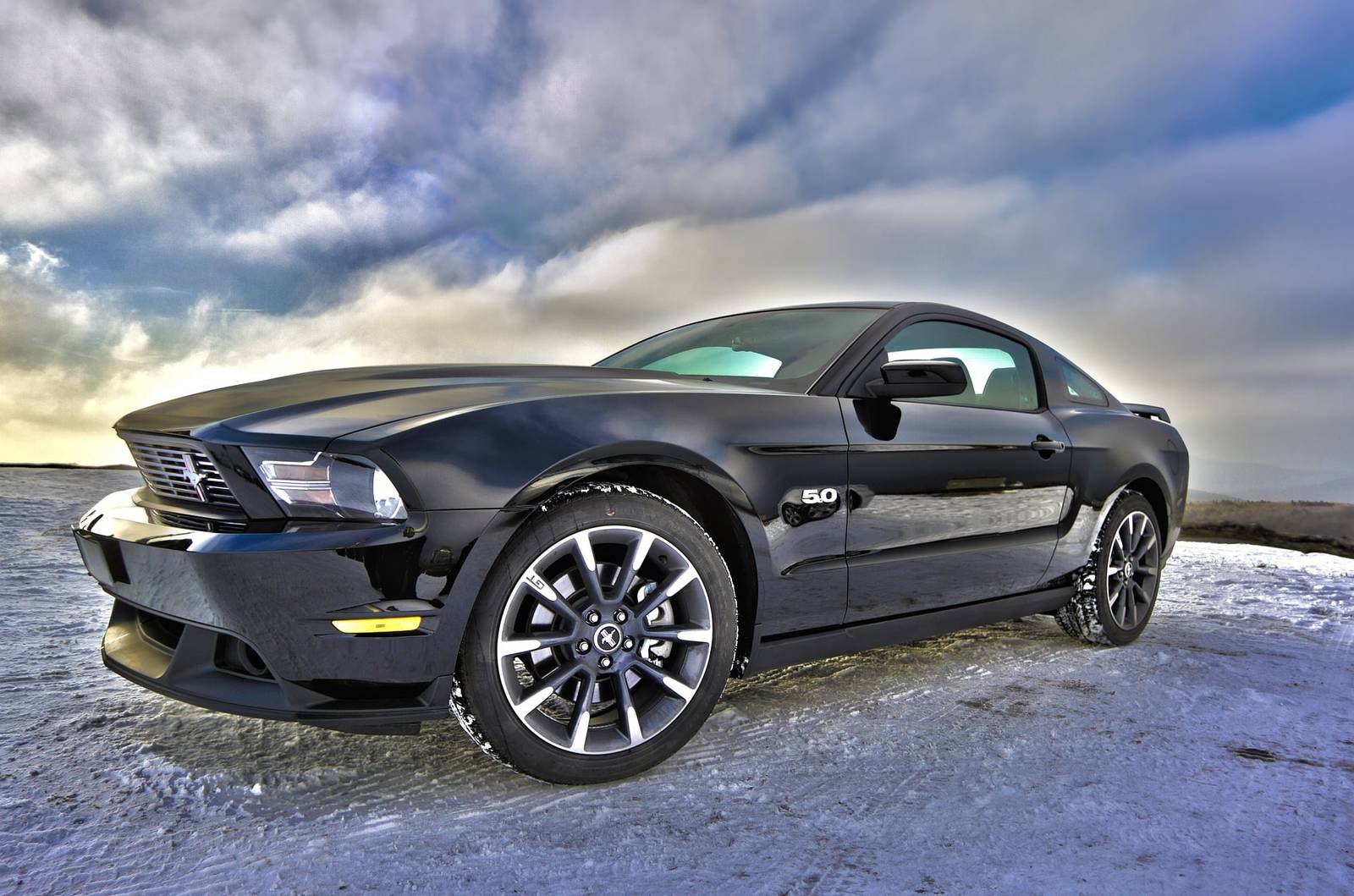
The cars themselves are a window into the scene’s subcultures. On one side, you have the classic “domestic muscle” scene, with enthusiasts showcasing classic American V8s like the Ford Mustang, Chevrolet Camaro, or Dodge Challenger. These are cars built for raw power, designed for straight-line speed, and a direct link to the scene’s hot-rodding Racing Culture.
On the other side is the JDM (Japanese Domestic Market) scene, a culture defined by nimble, high-tech imports like the Nissan Skyline, Toyota Supra, and Mazda RX-7. These cars are often heavily modified with turbochargers, intricate exhaust systems, and aerodynamic body kits. For these enthusiasts, it’s not just about winning a race; it’s about the journey of modifying and perfecting their machine, a constant quest for better performance and a unique aesthetic. The rivalry between these two camps—the raw power of domestic muscle against the high-tech precision of JDM imports—is a central theme of the community.
The Different Racing Culture: A Breakdown of Disciplines
The term “street racing” is a broad umbrella. To truly understand the culture, one must recognize its various forms.
Drag Racing: The Quarter-Mile King
This is the most common form of illegal street Racing Culture. Two cars line up at a designated starting point, typically a stoplight or a stretch of empty road, and race to a finish line a quarter-mile away. The adrenaline of the launch, the deafening roar of the engines, and the split-second decision-making required to time the gear shifts make it a thrilling spectacle. It’s a contest of raw acceleration and a showcase of a car’s horsepower-to-weight ratio.
Drift Culture: The Art of the Slide
Drifting is less about speed and more about skill and control. It involves intentionally oversteering the car to make it slide sideways through Racing Culture. Originating in Japan, this style has become a global phenomenon. Underground drift events take place on winding roads or in large, empty parking lots. The focus is on style, tire smoke, and maintaining control as the car gracefully slides at the edge of losing traction. It’s a high-skill dance between driver and machine, performed for an appreciative audience.
Circuit & Touge Racing
For those who crave a more technical challenge, circuit or touge racing on public roads is the ultimate test. Circuit races often take place on abandoned loops or industrial roads, while touge racing is done on winding mountain roads. These events require immense bravery, skill, and an intimate knowledge of the course. Unlike a drag race, a touge race is a chess match, with drivers using braking, cornering, and power delivery to outmaneuver their Racing Culture. The risks here are arguably the highest, as a single mistake can send a car plunging into a ravine or into a rock wall.
The Dark Side: Risks and Consequences
The romanticized view of street racing, often portrayed in movies, ignores the severe and life-altering consequences of this dangerous activity.
The Human Cost: A High Price to Pay
The most tragic consequence of underground racing is the potential for injury or death. The lack of safety precautions on public roads means that even minor incidents can have devastating outcomes. There is no official data on racing-related fatalities, but reports of fatal crashes involving racers and innocent bystanders are far too common. A Racing Culture car on a public street is not just a danger to its driver; it’s a lethal weapon in a game with no rules, a game that can shatter the lives of unsuspecting families.
The Legal and Financial Fallout
The legal penalties for street racing are severe and getting stricter in jurisdictions across North America. In many places, including Canada, it is classified as “stunt driving” and carries a long list of serious consequences. Penalties can Racing Culture:
- Immediate License Suspension: Your license can be suspended on the spot for 7 to 30 days.
- Vehicle Impoundment: The car used in the race is immediately seized and impounded for weeks, regardless of who owns it.
- Hefty Fines: Fines can range from a few Racing Culture to over $10,000.
- Criminal Charges: If a race results in property damage, injury, or death, racers can face criminal charges for reckless driving, dangerous driving, or even manslaughter, which can lead to years or a lifetime in prison.
The financial cost is also Racing Culture, from legal fees and fines to the astronomical increase in insurance premiums—or even outright cancellation of your policy. For a moment of adrenaline, the cost can be a lifetime of financial hardship.
Beyond the Street: The Allure of the Track
The thrill of speed and the passion for car culture don’t have to come at such a high price. The most responsible members of the car community have shifted their focus to legal alternatives that offer the same exhilaration in a controlled Racing Culture. Drag strips, autocross events, and organized track days provide a safe, legal, and more skilled-based venue for enthusiasts to push their cars and themselves to the limit. They offer the same sense of community and the same opportunity to showcase a beautifully built machine without the Racing Culture of harming oneself or others.