

Modern Dangerous Instrument are essentially computers on wheels, and while that technology brings incredible convenience, it also introduces complex software risks. A significant safety concern has recently emerged in Canada, affecting nearly 10,000 popular trucks that are being recalled due to a critical software problem.
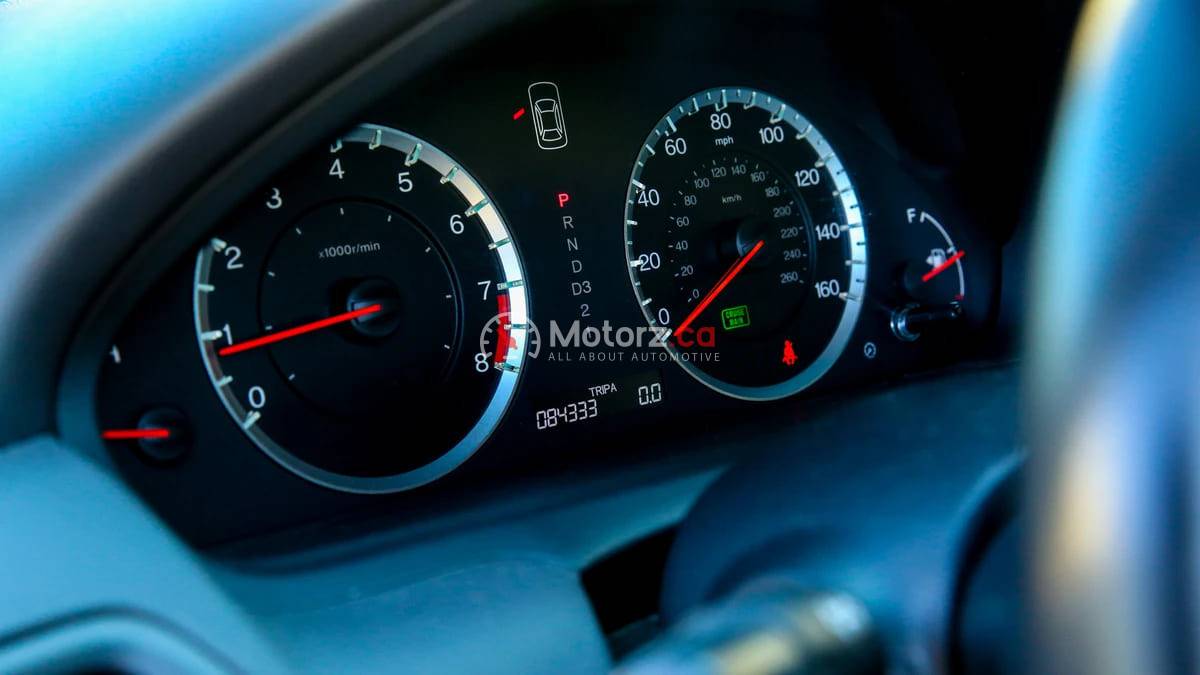
Transport Canada has issued an urgent notice regarding a defect that could cause the vehicle’s instrument panel cluster screen not to display when the truck is started or, critically, while it is being driven. This isn’t just an inconvenience—it’s a serious safety hazard. The instrument panel is the primary source of vital information for the driver, including warning lights, gear selection, and speed. A failure to display this information can drastically reduce a driver’s awareness and significantly increase the risk of a crash.
The recall specifically impacts 9,842 vehicles from the Ram family, focusing on various 2025 and 2026 models equipped with the large 12-inch instrument panel cluster. This mass recall underscores a growing trend in the automotive industry: as cars become more digitized, software glitches are quickly becoming a leading cause of safety recalls.
This article provides a comprehensive breakdown of the recall details, explains the potential risks involved, outlines the specific affected vehicles, and advises owners on the necessary steps to secure a free and essential repair.
Understanding the Dangerous Instrument Cluster Failure
The malfunction centers on the Instrument Panel Cluster (IPC), which serves as the driver’s immediate link to the vehicle’s operational status and safety warnings. When a software bug causes this screen to go blank, the consequences can be immediate and severe, moving the issue from a minor electronic fault to a major safety defect.
Loss of Vital Driving Information
The primary hazard stems from the driver losing access to essential information required to safely operate the vehicle. Transport Canada specifically highlighted the loss of these critical indicators:
Gear Selection: Without knowing the current gear (Park, Reverse, Drive), a driver could inadvertently select the wrong gear, especially when maneuvering in tight spaces or initiating travel.
Warning and Tell-tales: Crucial safety notifications, such as low tire pressure warnings, brake system alerts, or “check engine” lights, may not display. The absence of a critical warning light can prevent the driver from addressing a serious mechanical or safety issue before it leads to failure.
Speedometer and Fuel Gauge: Losing the ability to monitor speed can easily lead to unintentional speeding or an inability to maintain safe speeds for road conditions, while losing the fuel gauge can result in unexpected breakdown.
The failure to display safety warnings and gear selection indicators is the core reason Transport Canada determined this defect could increase the risk of a crash.
The Role of Software in Modern Vehicle Safety
This Ram recall is a perfect illustration of the escalating safety dependence on complex in-vehicle software. In older vehicles, warning lights were often hard-wired indicators, ensuring redundancy. Today, almost every indicator, gauge, and warning light is managed and displayed digitally by the IPC software.
A single coding error, a timing flaw, or a communication glitch between the vehicle’s Electronic Control Units (ECUs) can trigger a system-wide failure, rendering a whole host of safety features useless. This recall highlights that the vulnerability lies not just in mechanical components, but in the layers of code that govern the vehicle’s primary functions.
Recall Scope: Which Ram Trucks Are Affected in Canada?
The software issue is concentrated within a specific family of trucks from Fiat Chrysler (now under the Stellantis umbrella) that utilize a particular digital display technology. The total number of affected vehicles in Canada is 9,842 units.
Affected Ram Model Years and Specifications
The recall targets the following Ram truck models and model years that are equipped with the 12-inch instrument.
The inclusion of the heavy-duty Ram 3500, 4500, and 5500 chassis cabs is particularly noteworthy. These are often used as commercial work trucks, adding another layer of concern due to their common use in heavy-duty or fleet operations where reliability is absolutely paramount.
It is important for owners to verify if their specific truck has the larger 12-inch digital instrument cluster, as models with traditional or smaller gauge clusters are not implicated in this particular software defect.
The Resolution: What Owners Must Do to Fix the Glitch
Fortunately, a software problem, while potentially serious, often has a simple and cost-effective solution: a software update. Fiat Chrysler is coordinating with Transport Canada to ensure all affected owners are notified and the necessary repairs are performed swiftly and free of charge.
Corrective Actions for Ram Owners
Owners of the affected Ram trucks will be notified by the manufacturer via mail. This official notification will provide specific details regarding their vehicle’s unique situation and the nearest authorized service location.
The two primary corrective actions are:
Software Update: The vast majority of vehicles will only require a dealership technician to perform a software reflash or update on the Instrument Panel Cluster’s Electronic Control Unit (ECU). This update reprograms the unit to eliminate the glitch that causes the display to remain blank.
Replacement: In a small number of cases, the instrument panel cluster itself may need to be replaced if the dealer diagnostic tools indicate a deeper hardware or firmware failure that cannot be resolved with a simple software patch.
Key Steps for Affected Owners:
Wait for Official Mail: Owners should wait for the official recall notice package, which provides a unique Vehicle Identification Number (VIN) confirmation and repair instructions.
Contact Your Dealer: Schedule an appointment with an authorized Ram (Stellantis) dealership as soon as possible.
Verify VIN: Provide your VIN to the dealership to confirm the vehicle is part of the 9,842 recalled units and that parts (if needed) are ordered.
Repair at No Cost: All inspection, software updates, and replacement parts related to a safety recall are performed free of charge to the owner, as mandated by safety regulations.
Expert Tip: If you own a 2025 or 2026 Ram 1500, 2500, 3500, 4500, or 5500 with the 12-inch cluster, do not wait for the mail if you suspect an issue. You can proactively contact your local dealership or check the Transport Canada recall database using your VIN to confirm your vehicle’s status.
Broader Implications: The Software-Driven Recall Epidemic
This Ram recall is part of a larger, global trend where software defects are increasingly driving automotive safety recalls, often surpassing mechanical failures in frequency. This paradigm shift requires both manufacturers and consumers to adapt to a new set of risks.
Other Recent Canadian Software-Related Recalls
The automotive landscape in Canada has seen several major software-related recalls in recent months, demonstrating the widespread nature of these digital vulnerabilities:
Toyota/Lexus Panoramic View Monitor: A massive recall impacting nearly 100,000 vehicles for a software glitch that could cause the rearview camera image to freeze or fail to display when shifting into reverse, directly contravening Canadian safety regulations.
Nissan/Infiniti Rearview Camera: Another recall affecting thousands of Nissan Armada, Murano, and Infiniti QX80 vehicles due to an infotainment system software issue that resulted in a blank display, preventing the rearview camera from appearing when backing up.
General Motors/Chevrolet EV Warning Sound: A recall affecting thousands of electric vehicles where a software bug prevented the required acoustic vehicle alerting system (AVAS) from functioning at low speeds, which is a key safety feature for pedestrians.
Future-Proofing Against Digital Defects
The rise of Over-The-Air (OTA) software updates, championed by companies like Tesla, represents the future of recall management. Instead of requiring a dealership visit for every software fix, OTA updates allow manufacturers to deploy patches directly to the vehicle’s system remotely.
While this Ram recall requires a physical dealer visit for the update, the industry is rapidly moving toward more proactive digital solutions. Manufacturers must invest heavily in rigorous software testing and cybersecurity, as a vehicle’s code is now as critical to safety as its brakes and steering. For consumers, this means recognizing that routine maintenance may soon include software updates alongside oil changes.
Prioritizing Safety in the Digital Age of Driving
The recall of nearly 10,000 Ram trucks in Canada due to a software flaw in the instrument cluster is a stark reminder that in the era of digitized driving, our safety increasingly relies on the robustness of complex code. A simple glitch can obscure vital driving information, turning a sophisticated machine into a dangerous one.
For owners of the affected 2025 and 2026 Ram 1500, 2500, 3500, 4500, and 5500 trucks with the 12-inch cluster, the message is clear: prioritize this safety recall. Contact your dealer immediately to arrange the necessary, free-of-charge software update. By taking prompt action, owners can ensure their vehicle remains safe, compliant with Transport Canada regulations, and fully functional on the road. The responsibility for addressing these digital defects lies with the manufacturer, but the responsibility for prompt action rests with the driver.