



If you have ever peered under your Car’s Underbody Shields or SUV, you likely noticed a large, plastic panel covering the bottom of the engine bay. These components—officially known as underbody shields, belly pans, or skid plates—have become standard on almost every vehicle rolling off the assembly line today.
However, for the DIY mechanic or the budget-conscious driver, these shields can be a major source of frustration. They are held on by a dozen fragile plastic clips that break at the slightest touch. They make a simple oil change take twice as long. And, after a few years of driving through deep snow or over speed bumps, they often start to sag or flap in the wind, creating an annoying scraping sound.
At this point, many drivers ask the same question: “Can I just take this thing off and leave it off?”
In this edition of Corner Wrench, we are going to dive deep into the world of underbody aerodynamics and protection. We will look at why engineers put them there in the first place, what happens when you remove them, and when it might actually be okay to say goodbye to your belly pan.
What is the Car’s Underbody Shields?
Automotive engineers don’t add parts to a car just for fun. Every gram of weight and every penny of manufacturing cost is scrutinized. If your car has an underbody shield, it is there to solve three specific engineering challenges.
Aerodynamics and Fuel Efficiency
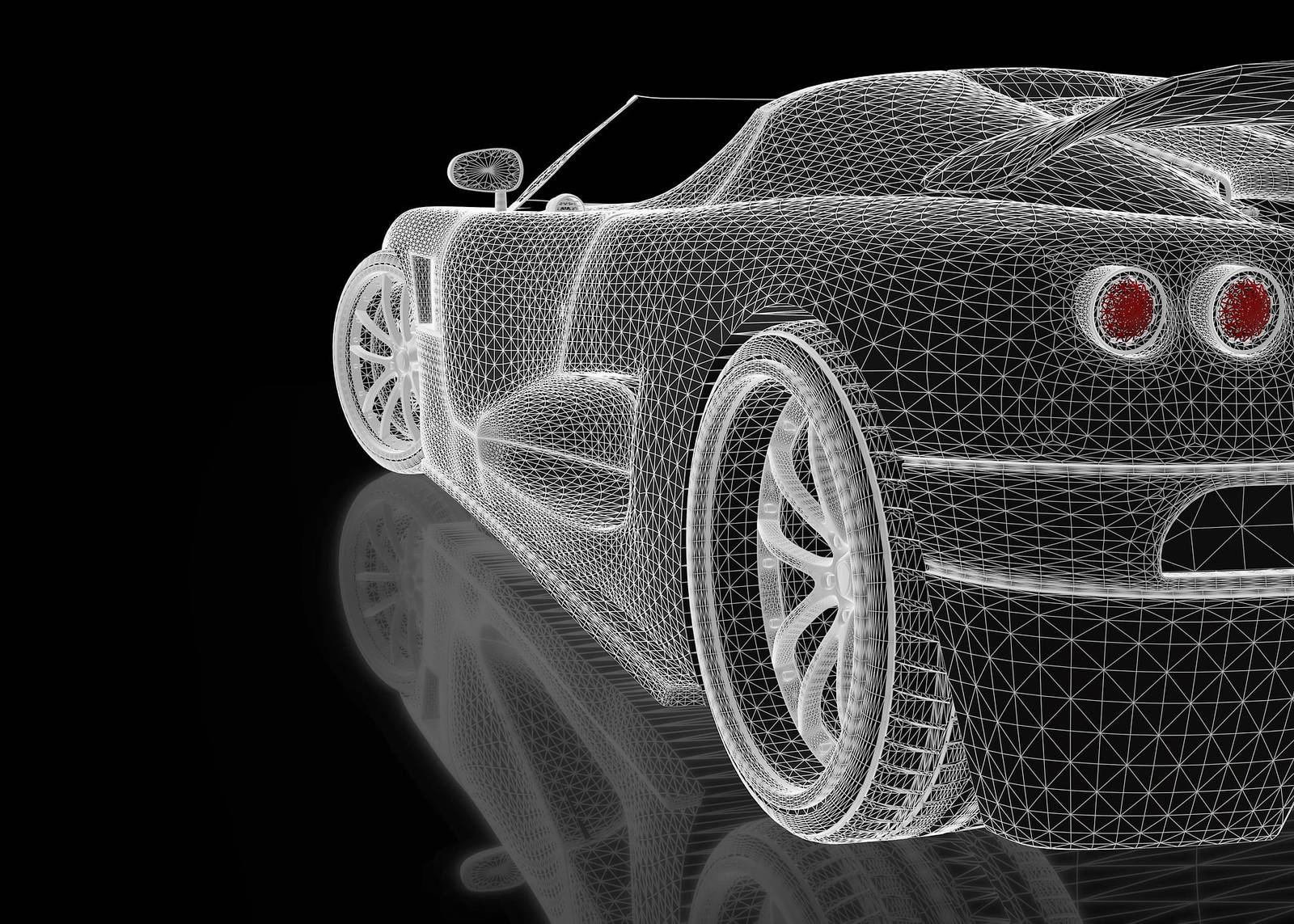
The underside of a car is a mess of jagged metal, exhaust pipes, and suspension arms. When air hits these components at high speeds, it creates massive amounts of turbulence and “drag.”
Think of an underbody shield like the hull of a boat. It creates a smooth surface that allows air to slip underneath the car with minimal resistance. This improves your vehicle’s drag coefficient. For manufacturers trying to meet strict fuel economy standards, these plastic panels can improve highway gas mileage by a measurable percentage.
Component Protection
While plastic shields aren’t “armor” in the way a steel skid plate is on a Jeep, they do provide a vital barrier against road debris.
Road Salt and Water: They prevent salty slush from being sprayed directly onto sensitive electrical connectors, oxygen sensors, and aluminum engine parts.
Small Stones: They deflect gravel that could otherwise chip your oil pan or nick a rubber belt.
Corrosion Prevention: By keeping the engine bay drier, they help slow down the oxidation of metal components.
Thermal Management and Cooling
It might seem like a shield would trap heat, but it is often designed to do the opposite. Many belly pans feature “NACA ducts”—small, specifically shaped scoops that create high-pressure and low-pressure zones. This airflow is carefully directed to cool the alternator, the transmission, or the oil pan while the car is in motion.
The Pros and Cons of Removing Underbody Shields
If you are considering removing yours permanently, it is important to weigh the immediate convenience against the long-term mechanical effects.
The Benefits of Removal
Easier Maintenance: You no longer have to struggle with plastic fasteners every time you want to change your oil or inspect for leaks.
No More Scraping: You eliminate the risk of the panel catching on a snowbank or driveway and dragging on the road.
Better Visual Inspection: You can see leaks as soon as they start, whereas a shield can often catch and hold oil drips, hiding a problem until it becomes a major failure.
The Risks of Removal
Increased Road Noise: These panels act as sound deadening. Without them, you will hear much more “road hum” and the sound of pebbles hitting the underside of your car.
Decreased MPG: You may notice a slight drop in your highway fuel efficiency due to increased aerodynamic drag.
Belt and Pulley Wear: In the winter, snow and slush can be thrown directly into your serpentine belt. This can cause the belt to slip or even pop off, leaving you without power steering or an alternator.
Wiring Vulnerability: Exposed wiring harnesses are more likely to suffer from “green crusty” corrosion caused by road salt.
Troubleshooting Common Underbody Shield Issues
Most people want to remove their shields because they are damaged. Before you toss it in the trash, consider these common fixes.
The Sagging Shield
If your belly pan is hanging low, it is usually because the “push-pin” clips have fallen out. These are cheap. You can buy a box of 100 assorted automotive clips online for less than the price of a movie ticket. Replacing the missing clips usually solves the sagging problem instantly.
The Flapping Sound
If a portion of the shield has cracked or the bolt holes have “wallowed out,” you can use “fender washers” (large, flat metal washers) to provide more surface area for the bolt to grip. This is a common and effective “pro-mechanic” trick to save a damaged panel.
The “Ziptie” Solution
If the plastic mounting tabs on the bumper have snapped, heavy-duty zipties are a legitimate repair. They are strong, heat-resistant, and can hold a shield in place for years if installed correctly.
Is it Ever Okay to Leave it Off?
There are certain scenarios where removing the shield is acceptable, though still not ideal.
Older Vehicles in Dry Climates
If you drive a fifteen-year-old car in a desert environment like Arizona, the risk of moisture-related corrosion is low. In this case, the aerodynamic loss is the only real concern.
Frequent Off-Roading (Plastic to Metal Swap)
If you find yourself constantly breaking the plastic shield because you drive on rough forest roads, the solution isn’t to leave it off—it is to upgrade. Many aftermarket companies make aluminum or steel “bash plates” that replace the plastic shield with something that can actually take a hit.
Emergency Situations
If your shield is dragging on the highway and you are 200 miles from home, it is perfectly safe to remove it on the side of the road to continue your journey. The car will not overheat or break immediately. Just be sure to inspect the engine bay once you reach your destination.
Engineering Over Convenience
In the world of automotive repair, the “Corner Wrench” philosophy is usually to keep the car as close to factory specifications as possible. Those plastic shields might be a nuisance during an oil change, but they play a silent, vital role in protecting your car’s longevity and efficiency.
Before you decide to leave that panel in the corner of your garage, try a few new clips or a handful of zipties. Your alternator, your serpentine belt, and your gas card will thank you in the long run.