
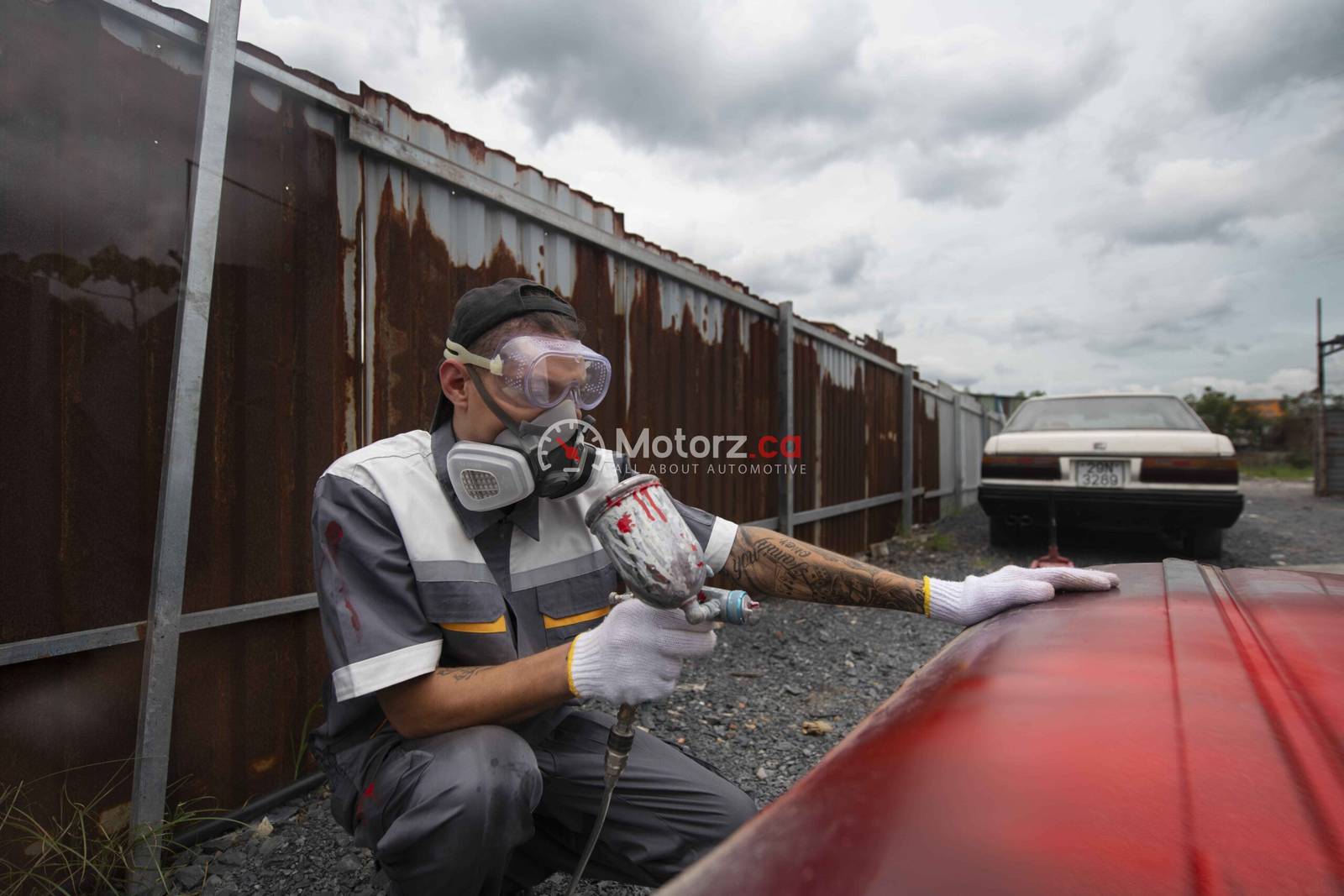

If you Rust-Proofing in Ottawa, you know the routine: the first hint of freezing rain or snow, and the city’s fleet is out, liberally coating every road and bridge with the white, gritty salvation we all know as road salt. It keeps us safe, preventing countless accidents and keeping the capital moving through the worst of winter.
But while we thank the salt for our Rust-Proofing in Ottawa, our vehicles silently suffer. Every ounce of that life-saving sodium chloride, mixed with moisture and air, becomes a relentless, invisible enemy to your car’s metal structure—a process known as corrosion.
Here in the National Capital Region, this isn’t just a concern; it’s a crisis. Ottawa holds the unfortunate distinction of being one of the heaviest users of road salt in Canada, laying down an average of over 150,000 metric tonnes each winter. That translates directly into accelerated decay for our vehicles.
So, for the Ottawa driver, the annual question looms: Is rust-proofing truly necessary for a modern car, or is it just an expensive up-sell? Does the yearly cost of an oil spray justify the long-term protection? This definitive, 2000-word guide dives deep into the science, the economics, and the local reality of rust-proofing in the heart of Canada’s rust belt.
The Corrosive Reality: Rust-Proofing in Ottawa
To understand if rust-proofing is “worth it,” you must first grasp the magnitude of the threat in Ottawa. This city’s unique geography, weather Rust-Proofing in Ottawa, and de-icing practices create a perfect storm for metal corrosion.
The Chemistry of Road Salt and Rust
Rust is the common name for iron oxide, a result of the chemical reaction between iron (or steel), oxygen, and water. This is called oxidation.
The Accelerator: Pure water, while necessary, is a poor conductor of electricity. However, when you dissolve sodium chloride (road salt) into it, the water becomes a highly conductive electrolyte solution. This salty water drastically speeds up the electrochemical process of corrosion.
The Freeze-Thaw Cycle: Ottawa’s Rust-Proofing in Ottawa is characterized by constant fluctuations in temperature, known as freeze-thaw cycles. Salt brine is most effective—and thus most corrosive—right around the freezing point (0
C). When your car is covered in this brine and parked in a heated garage (a common habit in Ottawa), the accelerated rusting process works overtime.
Ottawa’s High Volume and The Hidden Damage
The sheer volume of salt used by the City of Ottawa means your car is continuously exposed to this electrolyte solution. It’s not just the visible salt spray; it’s the microscopic salt residue that adheres to the underside of your car, hiding in crevices, seams, and joints.
Inside-Out Corrosion: Up to 90% of serious rust Rust-Proofing in Ottawa on a vehicle starts from the inside of a panel or structure. Road salt solution is flung up into the internal cavities of fenders, doors, and rocker panels through drainage holes and seams. Once inside, it settles, dries, and reactivates every time the car heats up or gets wet, relentlessly attacking the metal where factory protection is often thinnest.
Mechanical & Electrical Threat: The damage isn’t just cosmetic. Rust attacks:
Brake lines and calipers (critical safety components).
Suspension components (control arms, struts) that can seize up.
Exhaust systems (leading to premature replacement).
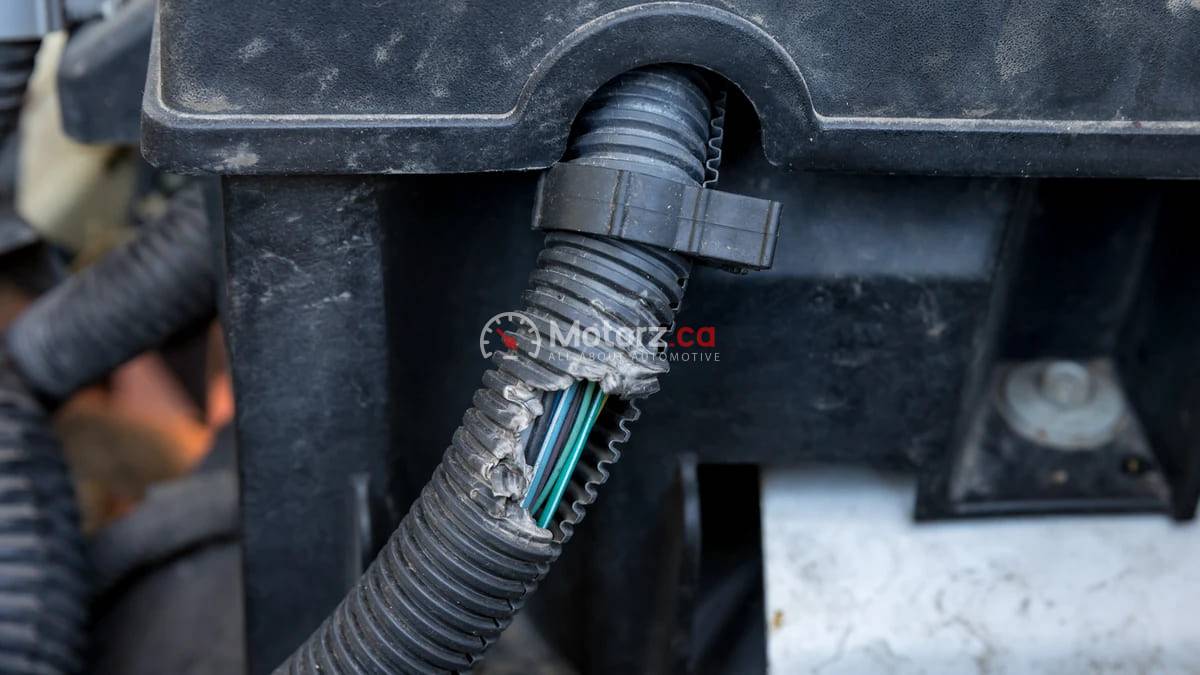
Electronic sensors, connectors, and wiring harnesses that are now integral to modern vehicle safety systems.
For an Ottawa driver, rust is not a Rust-Proofing in Ottawa of if, but when, and how quickly it progresses.
The Modern Vehicle Myth: Do New Cars Really Need Protection?
Many drivers with new vehicles, fresh off the dealer lot, are told that modern anti-corrosion technology makes rust-proofing obsolete. This is a half-truth that can cost you thousands.
Manufacturer Warranties vs. Ottawa Reality
It is true that modern vehicles are built with much better rust protection than their predecessors from the 80s and 90s:
Galvanization: Most modern body panels are made from Rust-Proofing in Ottawa steel, which has a protective zinc coating.
Warranties: Manufacturers offer rust perforation warranties, often lasting 5 to 10 years.
However, these warranties only cover perforation (rust that has fully rusted through the body panel). They do not cover surface rust, nor do they often cover the internal structural components, the sub-frame, or the engine bay accessories—all the areas where Ottawa’s salt does the most damage.
Furthermore, the manufacturing process—Rust-Proofing in Ottawa, bending, and shaping the metal—damages the protective galvanization in critical areas like seams and spot welds, leaving the raw steel exposed to the highly corrosive salt brine.
Comparing Rust-Proofing Methods Available in Ottawa
Not all rust-proofing products are created equal. Ottawa consumers generally choose between three main types of application, each with distinct pros and cons.
Annual Drip-Oil Sprays (e.g., Krown, Rust Check)
This is the dominant and most recommended method in the Ottawa area.
How it Works: A light, petroleum or lanolin-based Rust-Proofing in Ottawa oil is applied under high pressure to the vehicle’s entire undercarriage, suspension, and most importantly, sprayed directly into body panels, doors, hood, and trunk via small access holes (which are usually drilled).
The Key Advantage: Creeping and Penetration: The oil remains wet and creeps over time, flowing into seams, spot welds, and micro-cracks where moisture is trapped. It actively displaces the salt-water solution, neutralizing the corrosive process.
Pro: Highly effective at getting into internal body cavities; excellent for fighting existing corrosion; environmentally safer (many modern formulas).
Con: Messy. It drips for a day or two after Rust-Proofing in Ottawa; requires an annual re-application to maintain effectiveness.
Cost: Generally $120 – $180 CAD per year, depending on the vehicle size.
Annual Dripless/Wax-Based Treatments (e.g., Corrosion Free)
A popular alternative to the messy drip oil, this product often starts as a liquid but thickens to a protective gel or wax barrier.
How it Works: Similar application process to oil, but the compound is thicker and designed to be cleaner. It still penetrates seams but then forms a more adhesive, waxy coating.
Pro: No dripping or mess; excellent for Rust-Proofing in Ottawa who park exclusively in heated, pristine garages.
Con: Requires application when the vehicle is perfectly clean and dry; some formulas are less effective at creeping into the tightest seams over time, though modern versions have improved.
Hard/Tar-Based Undercoatings (The Dealer Upsell)
These are often applied at the dealership or by less reputable shops, and most Canadian automotive experts advise against them.
How it Works: A thick, black, rubberized or tar-like substance is sprayed onto the undercarriage to create a permanent, hard barrier.
The Critical Danger: Trapped Moisture: The Rust-Proofing in Ottawa coating is easily chipped by stones and debris on Ottawa’s roads. Once chipped, water and salt solution seep underneath the coating, where the hard barrier traps the moisture and salt against the bare metal, accelerating the corrosion process.
Pro: Looks clean and aesthetically pleasing initially; is a one-time application.
Con: Destructive in the long term; impossible to inspect the metal beneath; can crack and trap corrosive agents; very difficult to remove.
The Consensus: For Ottawa’s aggressive road salt environment, the annual oil-based application is overwhelmingly favoured for its ability to Rust-Proofing in Ottawa and self-heal, ensuring continuous protection in all the hidden areas.
The Financial Breakdown: Cost vs. Benefit
The most common hesitation is the annual cost. Does $150/year really save you money in the long run? The answer, when dealing with Ottawa’s high salt use, is a resounding yes.
Lifetime Cost of Prevention
Let’s assume an Ottawa driver keeps a mid-sized sedan for 12 years and pays an average of $150 annually for rust-proofing:
Total Cost of Rust-Proofing=$150/year×12 years=$1,800 CAD
Cost of Rust Repair and Component Failure
Without rust-proofing, the potential repair costs during years 8-12 can easily dwarf the preventative cost:
Exhaust System Replacement: $500 – $1,500 (Premature failure due to corrosion).
Brake Line Replacement: $800 – $2,000 (A safety critical failure often caused by rust).
Suspension Component Seizure: $300 – $1,000 (Per component, often necessary for simple maintenance like alignment).
Body Panel Repair: $500 – $1,500 (For cosmetic bubbling on rocker panels or wheel wells).
The Calculation: A single major rust-related repair (like rusted-through brake lines or a seized control arm requiring replacement) can cost more than the entire 12-year preventative cost. Rust-proofing pays for itself by reducing these expensive, non-warranty-covered mechanical failures.
The Resale Value Multiplier
A vehicle with a clean, rust-free Rust-Proofing in Ottawa and unblemished body panels (especially crucial around the Ottawa River where buyers are highly educated about rust) will command a significantly higher trade-in or resale value.
For an 8 to 10-year-old vehicle, a rust-free appearance can add $1,000 to $3,000 to its market price compared to a comparable vehicle showing significant corrosion.
A documented history of annual rust-proofing (Krown or Rust Check receipts) serves as verifiable proof of meticulous maintenance, making the vehicle far more attractive to a discerning used-car buyer in the National Capital Region.
When factoring in the avoided repair costs and the increased resale value, the annual $150 fee is clearly an investment, not an expense.
Practical Tips for Maximizing Protection in Ottawa
Simply getting an annual spray is a great start, but savvy Ottawa drivers take a few extra steps to ensure their investment is fully protected against the city’s harsh climate.
Timing is Everything: The Fall Rush
The best time for an oil spray is in the early fall (September to October), before the salt trucks hit the road.
Creepage Time: Applying the oil when the weather is still warm allows the product to creep further and more effectively penetrate tight seams before the cold weather thickens it.
Dry Metal: It is crucial that the vehicle is as Rust-Proofing in Ottawa as possible during the application. Fall provides the best conditions for the application shop to ensure the metal is free of moisture.
Washing and Aftercare
Despite common myths, washing your car in winter is helpful, even with rust-proofing.
Neutralizing the Salt: While the oil spray works to Rust-Proofing in Ottawa and neutralize the salt, regular washing (especially the undercarriage) removes the build-up of abrasive salt and grime that can physically wear down the protective coating. Focus on a warm-water undercarriage wash on milder days.
The Heated Garage Paradox: Parking in a Rust-Proofing in Ottawa garage speeds up rust formation. If you have one, ensure your car is as clean as possible before parking it inside after driving on salted roads. The warmth and humidity are prime conditions for corrosion.
Checking Your Body Panels
Pay special attention to common rust spots on older Ottawa vehicles:
Rocker Panels: The sills under the doors.
Wheel Arches/Fenders: Where salt spray is Rust-Proofing in Ottawa most intensely.
Door and Hood Edges: Look closely at the inner folds and seams.
If you see rust forming, a quality annual Rust-Proofing in Ottawa spray can often slow or stop its progression, but only if applied promptly and consistently.