



You are Steering Problems Solved down a familiar road when suddenly, the steering wheel feels a little “off.” Maybe it is a slight vibration at high speeds, a strange groaning sound when you turn into a parking spot, or a nagging pull toward the shoulder of the road. Your first instinct is likely: “Is it normal for my steering to do that?”
The short answer is usually no. Your steering system is designed to be smooth, quiet, and predictable. When it starts acting up, it is communicating with you. Understanding that language is the difference between a simple fluid top-off and a catastrophic mechanical failure on the highway.
In this comprehensive guide, we will break down the most common steering symptoms, explain what causes them, and help you decide when it is time to visit a mechanic.
Why Your Steering System Matters
Before we dive into the symptoms, it is helpful to understand what is happening under the hood. Most modern vehicles use a rack and pinion system, often assisted by hydraulic power or an electric motor. This system converts the rotational movement of your steering wheel into the linear movement that turns your front wheels.
Because this system involves high-pressure fluids, precision gears, and rubber seals, things can wear out over time. Catching these issues early prevents “cascading failures,” where one bad part ruins three others.
Common Steering Problems Solved and What They Mean
The Steering Wheel Shakes or Vibrates
If your steering wheel feels like a massage chair, you are likely dealing with one of three common issues.
Wheel Imbalance: This is the most common cause. If the vibration starts around 55 or 60 miles per hour, your tires likely need to be balanced. Even a tiny weight discrepancy can cause massive vibrations at high speeds.
Worn Suspension Parts: If the shaking happens over bumps, it might be your tie rod ends or ball joints.
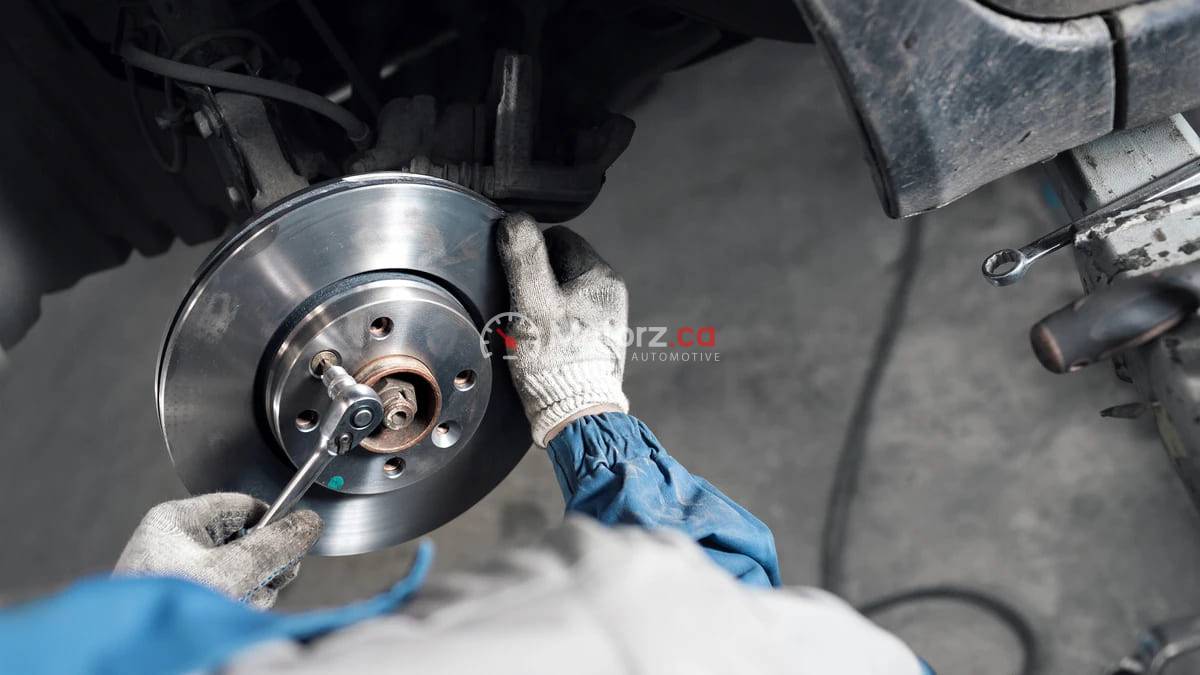
Brake Issues: If the steering wheel shakes specifically when you hit the brakes, you likely have “warped” brake rotors.
The Car Pulls to One Side
You let go of the wheel for a split second on a flat road, and the car immediately drifts toward the ditch. Is this normal? Absolutely not.
Wheel Alignment: This is usually the culprit. Potholes and curbs can knock your wheels out of their precise geometric alignment.
Uneven Tire Pressure: Before spending money at a shop, check your tire pressure. If the front left tire is significantly lower than the right, the car will pull to the left.
Sticking Brake Caliper: A rare but serious cause where the brake on one side stays partially engaged, dragging the car in that direction.
Strange Noises When Turning
Sound is often the first indicator of a failing steering system.
The Whining or Groaning Noise: If you hear a high-pitched whine that gets louder as you turn the wheel, your power steering pump is likely low on fluid or failing.
The Clunking or Popping: This often points to worn-out CV joints or ball joints. If you hear a rhythmic “click-click-click” while making a sharp turn, your CV axle needs replacement.
The Screeching Squeal: A loud screech when you start the car or turn the wheel sharply usually means the power steering belt is loose or worn.
Is My Steering “Heavy” or Hard to Turn?
If it feels like you are wrestling a bear just to turn a corner, you are experiencing “heavy steering.”
Low Power Steering Fluid
This is the “low hanging fruit” of car repair. Power steering systems are closed, meaning they shouldn’t lose fluid. If the level is low, you have a leak. Look for reddish or clear puddles under your car.
Failing Electronic Power Steering (EPS)
Many newer cars use electric motors instead of hydraulic fluid. If your EPS fails, you might see a warning light on your dashboard (usually shaped like a steering wheel). This often requires a computer scan to diagnose.
The “Loose” Steering Wheel: What is Steering Play?
If you can move the steering wheel two or three inches in either direction before the car actually starts to turn, you have “steering play.”
This is dangerous because it delays your reaction time during an emergency maneuver. The cause is usually a worn steering rack or worn tie rod ends. In older vehicles, it could also be a worn steering gear box. You should have a professional inspect this immediately, as a complete disconnection of the tie rod will result in a total loss of steering control.
How to Maintain Your Steering System
Preventative maintenance is significantly cheaper than a full steering rack replacement. Here is how to keep your system healthy:
Check Fluid Levels Regularly: Once a month, check your power steering reservoir. If the fluid looks black or smells burnt, it is time for a flush.
Monitor Your Tires: Keep them inflated to the manufacturer’s recommended pressure. Uneven tires put extra stress on the power steering pump.
Avoid “Dry Steering”: Try not to turn the steering wheel while the car is completely stationary. This puts immense pressure on the steering components. Even a tiny bit of rolling movement makes the turn much easier on your car.
Listen to Your Car: Don’t ignore small sounds. A 20-unit bottle of fluid today can save you from a 1,000-unit repair bill next year.
When Should You See a Mechanic?
While checking your tire pressure or fluid levels is a great DIY start, steering is a critical safety system. You should seek professional help if:
The “Power Steering” warning light illuminates.
You hear a loud metal-on-metal clunking sound.
The car becomes physically difficult to steer.
The steering wheel is off-center when you are driving straight.
Your car shouldn’t be a mystery. If you find yourself asking, “is it normal for my steering to do that?” the answer is almost certainly “no.” By staying alert to changes in vibration, sound, and resistance, you can catch steering issues while they are still manageable. Safety starts at the steering wheel—don’t let a small wobble turn into a big problem.