
You walk out to your Protect Your Protect Your Vehicle on a quiet morning, turn the key in your ignition, and are immediately met with a deafening, tractor-like roar. Your heart sinks. You don’t need to be a mechanic to know that something is terribly wrong. You peer under the chassis and see a gaping hole where a vital component used to be.
You have just become the latest victim of a crime sweeping the nation. But as you are about to find out, a stolen catalytic converter will cost more than you would think. While the part itself is expensive, the “hidden costs” of this theft—ranging from secondary mechanical damage to skyrocketing insurance premiums—can turn a 1,000-unit problem into a 5,000-unit disaster. In this comprehensive troubleshooter guide, we will explore why these parts are targeted, the total financial impact of theft, and the most effective ways to shield your car from thieves.
What Is a Protect Your Vehicle and Why Is It Being Stolen?
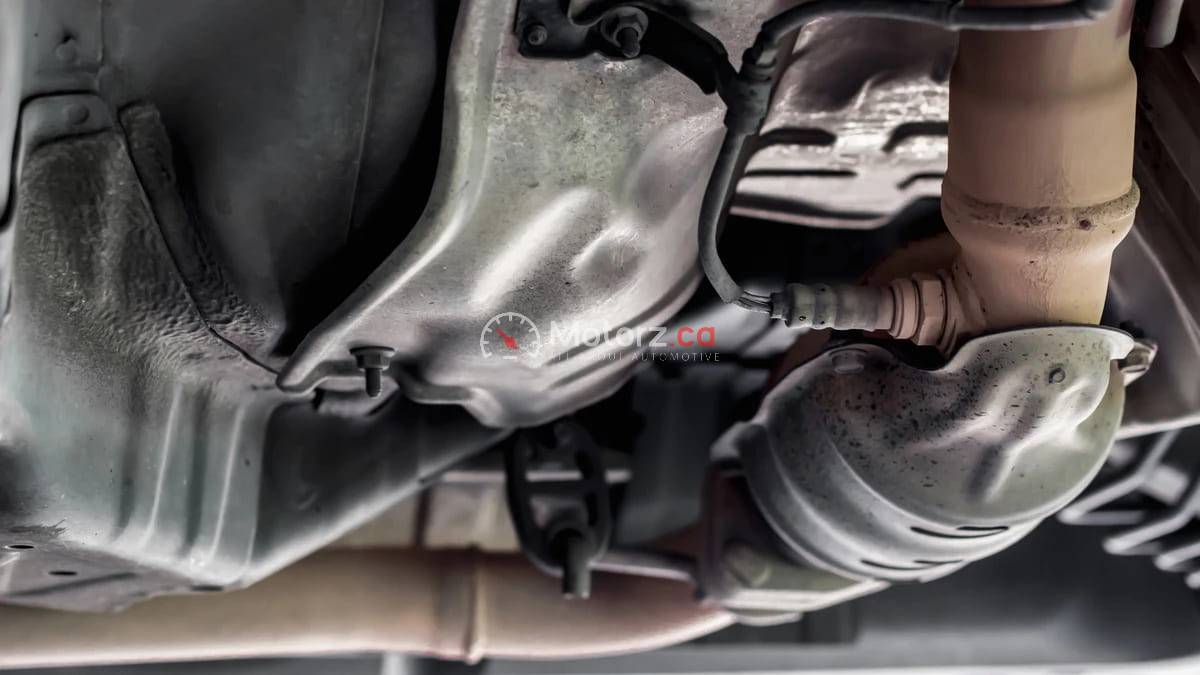
To understand the theft, you have to understand the Protect Your Vehicle. A catalytic converter is an emissions control device located in your exhaust system. Its job is to convert toxic gases (like carbon monoxide) into less harmful substances through a chemical reaction.
The Precious Metals Inside
Thieves aren’t stealing these for the scrap steel. They want the precious metals used as catalysts inside the honeycomb structure of the device. These include:
Rhodium: Often more valuable than gold per ounce.
Palladium: Highly sought after for industrial use.
Platinum: A stable, expensive metal used in almost all converters.
Because these metals have surged in value on the global market, a thief with a battery-powered saw can remove your converter in less than 60 seconds and sell it to a shady scrap yard for a few hundred units of currency.
The True Cost of Theft: Breaking Down the Bill
Most victims assume they just need to buy a new part. Unfortunately, the math is rarely that simple.
The Part Replacement Cost
A new, Original Equipment Manufacturer (OEM) catalytic converter can cost anywhere from 800 to 2,500 units depending on your vehicle. While aftermarket versions are cheaper, they are often illegal in states with strict emissions laws (like California or New York) because they don’t scrub the air as effectively as factory parts.
Collateral Damage Repairs
Thieves are in a rush. They don’t use wrenches; they use saws. In the process of hacking out the converter, they often slice through:
Oxygen Sensors: These are wired directly into or near the converter and cost 150 to 300 units each.
Wiring Harnesses: If a thief cuts your engine’s electrical wires, repair costs can skyrocket.
Fuel Lines and Brake Lines: A stray saw blade can nick these lines, creating a fire hazard or a loss of braking power.
Labor and Installation
Exhaust work is hot, dirty, and physically demanding. Welding a new unit into place or replacing the entire manifold can add 300 to 800 units in labor costs at a professional shop.
The “Invisible” Costs
Rental Cars: Because of supply chain issues, some converters are on backorder for weeks. You may have to pay for a rental car while yours sits in the shop.
Insurance Deductibles: Even if your insurance covers the theft, you will likely have to pay a 500 or 1,000-unit deductible.
Decreased Resale Value: A car with a patched-together exhaust system may be worth less when it comes time to trade it in.
Which Vehicles Are Highest Risk?
Thieves are strategic. They look for cars that offer the “best return on investment” for their 60 seconds of work.
Hybrid Vehicles (The Toyota Prius)
Hybrids are the top target. Because the gasoline engine only runs part of the time, the catalytic converter stays “cleaner” and retains more of its precious metals than a standard internal combustion engine.
High-Clearance Trucks and SUVs
If a thief can slide under your vehicle without using a jack, you are at higher risk. Trucks like the Ford F-150 or Toyota Tundra are frequent targets because the thief can get in and out in seconds without being seen.
Luxury Brands
Brands like Lexus and BMW often use higher concentrations of rhodium and palladium to ensure their engines meet ultra-low emission standards.
How to Prevent Catalytic Converter Theft
Since the cost of replacement is so high, “target hardening” is your best defense. You want to make your car look like too much work for a thief.
Install a Protection Device
There are several physical barriers you can bolt onto your car:
Cat-Shields: These are aluminum or stainless steel plates that cover the exhaust system.
Steel Cables: Devices like the “CatClamp” wrap the converter in aircraft-grade wire rope that is incredibly difficult to cut with a saw.
Rebar Welding: Some owners have local muffler shops weld pieces of hardened steel rebar along the exhaust pipes to slow down a thief’s blade.
Mark Your Territory
Engrave your vehicle’s VIN (Vehicle Identification Number) directly onto the metal of the converter. You can also paint it with high-heat bright orange spray paint. A scrap yard is much less likely to buy a part that is clearly marked as stolen and traceable to a specific police report.
Smart Parking Habits
Garage It: If you have a garage, use it. A thief won’t break into a house just for a converter.
Lighting: Park in well-lit areas. Motion-sensor lights are a great deterrent for driveways.
Fleet Parking: If you have multiple cars, park the lower-clearance cars around the higher-clearance trucks to block access to the undercarriage.
What to Do If Your Converter Is Stolen
If you are a victim, your actions in the first hour are critical.
Do Not Drive the Car: Without a converter, your car is venting hot, toxic gases directly under the cabin. This is a fire risk and a carbon monoxide hazard. Have the car towed.
File a Police Report: You will need this for your insurance claim and to help local law enforcement track theft “hot spots.”
Call Your Insurance Agent: Catalytic converter theft is typically covered under Comprehensive Insurance. If you only have “Liability” or “Collision” coverage, you will unfortunately have to pay for the entire repair yourself.
Check for Secondary Damage: Ensure the mechanic inspects the oxygen sensors and nearby fuel lines for saw nicks.
Frequently Asked Questions
Can I drive without a catalytic converter?
Technically, the car will run, but it will be incredibly loud, will fail any emissions test, and will likely trigger a “Limp Mode” in your engine’s computer, causing poor performance and bad gas mileage. It is also illegal in most jurisdictions.
Does a car alarm stop thieves?
Standard car alarms usually only trigger if a door is opened or glass is broken. To stop converter thieves, you need an alarm with a tilt sensor that goes off when the thief jacks up the car.
Why doesn’t the manufacturer make them harder to steal?
Manufacturers prioritize engine efficiency and weight. However, due to the rise in theft, some newer models are moving the converter into the engine bay where it is much harder to reach.
An Ounce of Prevention
A stolen catalytic converter is more than an inconvenience; it is a significant financial blow that can sideline your vehicle for weeks. When you factor in the parts, the labor, the damage caused by the thief’s saw, and the potential for increased insurance rates, the value of prevention becomes clear.
By investing in a shield, parking strategically, and marking your part, you make your vehicle a “hard target.” In the world of petty crime, thieves always look for the easiest path. Don’t let your car be their next paycheck.