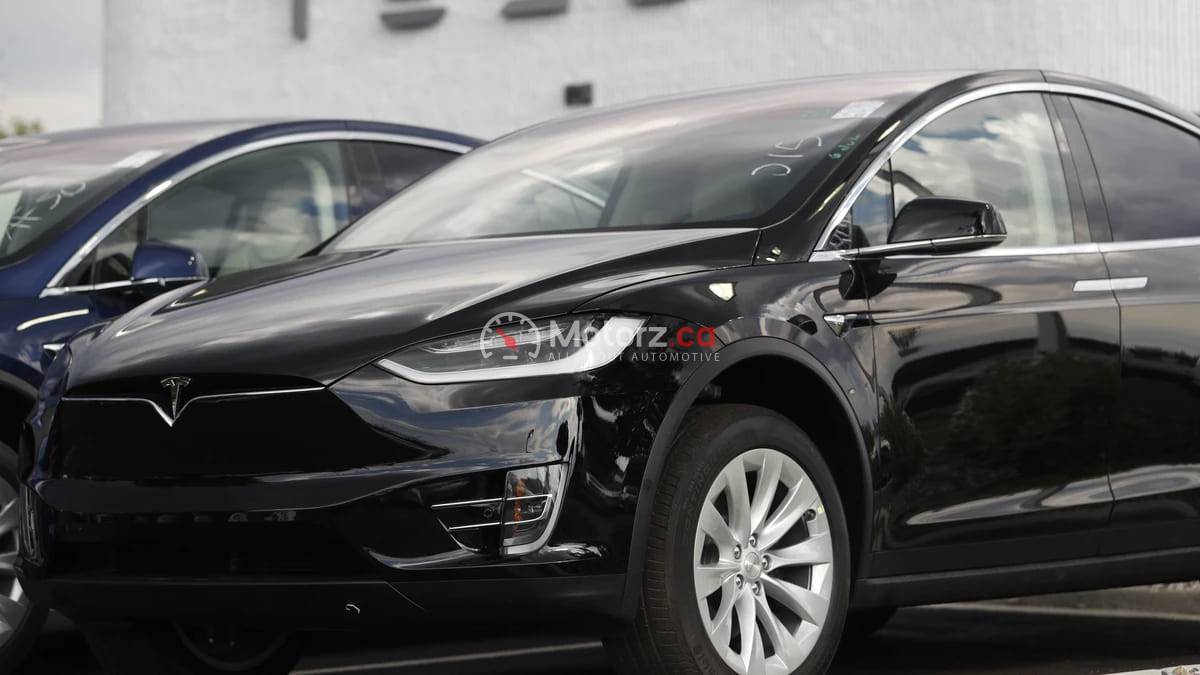
For Tesla Steering Safety Alert, the luxury of “Ludicrous Mode” and falcon-wing doors has recently been met with a more grounded reality: a localized safety recall. Tesla has officially flagged a power steering failure risk affecting 843 Model X units across the country. In a nation known for its harsh winters and heavy road salt usage, this mechanical “sore spot” is more than just a minor glitch; it is a critical safety matter that specifically targets the durability of Tesla’s engineering in extreme climates.
While many Tesla recalls are resolved through seamless over-the-air (OTA) software updates, this specific issue is a physical one. It involves the very hardware that allows you to maneuver a 5,000-pound SUV with a single finger. In this edition of our safety deep-dive, we are looking at the mechanical root cause of the Tesla steering recall, the specific dangers posed by Canadian road salt, and exactly how Tesla plans to fix the 843 affected vehicles in 2026.
The Tesla Steering Safety Alert: Aluminum Bolts and Corrosion
The heart of this recall lies in the assembly of the power steering gear. The Model X uses an Electronic Power-Assisted Steering (EPAS) system, where a motor provides the “muscle” to turn the steering rack.
The Vulnerable Component
In the affected 843 vehicles, the bolts that attach the power Tesla Steering Safety motor to the gear housing are made of aluminum. While aluminum is prized for being lightweight, it has a specific weakness when exposed to certain environmental contaminants.
The Failure Mechanism
Over time, these aluminum bolts can undergo severe corrosion. As the corrosion weakens the metal, the bolts can fracture. If these bolts snap:
The steering assist motor can shift or become partially detached.
The internal drive belt that transfers power from the motor to the steering rack may slip or break.
The result is an immediate loss of power steering assist.
Why Canada? The “Salt-Belt” Struggle
This recall is a classic example of “regional engineering challenges.” While a Tesla in California might never face this issue, the 843 vehicles in Canada are at much higher risk due to our winter road maintenance habits.
Calcium and Magnesium Road Salts
In many parts of Canada—from the snowy streets of Montreal to the icy passes of the Rockies—municipalities use aggressive de-icing agents like calcium chloride or magnesium chloride. These salts are far more corrosive than standard table salt (sodium chloride).
The Chemistry of Failure
When these liquid brines splash into the undercarriage of a Model X, they find their way into the crevices around the steering gear. The interaction between the road salt, moisture, and the aluminum bolts creates a perfect storm for galvanic corrosion. Tesla’s investigation found that vehicles operated long-term in these high-corrosion environments were the only ones experiencing bolt fractures.
What Happens During a Power Steering Failure?
It is important to clarify what “failure” means in this context. A loss of power steering assist is not a total loss of steering.
Manual Steering Takeover
If your Model X loses power assist, the mechanical connection between the steering wheel and the front tires remains intact. You can still steer the car, but the effort required will increase significantly.
At Highway Speeds: You might barely notice the difference, as very little assist is needed when the vehicle is moving fast.
At Low Speeds: This is where the danger lies. During parallel parking or tight turns in a parking lot, the steering wheel will become extremely heavy. For some drivers, this sudden increase in physical effort can lead to a low-speed collision or a panicked reaction.
Warning Signs
Before a total failure, some owners have reported:
A “whining” or “grinding” noise when turning the wheel.
A sudden “heaviness” in the steering that comes and goes.
An alert on the 17-inch touchscreen stating “Steering Assist Reduced” or “Power Steering Disabled.”
The Tesla Remedy: A Physical Retrofit
Because this is a hardware failure caused by material science, an OTA update won’t cut it. Tesla is requiring these 843 vehicles to visit a Service Center for a physical upgrade.
Coated Steel Replacements
Tesla technicians will remove the original aluminum bolts and replace them with new, coated steel bolts. Steel is significantly more resistant to the fatigue caused by this type of corrosion.
Corrosion-Preventative Sealer
In addition to the new hardware, Tesla is applying a high-grade corrosion-preventative sealer over the entire motor-to-gear housing junction. This “belt and braces” approach ensures that even if the vehicle continues to be driven in heavy salt environments, the moisture cannot reach the new steel bolts.
What if the Steering Gear is Already Damaged?
If, during the inspection, the technician finds that the bolts are already broken or the housing is compromised, Tesla will replace the entire steering gear assembly at no cost to the owner.
How to Check if Your Model X is Among the 843
With only 843 vehicles affected in this specific Canadian batch, there is a high chance your newer Model X is safe. However, verification is essential for peace of mind.
Check the Build Date: This specific bolt issue primarily affects earlier Model X production runs (mostly those built before mid-October 2016).
The VIN Lookup: Visit the Tesla Canada Recall Search page and enter your 17-digit VIN.
Tesla App Notifications: If your vehicle is affected, you will likely see a notification in the “Service” section of your Tesla smartphone app.
Proactive Safety in 2026
Tesla’s decision to recall these 843 vehicles in Canada is a proactive move to prevent accidents before they happen. While it may be an inconvenience to visit a service center, the replacement of aluminum hardware with salt-resistant steel is a vital upgrade for anyone driving in the Great White North.
If you own an older Model X, don’t wait for the steering to get heavy. Check your VIN, schedule your free retrofit, and ensure your “Car of the Future” is built to handle the road conditions of today.