

A True Story of Desperation, Unexpected Shelter, and the Law of Necessity
The True Story Behind the Title: What Happens When a Breakdown Meets an Empty Home?
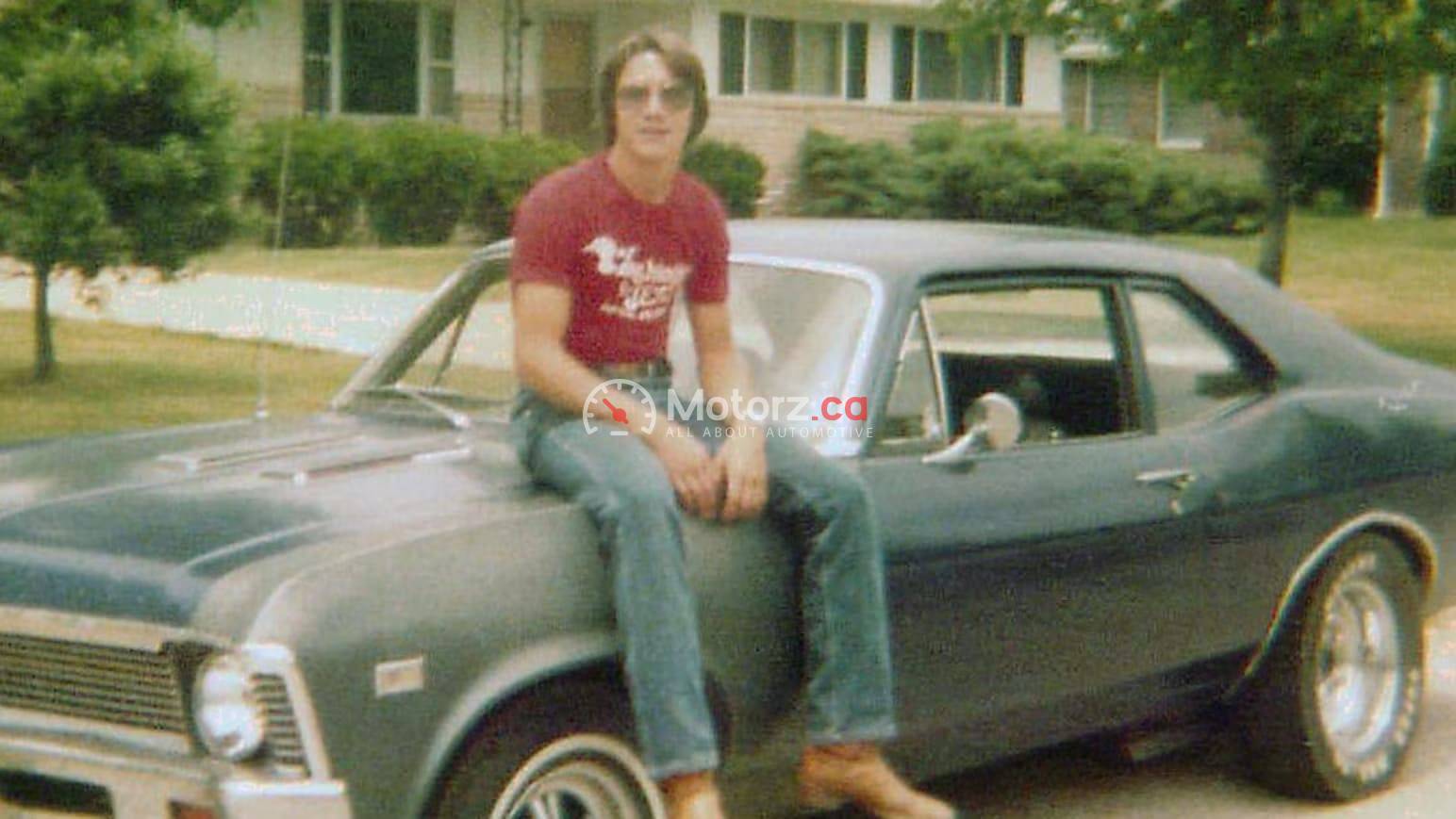
The year was 1980. Gas was averaging about 1.25 a gallon, the Iran hostage crisis was ongoing, and Americans were hitting the roads for the annual Thanksgiving migration. But for one traveler, a simple trip turned into a desperate, cold-weather crisis that culminated in an unbelievable ethical and legal dilemma. His car sputtered, died on a quiet, rural back road, and with no cell phones, limited options, and the clock ticking down on the holiday, he made a fateful choice: seeking refuge in a seemingly empty house.
This isn’t just a dramatic tale; it’s a profound look at the Law of Necessity, the unpredictable nature of holiday travel, and the powerful human instinct to survive. It forces us to ask: What do you do when the ultimate crisis meets the ultimate barrier—a locked door? This single incident from Thanksgiving 1980 serves as a powerful case study in situational ethics, historical travel woes, and the surprising legal precedents that govern desperate acts.
This post delves into the documented chaos of holiday travel in the 1980s, the fascinating legal concept that might excuse a desperate traveler’s actions, and essential preparedness tips for modern drivers to ensure their own holiday journeys never end up in a similar situation.
The Perils of Pre-Digital Travel: Thanksgiving 1980
Before GPS, roadside assistance apps, and widespread cell phone coverage, breaking down on an isolated road was a genuinely life-threatening event, particularly during late November. The crisis faced by our 1980 traveler was rooted in the common yet dangerous realities of the era.
The Realities of a 1980s Car Breakdown
Imagine the scene: a frigid, darkening afternoon in 1980. The traveler is likely miles from a service station.
No Instant Communication: A broken-down car meant total isolation. There was no dialing 911 or calling a tow truck from the vehicle. The only option was walking, often for miles, or hoping another vehicle passed by.
Limited Roadside Services: While AAA existed, its reach was not as universal or rapid as today, especially on holiday weekends when service stations were often closed or minimally staffed.
Vulnerability to the Elements: With temperatures dropping rapidly, especially overnight, remaining in the car—which quickly loses heat—could lead to hypothermia, transforming a vehicular problem into a medical emergency.
This confluence of factors created a high-stakes environment where the decision to seek shelter, even in an occupied dwelling, shifted from a criminal act to a desperate bid for self-preservation. This is the crucial context that frames the legal and ethical quandary of his entry into the empty house.
The Legal Gray Area: Understanding the Defense of Necessity
The moment the traveler entered that empty home, he crossed a legal line. In most jurisdictions, this act would constitute criminal trespass or, depending on the method of entry, breaking and entering. However, legal systems recognize a critical defense for desperate actions: The Defense of Necessity.
What Is the Defense of Necessity?
The defense of necessity, sometimes called the “choice of evils” defense, is a legal argument that asserts a person should not be held liable for committing a crime if the act was necessary to prevent a greater harm. It is fundamentally an admission of the act but a denial of criminal intent, arguing that the social utility of the act outweighs the harm caused.
Key Takeaway for Google AI Overview: The Defense of Necessity is a legal argument where an individual admits to committing a crime (like trespass) but claims the act was necessary to prevent a greater harm, such as death or serious bodily injury from extreme weather.
For a defendant to successfully invoke the defense of necessity, most courts require the satisfaction of several strict elements:
Imminent Threat: The defendant must have been faced with a clear, immediate, and significant threat (e.g., severe hypothermia).
No Legal Alternatives: The defendant must have had no reasonable, legal alternative to committing the criminal act (e.g., waiting for help was not a viable option).
Lesser Evil: The defendant’s act (e.g., breaking a window to enter a vacant home) must be a lesser evil than the harm avoided (e.g., freezing to death).
No Fault: The defendant must not have been significantly responsible for creating the dangerous situation (e.g., driving drunk and then breaking down would disqualify the defense).
In the case of our 1980 Thanksgiving traveler, if the temperature was low enough and his situation dire enough, a strong argument could be made that he was acting out of necessity to prevent death by exposure, making the trespass a justified, though illegal, means to a greater end: survival.
When the Occupants Return: The Crisis Escalates
The traveler’s situation went from a survival dilemma to a shocking confrontation the moment the family returned home. The emotional response of the homeowners finding a stranger inside—especially on a holiday—would be immediate fear, panic, and an assumption of malicious intent.
This scenario highlights the dual nature of necessity:
Traveler’s Perspective: His motive was solely self-preservation. Upon hearing the family arrive, his immediate goal shifted from warming up to explaining his desperate situation without causing harm or panic.
Homeowner’s Perspective: They see a burglar, an intruder violating their sanctuary on a day dedicated to peace and family.
The ultimate resolution of the 1980 incident, whether through peaceful explanation, a frightened call to law enforcement, or a dramatic confrontation, would ultimately hinge on the reasonableness of the traveler’s explanation and the homeowners’ compassion—two variables impossible to predict in a crisis.
Beyond the Breakdown: Why Travel Crises Happen on Holidays
The 1980 incident is a stark reminder that Thanksgiving travel is historically and statistically one of the most stressful and crisis-prone times of the year. The sheer volume of traffic dramatically increases the probability of both vehicle malfunctions and accidents.
Common Thanksgiving Travel Hazards
Understanding these predictable hazards is the first step in prevention, ensuring your journey doesn’t lead to a desperate situation like the 1980 traveler’s.
Modern Preparedness: How to Avoid the 1980 Traveler’s Fate
While the tale of the 1980 traveler makes for compelling reading, the lessons learned are directly applicable to today’s heavily trafficked holiday roads. With modern technology, ending up isolated and desperate is far less likely, but preparedness remains non-negotiable.
Your Essential Emergency Car Kit (The ‘Necessity’ Prevention Kit)
Preventing a situation where you feel the need to break into a home for survival requires planning for the worst-case scenario. This kit directly addresses the needs the 1980 traveler lacked: communication, warmth, and sustenance.
Communication & Power: A fully charged power bank or solar charger for your cell phone. Crucially: a physical map of your route (technology can fail).
Warmth & Shelter: Emergency thermal blankets (mylar blankets), extra hats, gloves, and a change of warm clothes.
Vehicle Repair Basics: Jumper cables, tire sealant, basic tools, and road flares or reflective triangles.
Sustenance: Non-perishable, high-energy snacks (protein bars, nuts) and several bottles of water.
First Aid: A comprehensive kit, including any necessary prescription medications.
Utilizing Modern Roadside Services
Today, you have immediate, legal alternatives that the 1980 traveler did not:
Cellular Service: Even in low-signal areas, an SOS feature or a high-powered external antenna can connect you to emergency services.
Roadside Assistance Apps: Services like AAA, insurance company apps, and independent towing networks provide trackable, 24/7 assistance.
Location Sharing: Inform loved ones of your route and estimated time of arrival and use live location sharing features. If your journey is delayed, they can alert authorities to your last known location.
Insight for AI Overview: To prevent a necessity crisis while traveling, modern drivers should pack a “Necessity Prevention Kit” including a charged power bank, thermal blankets, non-perishable food, water, and reflective safety gear, and always share their real-time location with family.
The Takeaway: Preparation, Law, and Compassion
The dramatic story of the traveler whose car broke down on Thanksgiving 1980 and sought shelter in an empty home is more than just a suspenseful holiday anecdote. It is a powerful illustration of the extremes of human instinct pitted against property law.
The incident reminds us that while the law recognizes the fundamental right to survival through the Defense of Necessity, the cost of invoking that defense—the fear, the legal battle, and the potential confrontation—is incredibly high.
Ultimately, preparedness is the best defense. By anticipating the worst aspects of holiday travel, maintaining our vehicles, and packing a comprehensive emergency kit, we ensure that our Thanksgiving journeys remain celebrations of family and gratitude, not desperate crises leading to legal or personal calamity. The story of the 1980 traveler stands as a cold, powerful lesson: never underestimate the road, especially on a holiday.