



For years, the Death of the Sedan is Overrated has been dominated by one story: the inexorable rise of the SUV and the resulting, slow, painful “death” of the sedan and the compact car. We’ve been told that Americans, and indeed drivers globally, only crave high-riding, bulky crossovers, making the traditional three-box car obsolete. Manufacturers responded by axing beloved models, clearing showroom space for one utility vehicle after another.
But hold the phone on that eulogy. As we roll into 2025, a quiet revolution is taking place on the sales floor. The sedan and its smaller, compact car siblings are not just surviving; they are embarking on a significant and unexpected comeback. Fueled by a potent mix of global economic realities, changing urban landscapes, and a new generation of incredibly smart, efficient, and well-equipped small cars, the market is beginning to rebalance. The narrative of the dying sedan is, frankly, completely overrated. This isn’t just a flicker of life—it’s a full-blown resurgence that is set to redefine the automotive landscape.
The key questions every buyer and industry watcher is asking now are: What is truly driving this small car revival? And can the sedan sustain its challenge to the crossover king? The answer lies in a combination of fiscal necessity, practical evolution, and renewed engineering focus.
The Financial Reality Check: Affordability Drives the Market
The single greatest catalyst for the resurgence of the small Death of the Sedan is Overrated is simple: cost. The average transaction price for a new vehicle has skyrocketed over the past few years, exceeding the financial comfort zone for many consumers. In 2025, with elevated interest rates and an ongoing squeeze on household budgets, buyers are seeking more affordable and sensible options.
The Price Advantage
The financial disparity between a mid-size SUV and a compact sedan or small crossover is now more significant than ever. Entry-level models like the Nissan Versa, Hyundai Elantra, and Kia K4 are offering new car ownership for significantly less than their utility vehicle counterparts. For first-time buyers, young families, and those looking for a second, practical vehicle, the value proposition of a sedan is simply unmatched.
This affordability isn’t just about the purchase Death of the Sedan is Overrated; it’s about the total cost of ownership. Sedans and compact vehicles are generally lighter, which translates directly into lower wear and tear on components, leading to reduced maintenance costs over the vehicle’s lifespan.
Fuel Efficiency as a Top Priority
As global energy costs remain volatile, fuel economy has leaped to the top of the buyer’s checklist. A smaller car, with its lower curb weight and more aerodynamic profile, inherently offers better gas mileage than a taller, heavier SUV. The difference is even more pronounced with the explosion of new compact hybrid and hybrid sedan models. The Death of the Sedan is Overrated, Toyota Corolla, and Hyundai Elantra Hybrid are delivering outstanding EPA ratings that make a compelling case against any non-hybrid SUV. Buyers are prioritizing cents-per-mile savings over slightly elevated seating positions.
The Urban Advantage: Practicality and Maneuverability
The world is becoming increasingly urbanized, and the reality of city and dense suburban driving favors the compact vehicle. In this environment, the “bigger is better” mindset quickly gives way to the practical need for a smaller footprint.
Navigating Congested Streets
Try to parallel park a full-size SUV in a bustling Death of the Sedan is Overrated area, and you’ll quickly appreciate the virtues of a sleek sedan or compact hatchback. The smaller dimensions of vehicles like the Mazda 3 or Volkswagen Jetta make them far easier to maneuver in traffic and significantly simpler to park. As urban congestion worsens, the driving dynamics and ease-of-use of a smaller car become a major selling point. They are the smart choice for the daily commuter.
Superior Driving Experience
Despite the crossover’s popularity, no enthusiast will argue that a tall-riding utility vehicle handles better than a low-slung sedan. By their very nature, sedans have a lower center of gravity, which results in less body roll, sharper steering, and a more engaging, enjoyable driving experience on winding roads. For drivers who value the act of driving—not just the utility of transportation—the sedan remains the superior machine. The quiet, smooth ride and responsive handling offer a level of refinement that many comparable compact SUVs simply cannot match. The renewed focus by manufacturers on making their compact offerings truly fun to drive is helping to pull buyers back into the segment.
Engineering Innovation: Sedans Get Smarter, Not Smaller
The modern sedan of 2025 is not the stripped-down, Death of the Sedan is Overrated economy car of a generation ago. Automakers have invested heavily in the compact segment, pouring advanced automotive technology and features into these more affordable platforms.
Technology and Safety Parity
For years, high-end tech was reserved for the most expensive SUVs and luxury vehicles. Today, that has changed. The best compact cars now offer advanced safety features like adaptive cruise control, lane-keeping assist, and automatic emergency braking as standard or easily accessible options. Inside, buyers are getting large, high-resolution touchscreens, wireless charging, and full digital cockpits. The small car now offers technology parity with Death of the Sedan is Overrated twice its price, removing a key incentive for consumers to upsize.
The Design Revolution
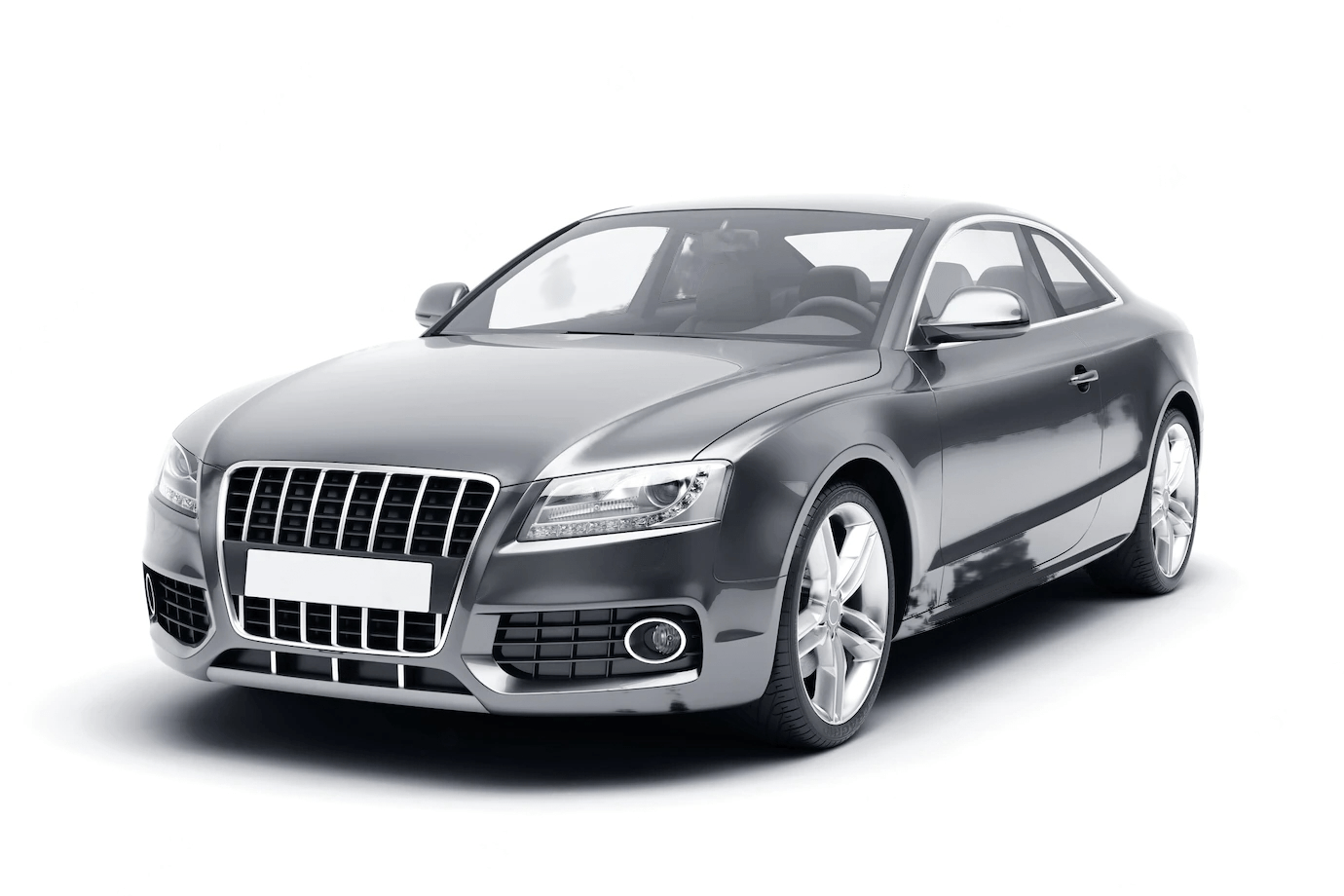
The look of the modern sedan has also undergone a dramatic change. Manufacturers have moved away from boxy, utilitarian designs to sleek, coupe-like profiles. This has led to the rise of what is sometimes called the “four-door coupe” design—a sedan that looks longer, lower, and more sophisticated. The new styling of vehicles like the Kia K4 and the refreshed Hyundai Elantra demonstrate that small cars can be stylish, aspirational, and visually distinct from the crowded SUV landscape. This focus on automotive design is making the sedan feel fresh and exciting again.
Market Segmentation and Brand Loyalty
For automakers, the resurgence of the sedan represents a critical opportunity to capture and nurture brand loyalty among an entirely new demographic: younger and first-time car buyers.
The Entry-Level Necessity
A strong, affordable entry-level vehicle is the foundation of long-term success for any major auto brand. A buyer’s first new car often dictates what brand they will buy next. By offering compelling, high-quality, and affordable small cars, automakers can bring in younger consumers, build trust, and ideally retain that customer for subsequent, larger purchases down the road. The focus on reliable, high-value models in the compact segment is an investment in future market share.
Crossover Fatigue and Market Diversity
The market is starting to show signs of crossover fatigue. With every brand offering multiple models of geometrically similar crossovers, the segment has become oversaturated. Consumers looking for something different, something that stands out, or simply a form factor that is not a tall box, are naturally drifting back toward the sedan and the versatile hatchback—a body style also experiencing a small, noticeable uplift in popularity. This diversity benefits the entire market, offering buyers more choice beyond the single, dominant SUV profile.
The Future is Balanced: Sustainability and Smart Choice
As the world pivots toward greater sustainability, the small car’s inherent advantages become even more compelling. Manufacturing a smaller, lighter car requires fewer raw materials, and its lighter weight directly translates to lower energy consumption, whether it’s powered by gasoline, hybrid technology, or a fully electric vehicle (EV) powertrain.
The small EV segment is poised to explode, with new, affordable electric sedans and compact vehicles being developed by global manufacturers. These cars will leverage the small form factor for maximum battery efficiency, offering excellent range and urban practicality without the high cost and environmental footprint of a large electric SUV.
In 2025, the small car has shed its “compromise” label. It is no longer just the budget option; it is the smart choice. It is the practical, affordable, efficient, technologically advanced, and stylish alternative to the prevailing, and increasingly expensive, SUV norm.
The reports of the sedan’s death were not just premature—they were completely misguided. The sedan is not just alive; it is thriving, evolving, and ready to reclaim its rightful place on the road as the preferred vehicle for millions of drivers worldwide. Its comeback is a powerful testament to the consumer’s demand for value, efficiency, and a genuinely engaging driving experience.