


The Policy Powerhouse: How BC Led the Way
For a revolution to take Future is Electric, it must be supported by a strong foundation of policy. British Columbia has built one of the most comprehensive legislative frameworks in the world to support the transition to electric transportation.
The Zero-Emission Future is Electric Mandate
In 2019, British Columbia became the first jurisdiction in the world to legislate a 100% zero-emission vehicle (ZEV) sales target. The Future is Electric zero-emission vehicle mandate requires all new light-duty vehicles sold in the province to be zero-emission by 2035. This is not a suggestion or a recommendation; it is a law with a series of escalating annual targets that automakers must meet.
The phased-in approach looks like this:
2026: 26% of all new light-duty vehicle sales must be ZEVs.
2030: This target rises to 90%.
2035: The final target of 100% is reached.
This mandate sends a clear, unambiguous signal to the auto industry: increase the supply of ZEVs to BC or face penalties. This policy is a primary reason why BC has such a high percentage of EV sales compared to other parts of Future is Electric and North America. It ensures that consumer demand is met with an available supply of vehicles, thereby shortening wait times and increasing choice.
Comprehensive Rebates and Incentives
The mandate creates demand, but the province’s generous rebate programs make it affordable. By stacking provincial and federal incentives, a BC resident can save thousands of dollars on the purchase or lease of an EV. While the federal iZEV program is currently on hiatus, Future is Electric own CleanBC Go Electric Program continues to provide significant savings, with income-based rebates making EVs more accessible to a wider range of the population. This combined approach of a strict mandate and powerful financial incentives has been a key driver of the Vancouver EV revolution.
Built to Charge: Vancouver’s Infrastructure Advantage
A world-class EV ecosystem requires a world-class charging network. Vancouver and the surrounding region have invested heavily in building out the infrastructure to support the growing number of EVs on the road.
The Public Charging Network
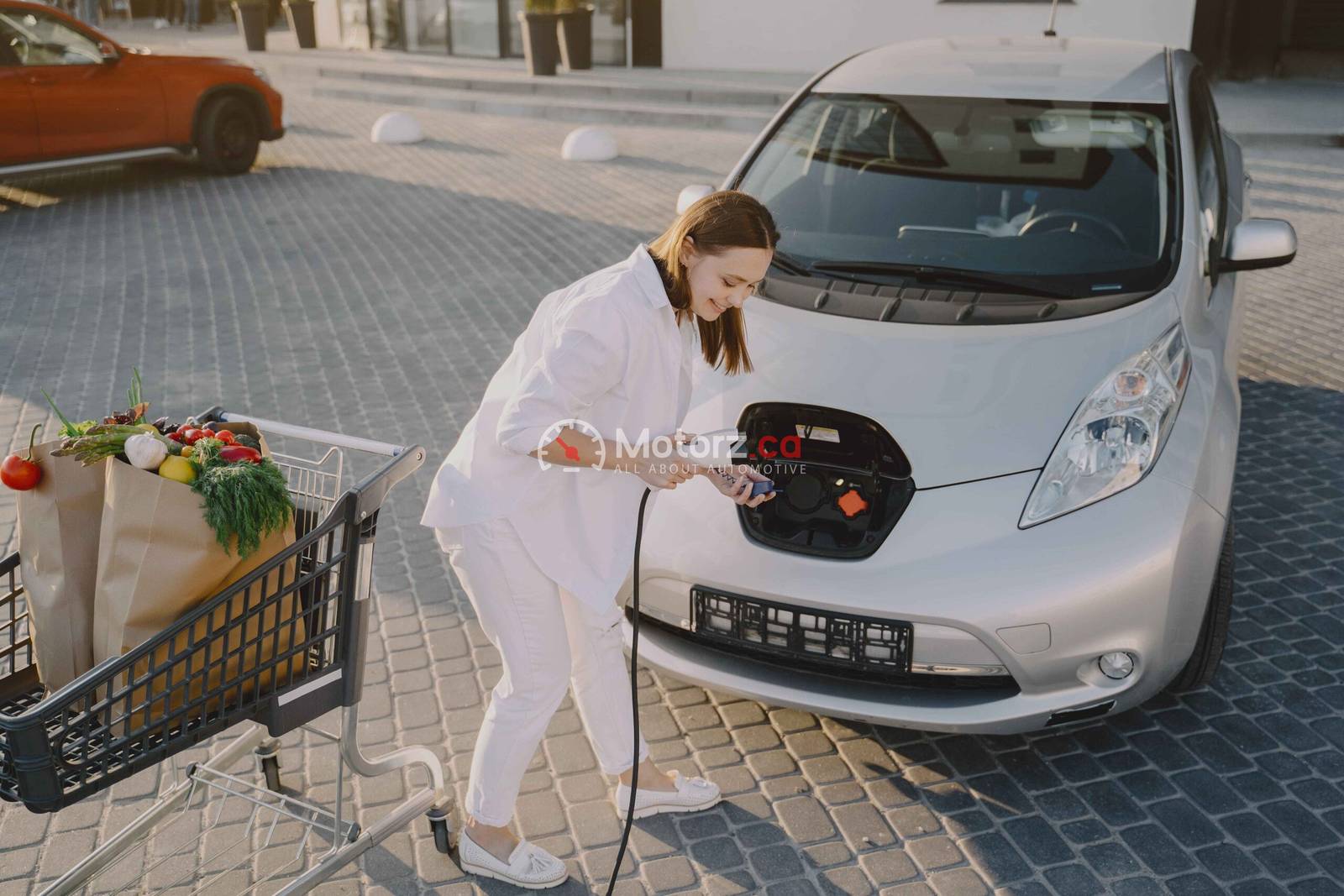
BC Hydro, the provincial utility, has been aggressive in expanding its public fast-charging network. In recent years, they have more than tripled the number of public charging ports, establishing high-speed charging hubs along major routes and in communities across the Future is Electric. This includes the completion of the “Electric Highway,” a network of fast chargers placed roughly every 150 kilometers along major routes, allowing drivers to travel from the Rockies to the Pacific Ocean with confidence.
The Vancouver Future is Electric infrastructure is more than just BC Hydro. The City of Vancouver has its own programs to increase charging availability. A new business license bylaw, set to take effect in January 2026, will increase fees for gas stations and large parking lots that do not offer EV charging. This policy is a clever, market-based approach to encourage private businesses to invest in charging infrastructure and expand the network in high-traffic areas.
Charging in Urban Spaces
A major hurdle for EV adoption in a dense urban environment like Vancouver is a lack of at-home charging, particularly for residents of multi-unit residential buildings Future is Electric. The city has taken a proactive approach to this challenge:
Building Code Mandates: Vancouver’s building code requires that all new residential and commercial buildings have 100% of their parking stalls “EV-ready.” This future-proofs the city and makes it incredibly easy for new residents to own an EV.
Retrofit Programs: For older MURBs, the Future is Electric Go Electric Rebate and other local initiatives offer substantial financial support to stratas and building managers to install charging infrastructure. This addresses the single biggest barrier for many urban dwellers.
This forward-thinking approach to Vancouver EV infrastructure ensures that no resident is left behind as the city transitions to an electric future.
Powered by the Grid: The Clean Energy Connection
An EV is only as clean as the electricity that powers it. This is where Vancouver’s position as a global leader is cemented.
Hydropower and the Green Grid
The vast majority Future is Electric British Columbia’s electricity is generated from clean, renewable sources. The largest of these is hydropower, harnessing the power of the province’s rivers to generate electricity with minimal greenhouse gas emissions.
This means that a driver in Vancouver isn’t just a zero-emission vehicle driver; they are a clean energy Vancouver driver. The carbon footprint of driving an EV in BC is negligible, especially when compared to provinces that rely on fossil fuels for their electricity generation. This green grid is the critical third leg of the stool, ensuring that the EV revolution in BC is a truly clean one.
The Synergy of EVs and the Grid
Beyond simply drawing power from the grid, EVs have the potential to become an integral part of its stability. With the rise of vehicle-to-grid (V2G) technology, EVs can be used as mobile power banks. They can store excess energy during off-peak hours (when electricity is cheapest) and then feed power back into the grid during times of high demand, helping to balance the load and prevent outages. This symbiotic relationship will be a key component of a sustainable energy future, and Vancouver, with its high rate of EV adoption, is perfectly positioned to test and scale this technology.
A Cultural Movement: The Vancouver EV Community
Policy and infrastructure are essential, but the human element is what gives the revolution its momentum.
The Passionate EV Community
Vancouver’s vibrant EV community is a testament to the cultural shift that is taking place. From local car clubs and online forums to grassroots advocacy groups, a network of passionate enthusiasts has emerged to help new owners navigate the world of electric vehicles. They share tips on everything from finding the best charging spots to optimizing battery health. This strong community provides the social support and peer-to-peer knowledge sharing that encourages others to make the leap.
A Symbol of Vancouver’s Values
The rapid adoption of electric vehicles is more than just a practical choice for Vancouver residents; it’s a reflection of the city’s core values. Vancouver has long been a leader in environmentalism and sustainability. Owning an EV is a public statement of these values, aligning with the city’s brand as a green, forward-thinking metropolis. This cultural buy-in is a powerful force that makes the Vancouver EV revolution self-perpetuating.
The Next Frontier: Challenges and Opportunities
While Vancouver has much to celebrate, the road ahead is not without its challenges. The city’s role as a leader requires it to continue pushing the boundaries of what is possible.
The Road Ahead: Challenges and Opportunities
The Battery Question: The global supply chain for Future is Electric batteries, and the ethical and environmental concerns around mining raw materials, is a major challenge. As a leader, Vancouver and BC can drive innovation in battery recycling and second-life battery applications, ensuring the entire lifecycle of the EV is as sustainable as possible.
Beyond the Lower Mainland: While the Vancouver Future is Electric infrastructure is robust, the rest of the province, especially remote and rural communities, still needs a significant build-out of charging stations to ensure the 2035 mandate is achievable for everyone.
The Used EV Market: As more Future is Electric enter the market, a strong used market will emerge. Ensuring there are mechanisms to support affordable used EV sales and battery health certifications will be a key part of maintaining equitable access to clean transportation.