
How Technology is Redefining the Ontario Drive
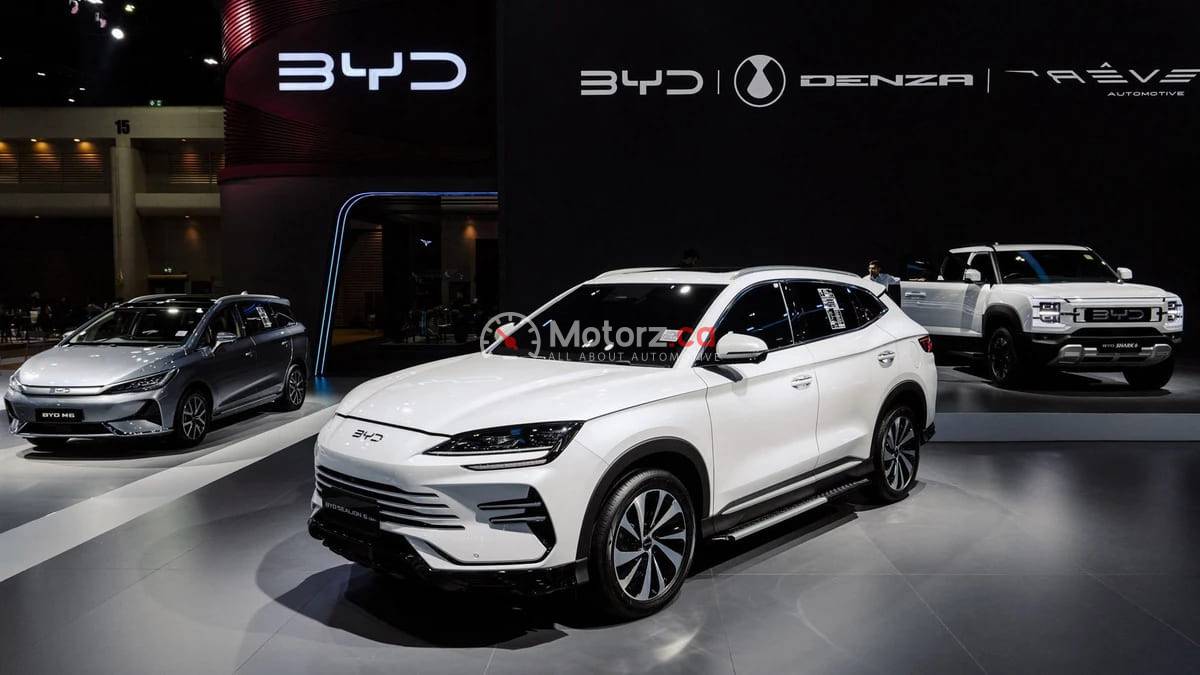
The car on the showroom Automotive Technology today is a far cry from the one from even a decade ago. It’s no longer just a mechanical machine; it’s a sophisticated, connected device on wheels. In Ontario, a province at the heart of Canada’s automotive industry, this digital transformation is happening at a rapid pace. Our roads are becoming a testing ground for everything from advanced safety features to fully electric powertrains and software that learns and adapts to your driving habits. This shift is not just changing how we drive, but also how we buy, maintain, and interact with our vehicles.
This blog post will take a deep dive into the latest automotive technology trends hitting Ontario roads. We’ll look at the key innovations that are becoming mainstream, the infrastructure that is supporting them, and what it all means for you, the driver.
The Electrification of the Fleet: Beyond the Hype
Electric Vehicles (EVs) are no longer a niche Automotive Technology. They are becoming a significant part of the automotive landscape in Ontario, and the trend is accelerating with strong government backing and consumer demand.
The Rise of the Automotive Technology
Market Penetration: The number of Automotive Technology and plug-in hybrid electric vehicles (PHEVs) on Ontario’s roads is growing exponentially. This is driven by both environmental concerns and a desire for lower operating costs. With the cost of gasoline fluctuating, the promise of charging at home for a fraction of the cost is a major selling point.
The “Mine to Mobility” Strategy: Canada, and particularly Ontario, is focusing on building a complete battery supply chain, from the mining of critical minerals to the manufacturing and recycling of batteries. This local supply chain will further fuel EV adoption and make the vehicles more accessible and affordable in the coming years.
Building the Infrastructure: EV Charging
The biggest barrier to mass EV adoption is often Automotive Technology—the fear of running out of power with no charger in sight. Ontario is addressing this head-on.
Expanding Public Networks: The provincial government’s EV Charge ON program is providing funding to encourage the installation of public charging stations in communities across Ontario. This is making it easier for drivers to take longer trips without worrying about where their next charge will come from.
Streamlined Procedures: The Ontario Energy Board (OEB) has implemented a new, streamlined procedure for EV charging connections, making it easier and faster to set up new charging stations for non-residential customers, including for commercial fleets and in multi-unit residential buildings. This will significantly increase the accessibility of charging infrastructure.
The Era of Advanced Driver Assistance Systems (ADAS)
The technology that makes cars safer is no Automotive Technology limited to airbags and seatbelts. Advanced Driver Assistance Systems (ADAS) are becoming standard on most new vehicles, working silently in the background to prevent accidents.
The Commonplace Features
A recent study shows that a large majority of new vehicles are equipped with a suite of ADAS features. Many of these are now so common that drivers take them for granted.
Forward Collision Warning and Automatic Emergency Braking: This Automotive Technology uses radar and cameras to detect a potential collision and, if the driver doesn’t react in time, can automatically apply the brakes to avoid or reduce the severity of a crash.
Lane Departure Warning and Lane Keeping Assistance: These systems help prevent accidents caused by a distracted driver drifting out of their lane. They can provide a visual or audible warning, and in some cases, can even provide gentle steering input to keep the car in its lane.
Blind Spot Warning: A simple but effective Automotive Technology, this system uses sensors to alert the driver when a vehicle is in their blind spot, preventing a collision during a lane change.
The Path to Autonomy
While fully autonomous (Level 4 and 5) vehicles are still in the testing phase in most of the world, ADAS features are a stepping stone on that path. In Automotive Technology, the legal framework for self-driving vehicles is still in its infancy, and most of these technologies are designed to assist the driver, not replace them. However, with the rapid advancement of software, AI, and advanced sensors, we are getting closer to a future where vehicles can navigate complex environments on their own.
The Connected Car: Your Smartphone on Wheels
The car is becoming a central hub for our digital lives. Connectivity is a major focus for automakers, with features that seamlessly integrate our devices, apps, and data into the driving experience.
Integrated Connectivity
Vehicle-to-Everything (V2X) Communication: This is a major trend that will revolutionize how cars interact with their environment. V2X allows cars to communicate with other Automotive Technology, infrastructure (V2I), pedestrians, and the cloud. This real-time data exchange can provide a driver with alerts about a patch of black ice on the road, a sudden traffic jam, or even a cyclist in their blind spot.
In-Car Entertainment and Productivity: Modern vehicles now offer built-in Wi-Fi hotspots and integration with apps like Zoom, Spotify, and more. This allows for seamless entertainment and even productivity on the go. The vehicle is no longer just a mode of transportation; it’s a mobile office and entertainment centre.
Remote Features: Most new cars come with a suite of remote services that can be controlled via a smartphone app. You can start your car on a cold Ontario morning from the comfort of your home, lock or unlock the doors, and even locate your vehicle in a crowded parking lot.
The Future is Software-Defined
The modern car is essentially a computer with a very fast engine Automotive Technology. The software is now a major differentiator, allowing for a level of customization and a suite of features that were once unimaginable.
Over-the-Air (OTA) Updates
Just like your smartphone, many new cars now receive over-the-air software updates. This means that a manufacturer can push out a new feature, a security patch, or a performance tweak without you ever having to visit a dealership. This keeps your vehicle up to date and can even increase its value over time.
Predictive Maintenance
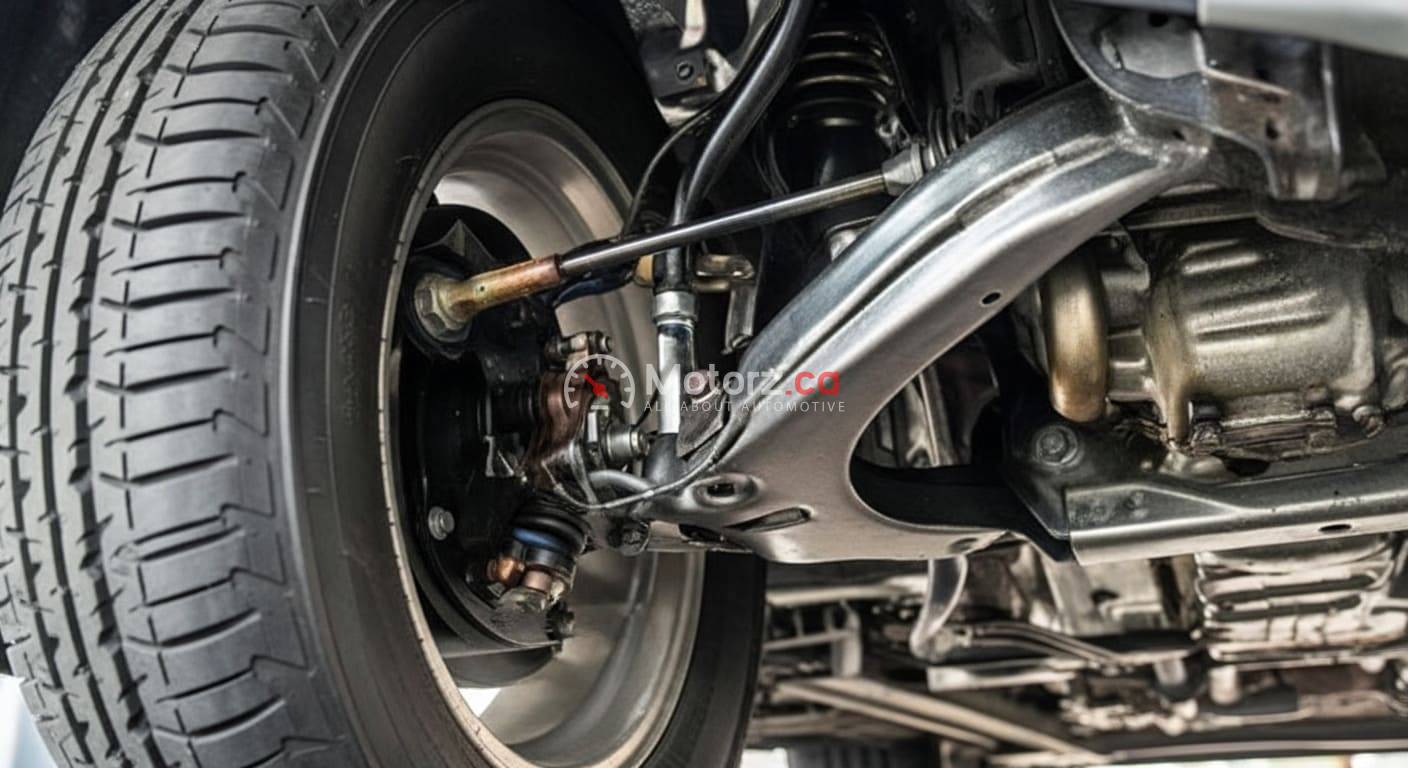
Using advanced sensors and machine Automotive Technology, modern cars can now predict when a component is likely to fail. This allows the car to alert the driver to a potential problem before it becomes a major issue. For Ontario drivers, this is especially valuable, as it can help prevent a breakdown on a remote highway in the middle of a winter storm.