


The Changing Your Oil at Home light can send a shiver down any car owner’s spine. But what about the simple “Oil Change Required” light? For many, it’s a signal to book an appointment with a mechanic, brace for a hefty bill, and spend a few hours in a waiting room. But what if you could bypass all of that?
Changing your own oil is one of the most fundamental, money-saving, and empowering pieces of car maintenance you can learn. It’s a rite of passage for many car enthusiasts and a practical skill for anyone who wants to take control of their Changing Your Oil at Home health. Not only does it save you a significant amount of money over the life of your car, but it also gives you a deeper understanding of how your vehicle works.
This isn’t just a list of steps; it’s a comprehensive guide designed for the absolute beginner. We’ll cover everything from the essential tools you need to the crucial safety precautions, ensuring you can complete this task with confidence and pride.
Why Change Your Changing Your Oil at Home?
Before we get our hands dirty, let’s talk about the “why.” Why should you even bother with a DIY oil change when professional services are so readily available?
Significant Cost Savings
This is the most obvious benefit. A professional Changing Your Oil at Home can cost anywhere from $50 to $150 or more, depending on your vehicle and the type of oil used. The cost of the oil and filter alone for a DIY oil change is often a fraction of that, typically ranging from $20 to $60. Over a year, this can add up to hundreds of dollars in savings.
A Valuable Learning Experience
Doing it yourself gives you a chance to inspect your vehicle from underneath. You can check for leaks, inspect your belts, hoses, and suspension components, and get a better feel for your car’s overall condition. This proactive approach can help you catch minor issues before they turn into major, expensive Changing Your Oil at Home.
Control Over Quality
When you do the job yourself, you have complete control over the type and brand of motor oil and oil filter you use. You can choose a high-quality synthetic oil or a specific brand recommended for your vehicle, ensuring your engine gets the best possible Changing Your Oil at Home.
Essential Tools and Materials
You don’t need a professional garage to change your oil, but you do need the right equipment. Before you start, gather all of these items. A trip to any auto parts store will cover most of your needs.
The Must-Haves:
New Motor Oil: Your Changing Your Oil at Home owner’s manual will specify the correct oil type and viscosity (e.g., 5W-30, 0W-20) and the quantity required. Always follow these recommendations.
New Oil Filter: Make sure you get the correct filter for your specific vehicle’s make, model, and year.
Oil Filter Wrench: This is a specialized tool that fits around the oil filter to help you loosen it. There are different types, so get one that’s compatible with your filter.
Wrench or Socket Set: You’ll need this to remove the oil drain plug. The size varies by vehicle, so check your Changing Your Oil at Home manual or have a few sizes on hand.
Oil Drain Pan: A wide, low-profile pan is best for catching the old oil and preventing spills. Look for one with a pour spout for easy transfer.
Jack and Jack Stands OR Car Ramps: NEVER get under a car supported only by a jack. Jack stands are a crucial safety item. Alternatively, a set of sturdy car ramps is a simple and safe way to lift the front of your car.
Funnel: This prevents spills when you add the new oil to the engine.
Gloves and Rags: A pair of disposable gloves (nitrile is a good choice) will keep your hands clean. Rags or old towels are essential for wiping up any Changing Your Oil at Home.
Nice-to-Haves:
Creeper: A low-lying dolly with wheels that allows you to slide easily under the car.
Portable Work Light: A flashlight or work light can help you see clearly in the dim undercarriage of your vehicle.
Torque Wrench: For the perfectionist, a torque wrench ensures you Changing Your Oil at Home the drain plug to the exact specification to avoid stripping threads or leaks.
Step-by-Step DIY Oil Change
Follow these steps carefully. Take your time, and don’t be afraid to double-check your work.
Preparation is Key
Warm Up the Engine: Drive your car for about 5-10 minutes to warm the Changing Your Oil at Home. Warm oil flows more easily, which helps it drain completely. Warning: Do not let the engine get hot, as the oil can cause severe burns.
Park on a Flat Surface: Park on a level, solid surface like a driveway or garage floor. Engage the parking brake.
Lift the Vehicle Safely: Use your jack and jack stands or drive the car up the ramps. Once the car is lifted, do a quick shake test to ensure it is stable and secure before you get underneath.
Draining the Old Oil
Locate the Drain Plug: Get under the Changing Your Oil at Home and find the oil drain plug. It’s usually a large bolt located at the bottom of the oil pan, a metal container directly under the engine.
Position the Drain Pan: Place the oil drain pan directly underneath the drain plug. Make sure it’s centered to catch all the oil.
Remove the Drain Plug: Using your wrench or socket, loosen the drain plug by turning it counterclockwise. As you do, be prepared for oil to start Changing Your Oil at Home. Once it’s loose, you can unscrew it by hand. Be quick and careful as the plug comes out to avoid getting hot oil on your hands.
Let it Drain: Let the old oil drain completely. This can take anywhere from 10 to 20 minutes. The stream will slow to a trickle, and eventually, a drip.
Reinstall the Drain Plug: Once the oil has drained, clean the drain plug and the area around the oil pan. Reinstall the plug, tightening it clockwise. Be firm, but do not overtighten, as this can strip the threads and cause a major leak. If you have a torque wrench, use the specification found in your owner’s manual.
Replacing the Oil Filter
Locate the Oil Filter: The oil filter is typically a canister-shaped object near the engine. It might be on the side or bottom. Have your drain pan ready, as more oil will come out.
Remove the Old Filter: Use your oil filter wrench to loosen the filter by turning it counterclockwise. Once it’s loose, you can unscrew it by hand. Be careful as oil will spill out.
Prepare and Install the New Filter: Before installing the new Changing Your Oil at Home, take a little bit of the new oil and apply a thin film to the rubber gasket on the top of the new filter. This helps create a better seal. Screw the new filter on by hand until it is snug. Do not use the wrench to tighten it! Hand-tightening is all that’s required to prevent damage to the filter or the engine housing.
Adding the New Oil
Lower the Car: Once the drain plug and new filter are in place, safely lower the car back onto the ground.
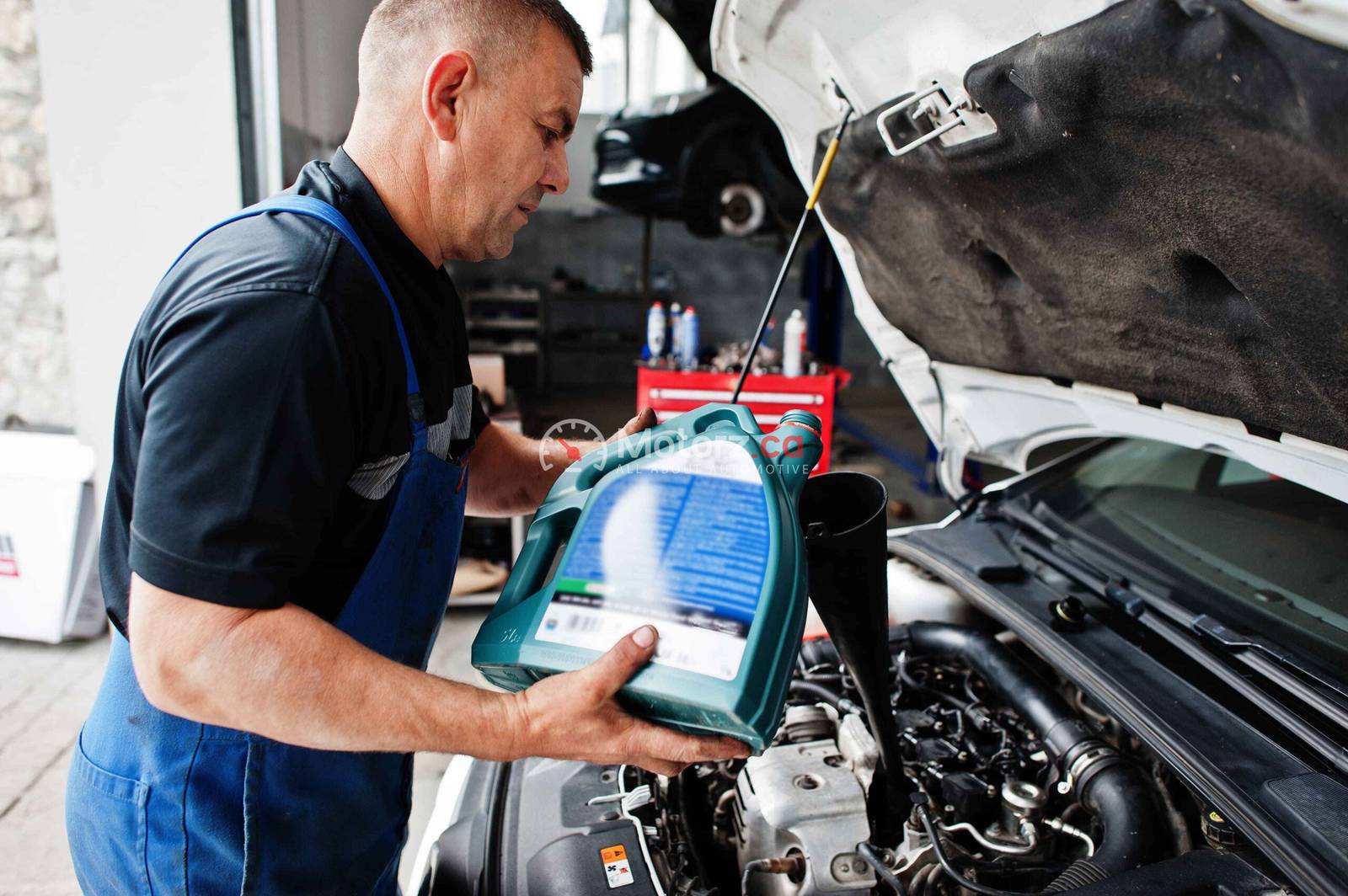
Add the New Oil: Open the hood and locate the oil fill cap, usually marked with an oil can symbol. Insert your funnel and pour in the amount of new oil specified in your owner’s manual.
Check the Level: After pouring, wait a few minutes for the oil to settle in the pan. Pull out the dipstick, wipe it clean, reinsert it fully, and then pull it out again to check the oil level. It should be between the “Add” and “Full” marks. Add more oil if needed, but do so slowly to avoid overfilling. Overfilling can be as damaging as underfilling.
Final Checks and Cleanup
Start the Engine: Start the engine and let it run for about a minute. This circulates the new oil and builds pressure.
Check for Leaks: While the engine is running, quickly check underneath the car for any leaks around the drain plug or the oil filter.
Turn Off and Re-Check: Turn the engine off and wait a few minutes for the oil to settle again. Re-check the oil level with the dipstick.
Cleanup and Disposal: Pour the old Changing Your Oil at Home from your drain pan into the empty new oil bottles. Secure the caps tightly. This is a crucial step! Used motor oil is a hazardous waste and should never be poured down a drain or into the trash. In Pakistan, and specifically in a place like Faisalabad, you should contact local automotive shops, service stations, or waste management services to ask about their recycling or disposal procedures. Many of these places are legally required to accept used oil for proper disposal or reprocessing.
Common Questions & Troubleshooting
What if I can’t get the drain plug off? A stubborn drain plug is common. Try using a longer wrench for more leverage.
What if the oil filter is stuck? Make sure you’re using the right size wrench. If it’s still stuck, a claw-style or chain-style wrench might give you more grip.
How often should I change my oil? The old rule of thumb was every 3,000 miles (4,800 km). With modern cars and synthetic oils, most manufacturers recommend intervals of 5,000 to 10,000 miles (8,000 to 16,000 km). Always consult your Changing Your Oil at Home manual for the exact recommendation for your vehicle.
Changing your oil at home is more than just a task; it’s a step toward becoming a more confident and knowledgeable car owner. By following this simple guide, you’ll not only save money but also build a valuable skill that will serve you and your Changing Your Oil at Home for years to come.