


The Repairs Poised to Spike in North America landscape is changing, and the biggest disruptor isn’t a new electric vehicle (EV) or self-driving technology—it’s the DIY car repair movement.
For years, the automotive aftermarket has been a two-sided coin: the “Do-It-Yourself” (DIY) segment and the “Do-It-For-Me” (DIFM) professional shop. While professional services remain essential, a powerful confluence of factors is rapidly tilting the balance toward the home garage. In 2025, we’re not just seeing growth; we’re seeing a spike, a boom driven by necessity, technology, and a renewed spirit of self-reliance.
Why the sudden surge? The data is clear. Vehicle ownership costs, particularly for auto maintenance and major vehicle repair, have soared. With the average age of a vehicle on the road reaching historic highs, more cars are in need of regular and substantial work. Simultaneously, the wealth of free, high-quality instructional content on platforms like YouTube has demystified complex projects, turning the intimidating brake job or suspension component replacement into a weekend project for a mechanically curious individual.
The DIY auto parts market is robust, confirming that consumers are buying the components and installing them. Studies indicate that consumers are proactively seeking cost-effective vehicle maintenance solutions and are willing to take on projects that save hundreds, even thousands, of dollars. The home garage is no longer just for basic oil changes; it’s a full-fledged service center.
This blog post dives into the specifics, highlighting the five major DIY repairs that are on track to see the most significant increase in North America in 2025. Get ready to swap your oil rag for a wrench and become your own certified mechanic. The aftermarket boom is here, and you’re the driver.
Battery, Alternator, and Electrical System Maintenance
An Aging Fleet and Power-Hungry Vehicles
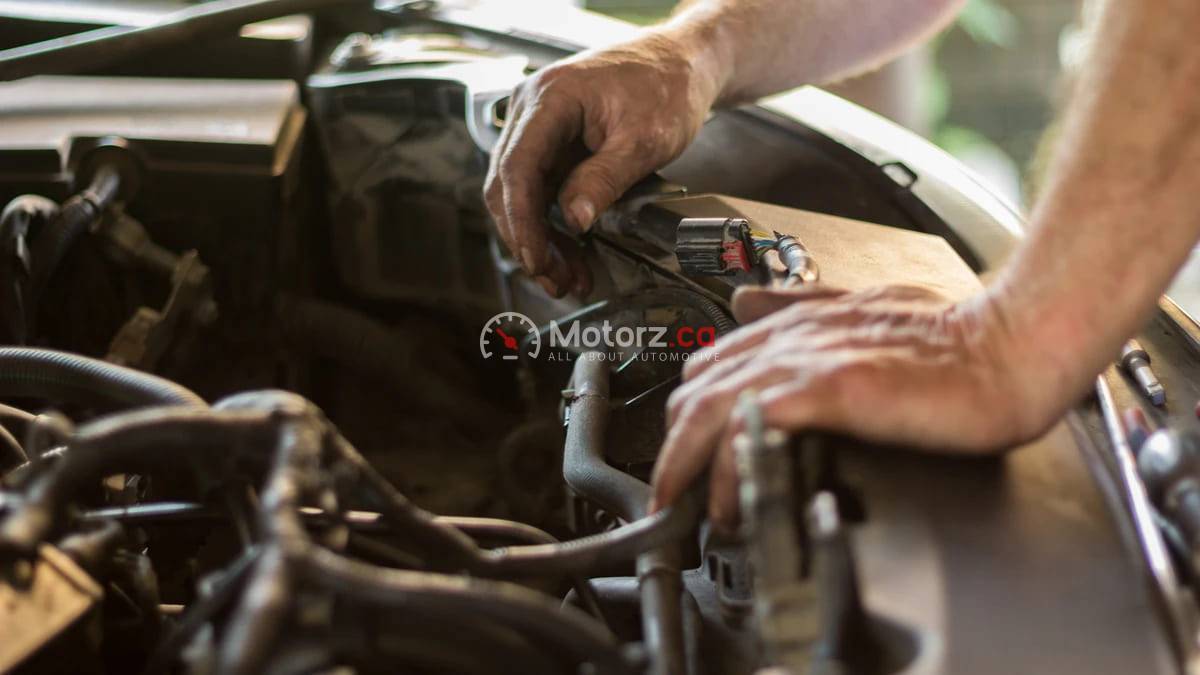
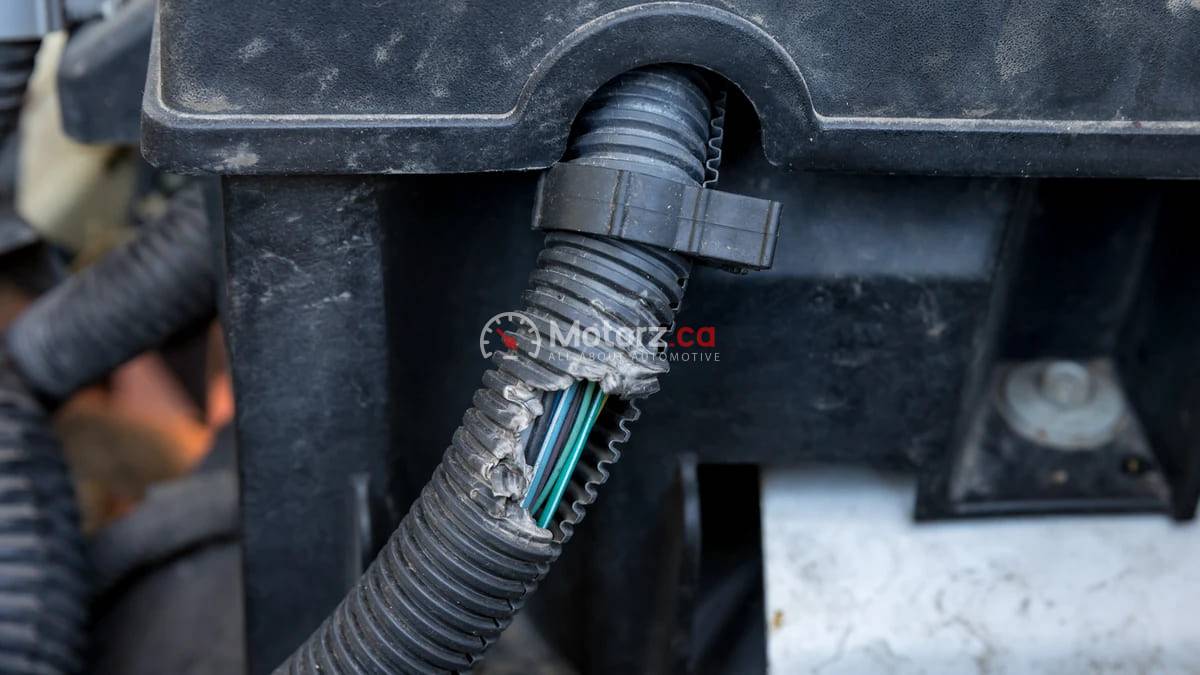
As vehicles age, the entire electrical/charging system becomes a major point of failure. Modern cars are veritable computers on wheels, requiring more power than ever to run everything from infotainment screens to advanced safety sensors. A simple fault in the car battery or alternator can lead to costly diagnostic fees at a shop.
Why it’s Spiking Repairs Poised to Spike in North America
The DIY community is embracing these repairs because they offer massive savings for relatively simple labor. Replacing a car battery is an entry-level task, but the savings compared to a dealership or general service center are substantial. More Repairs Poised to Spike in North America, DIYers are confidently moving into higher-value component replacements like the alternator repair—a job once reserved for professional mechanics. This is supported by research showing DIYers are significantly more likely to tackle the electrical/charging system.
Key DIY Tasks:
Battery Replacement: Disconnecting and reconnecting terminals—a straightforward job.
Alternator Replacement: Often accessible and involves disconnecting a belt and a few bolts. The part cost is the main expense, and doing the labor yourself is pure savings.
Blown Fuse Replacement: A basic task to restore Repairs Poised to Spike in North America to a circuit, saving an unnecessary trip to a service center.
Battery replacement cost
Alternator repair DIY
How to test car battery and alternator
Electrical system maintenance for older cars
DIY charging system fix
Brake Pad and Rotor Replacement
Essential, Frequent, and High-Markup Service
Brake services are the bread and butter of auto repair shops because they are non-negotiable for safety and are required frequently (every 30,000 to 70,000 miles). This frequent need, combined with high labor markups, makes the brake job one of the most attractive targets for the cost-effective vehicle maintenance DIYer.
Why it’s Spiking in 2025
Brake jobs have always been a staple DIY car repair, but the increasing cost of parts and labor for all vehicle services is pushing even hesitant owners to learn this skill. The process—which involves removing the caliper, replacing brake pads, and swapping out the brake rotors—is incredibly well-documented online. Furthermore, the specialized tools required (like a C-clamp or caliper compression tool) are inexpensive and reusable, making the initial Repairs Poised to Spike in North America negligible compared to the long-term savings. The satisfaction of a successful, safe brake job is a major motivator.
Key DIY Tasks:
Brake Pad Change: The most common task, replacing the friction material.
Brake Rotor Replacement: Often done with the pads to ensure a smooth, safe braking surface.
Brake Fluid Flush: An essential part of complete brake maintenance for an aging vehicle, easily done at home with a helper or a one-person brake bleeder kit.
SEO Keywords to Capture This Trend:
Brake pad replacement DIY tutorial
How to change brake rotors
Brake job cost versus DIY
Car repair safety tips for brakes
Brake fluid flush at home
Advanced Fluid Flushes and Transmission Service
Neglected Fluids in High-Mileage Vehicles
Most owners are diligent about oil changes, but they often neglect the other critical fluids: transmission fluid, coolant, and differential fluid. These fluids, essential for a high-mileage vehicle’s longevity, are expensive to service at a shop. As people Repairs Poised to Spike in North America onto their cars longer due to high new and used car prices, proactive maintenance of these systems is crucial.
Why it’s Spiking in 2025
The complexity of modern transmissions has historically deterred DIYers, but the explosion of “how-to” content is changing that. Transmission fluid replacement—a preventative measure far cheaper than a full transmission rebuild—is becoming a popular intermediate project. Similarly, flushing and replacing coolant to prevent overheating and corrosion is a simple, high-reward maintenance task. The savings here are profound, justifying the purchase of specialized funnels, pumps, and disposal containers.
Key DIY Tasks:
Transmission Fluid Change: A drain-and-fill procedure to replace aged fluid.
Coolant Flush and Replacement: Draining the old, contaminated coolant and refilling the system with a fresh mix to protect the engine.
Power Steering and Differential Fluid Top-Ups/Changes: Simple maintenance for better long-term reliability.
Restoring the Ride:
Costly Labor for Worn-Out Components
Shocks and struts are wear-and-tear items that affect ride comfort, handling, and safety. A professional suspension repair job is incredibly expensive due to the intensive labor required. As the average vehicle age increases, so does the demand for replacing Repairs Poised to Spike in North America worn-out parts.
Why it’s Spiking in 2025
This is an area of significant projected growth in the DIY aftermarket. The availability of pre-assembled strut assemblies (often called Quick-Struts) has dramatically simplified this process. These parts eliminate the need for dangerous spring compressor tools, turning a multi-hour, highly specialized job into a more manageable, bolt-on Repairs Poised to Spike in North America. The substantial labor savings—often over a thousand dollars for a full set—make the effort highly worthwhile. Consumers are leveraging the ease of modern suspension parts to perform this higher-level vehicle repair.
Key DIY Tasks:
Strut Assembly Replacement: Swapping the entire pre-assembled unit.
Shock Absorber Replacement: Replacing the rear shocks, which are typically easier to access.
Sway Bar Link Replacement: A simple, noise-reducing fix that improves handling.
Strut replacement DIY
How to change shocks and struts
Installing Quick-Struts at home
Suspension component replacement cost savings
Vehicle repair suspension guide
Clear Vision and Compliance:
Safety, Aesthetics, and Increased Vehicle Inspections
Dead bulbs are a common reason for failure during state or provincial vehicle inspections. Replacing a simple headlight or taillight bulb can range from an easy-to-reach component to one that requires removing the bumper—and service shops charge for their time regardless of the difficulty. Furthermore, the aesthetics of a vehicle, particularly headlight restoration, remain a strong draw for the DIYer.
Why it’s Spiking in 2025
The initial search findings indicated that DIYers are 71% more likely to work on the lighting system. This high percentage suggests that everything from simple bulb swaps to more involved headlight restoration and even basic wiring for fog lights is being done at home. The work is low-stakes and directly impacts safety and cosmetic appeal. The cost of a few bulbs and a plastic cleaning kit is minimal, but the visual result is immediate and satisfying, pushing this work into the top five of the DIY aftermarket spike.
Key DIY Tasks:
Headlight Bulb Replacement: Swapping halogen or LED bulbs.
Taillight and Turn Signal Bulb Replacement: Simple replacements to ensure compliance.
Headlight Restoration Kits: Using simple abrasives and clear coats to restore cloudy lenses.
Headlight bulb replacement guide
DIY headlight restoration
How to change taillight bulb
Lighting system maintenance at home
Vehicle inspection tips for lights
The Future of the Garage: Aftermarket Boom
The rise of the home mechanic is not a flash in the pan; it’s a fundamental shift in the North American automotive aftermarket. The spike in these five categories—from the low-hanging fruit of the electrical system to the advanced savings of suspension component replacement—is driven by consumer pragmatism.
The narrative is clear: cars are lasting longer, repair costs are rising faster than inflation, and the information needed to perform these vehicle repairs is readily available to anyone with a smartphone and an OBD-II scanner (which are becoming an essential DIY tool). The digital age has democratized the mechanic’s knowledge, and the economic climate has provided the motivation.
For parts retailers and educators, this boom signals a massive opportunity. It means focusing on high-quality DIY kits, easy-to-follow video instructions, and parts with simplified installation features, like the pre-assembled struts. For the average vehicle owner, it represents empowerment. By tackling these essential car repairs, you’re not just saving money; you’re building a deeper understanding of your vehicle, gaining a valuable skill, and joining a growing community of home garage heroes. Embrace the wrench, watch the video, and save your hard-earned cash. 2025 is your year to take control of your auto maintenance.