
The Sticker Shock
Before you even True Cost of Owning a Car off the lot, you’ll be faced with a series of substantial one-time expenses. These initial costs are often the first major hurdle for prospective car owners.
Vehicle Purchase True Cost of Owning a Car
The first and most obvious cost is the price of the True Cost of Owning a Car itself. The price of both new and used vehicles in British Columbia is influenced by a strong market and high demand. According to recent reports, the average price of a used car in True Cost of Owning a Car, one of the highest in Canada. This reflects factors like milder climates, which lead to less wear and tear from road salt, and a generally higher median income in the province. Whether you pay cash, finance, or lease, this figure is the foundation of your car ownership journey. A down payment for a financed vehicle is the first major financial hit, followed by monthly loan payments that can last for years.
Sales Tax (PST) and Other Fees
In British Columbia, you must pay the Provincial True Cost of Owning a Car on the purchase of a vehicle. This is a significant cost that often catches first-time buyers off guard. The PST on cars is a tiered system, with the rate increasing for more expensive vehicles. For a vehicle under $55,000, the tax is 7% of the purchase price, but this rate can climb to True Cost of Owning a Car for luxury vehicles.
In addition to the PST, you’ll also be responsible for various administrative fees. These include a new vehicle levy, a tire stewardship fee, and dealership fees, all of which can add hundreds, if not thousands, of dollars to your final bill.
The Biggest Expense: ICBC Insurance
This is perhaps the True Cost of Owning a Car largest and most unique financial burden for drivers in BC. Unlike other provinces with a competitive insurance market, True Cost of Owning a Car Columbia operates under a government-run, monopoly insurance system through the Insurance Corporation of British Columbia (ICBC).
ICBC Insurance: A Vancouver-Specific Expense
ICBC insurance is mandatory for all True Cost of Owning a Car in the province and is divided into two main categories: Basic True Cost of Owning a Car (mandatory) and Optional Coverage. Your Basic Autoplan covers your Third-Party Liability, Accident Benefits, and Underinsured Motorist Protection. While a no-fault system has changed the landscape, drivers in Vancouver still face some of the highest insurance premiums in Canada. The average BC driver pays around $1,800 to $2,000 per year, but this can be significantly higher for those living in high-risk areas like Vancouver.
Factors Affecting Your Premium
Your exact ICBC insurance premium is highly personalized. Several key factors can dramatically increase or decrease your annual True Cost of Owning a Car:
Location: Living in a dense urban area like Vancouver, with its high traffic volume and increased risk of accidents and theft, means your premium will be higher than for someone living in a rural part of the province.
Driving Record: A clean True Cost of Owning a Car with no at-fault accidents or traffic violations is the best way to keep your rates down. Every claim, speeding ticket, or other infraction will negatively impact your premium.
Vehicle Type: The make, model, and year of your car matter. High-end vehicles, sports cars, and those with a history of expensive repairs will cost more to insure. True Cost of Owning a Car new model also takes into account safety features and repair costs.
Driving Experience: The more years of claim-free driving you have, the more of a discount you will receive. New drivers and those with less experience will face higher premiums until they build a safe driving history.
Usage: How much you use your car also plays a role. True Cost of Owning a Car offers a low-kilometre discount for drivers who use their vehicle less, a valuable saving for those who only drive on weekends or for short commutes.
When you add optional coverage like Collision and Comprehensive insurance, your total annual premium can easily exceed $3,000, making car ownership cost in Vancouver a major hit to your monthly budget.
The Daily Grind: Fuel and Parking
These are the recurring, day-to-day costs that are impossible to ignore. Vancouver car expenses are particularly high in these two categories.
The High Cost of Fuel and Parking
Vancouver consistently holds the dubious honour of having some of the highest fuel prices in North America. This is due to a combination of factors, including high federal, provincial, and municipal taxes, as well as the carbon tax and a limited refining capacity in the region.
Vancouver Gas Prices
While prices True Cost of Owning a Car, they are typically a dollar or more per litre higher than in other parts of the continent. For a commuter driving an average of 15,000 km per year with a car that gets 10 L/100 km, this can easily translate to over $2,400 in annual fuel costs. If you own a larger vehicle like a truck or SUV, that number can skyrocket. The convenience of a car often comes at the price of a hefty fuel bill.
The Pain of Parking
Parking in Vancouver is a major source of stress and expense. If you work downtown, a monthly parking pass can cost anywhere from $250 to $600. For those who rely on street parking, the meter rates can add up quickly, with many areas charging over $6 per hour. Parking tickets are also a constant threat; a single ticket for an expired meter can cost over $80. Even residential parking isn’t free, with many areas requiring annual permits. These costs, both official and from accidental tickets, can easily become one of the most significant and frustrating parts of your Vancouver car expenses.
The Unavoidable Reality: Maintenance and Repairs
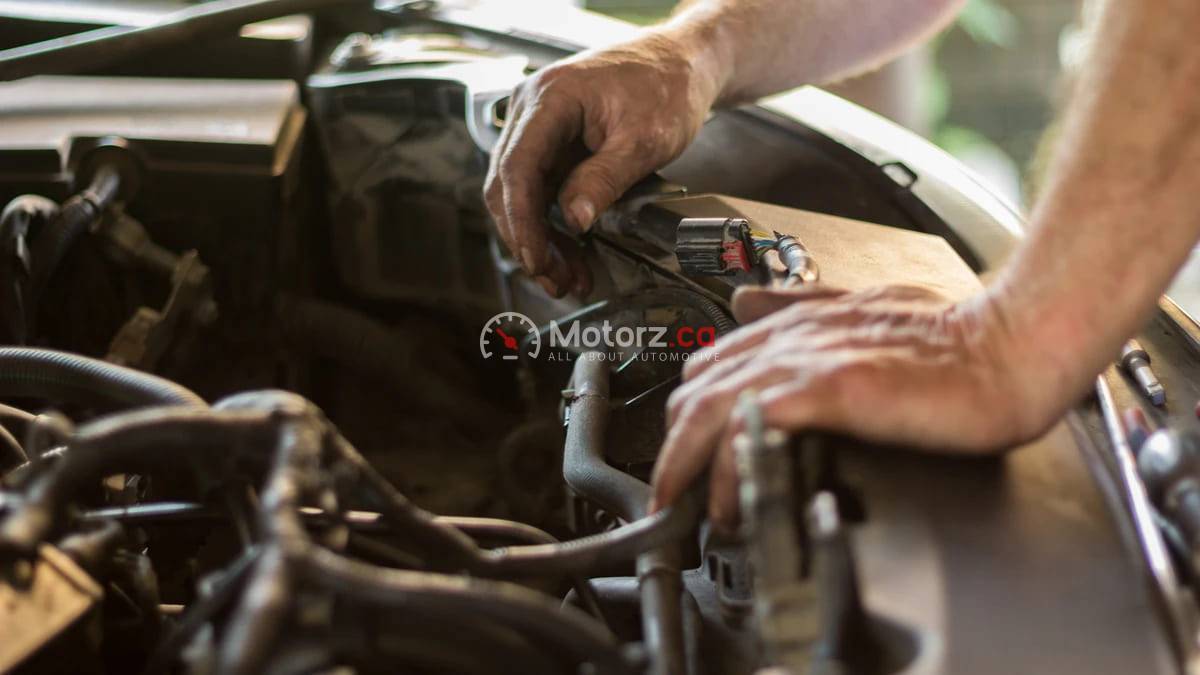
Beyond the fuel and True Cost of Owning a Car, a car requires continuous care to stay in good working order. These costs are often unpredictable but essential for longevity and safety.
Keeping Your Vehicle Running
From oil changes to tire rotations, regular maintenance is crucial. Experts recommend budgeting between $1,200 and $1,500 annually for routine maintenance and unexpected repairs, but this can be higher in a city like Vancouver with its unique climate and hilly terrain.
Regular Maintenance
Vancouver’s long, wet winter and True Cost of Owning a Car seasons mean extra wear and tear on your vehicle. You’ll need to consider the cost of winter tires, which are mandatory on many highways and a wise safety investment for the city’s slushy, icy roads. A good set of winter tires can cost anywhere from $800 to $1,500.
Basic services like oil changes, brake checks, and tire rotations can run you hundreds of dollars per year. A new battery, which typically lasts 3-5 years, can cost $200-$400.
The Cost of Unexpected Repairs
Even with perfect maintenance, True Cost of Owning a Car issues can and will arise. A transmission repair can cost thousands of dollars, a catalytic converter replacement can be over a thousand, and even a simple alternator replacement can cost hundreds. These unexpected repairs can quickly derail a carefully planned budget and are a key reason why many financial experts recommend setting aside a separate fund for car repairs.
The Silent Killer: Depreciation
This is the most overlooked but most significant cost of car ownership. Depreciation is the rate at which your vehicle loses value over time.
The Hidden Cost: Depreciation
Depreciation is not a cash expense you pay out of pocket, but it represents a real loss of wealth. As soon as you drive a new car off the lot, it can lose up to 20% of its value in the first year alone. Over five years, the average car can lose over 60% of its value. This is money that you will never get back and must be accounted for in your total cost of ownership. For a $40,000 vehicle, this can mean a depreciation cost of over $4,000 per year in the initial years.
Putting It All Together: A Sample Vancouver Car Ownership Budget
To make these numbers concrete, let’s create a fictional budget for a Vancouver resident.
A Sample Car Ownership Budget
Let’s imagine True Cost of Owning a Car living in Kitsilano, who buys a new, mid-range sedan for $35,000. She has a clean driving record and commutes to her office downtown 3 days a week.
Annual Costs:
Loan Payments: $35,000 financed over 5 years at 5% interest = ~$660/month or $7,920/year.
ICBC Insurance: With a clean record, living in a high-density area, and with optional collision/comprehensive coverage, her annual premium is likely around $2,800.
Fuel: Commuting three days a week and weekend driving, she drives ~12,000 km per year. At an average fuel efficiency of True Cost of Owning a Car, her annual fuel cost is ~$2,376.
Maintenance: Routine maintenance and a small emergency fund: $1,200/year.
Parking: A monthly parking pass near her office for 12 months at $350/month = $4,200.
Depreciation: Year one depreciation on a new car can be up to 20%, or $7,000.
Jane’s First-Year Total Cost of Ownership:
Total Annual Cash Expense (Payments, Insurance, Fuel, Maintenance, Parking)
Total Annual Cost (including Depreciation)
As you can see, the total cost far exceeds what most people would budget. Even without a car payment, the ongoing operational costs for insurance, fuel, and parking can easily reach over $10,000 per year.
Is It Worth It? Alternatives to Car Ownership
Given the immense cost, it’s worth True Cost of Owning a Car alternatives that are becoming increasingly viable in Vancouver.
The Alternatives
Public Transit (TransLink): An annual Compass Card pass costs significantly less than car ownership, offering access to the bus, SkyTrain, and True Cost of Owning a Car network. While it might not be as convenient for every trip, the cost savings are undeniable.
Car-Sharing Services: Services like Evo and Modo offer the flexibility of a car without the financial burden of ownership. You pay per minute, hour, or day, and the cost includes gas, insurance, and parking. This is a perfect solution for occasional use or weekend trips.
Biking and Walking: For short- to medium-distance trips, Vancouver’s extensive network of bike lanes makes cycling a viable and healthy option.
Making an Informed Decision
Ultimately, the decision to True Cost of Owning a Car is a personal one. For some, the convenience and freedom it offers are worth the substantial financial commitment. For others, the high cost of car ownership makes it an impractical luxury. By understanding the true expenses—from the initial purchase to insurance, fuel, parking, and silent depreciation—you can make an informed decision that aligns with your financial goals and lifestyle.