


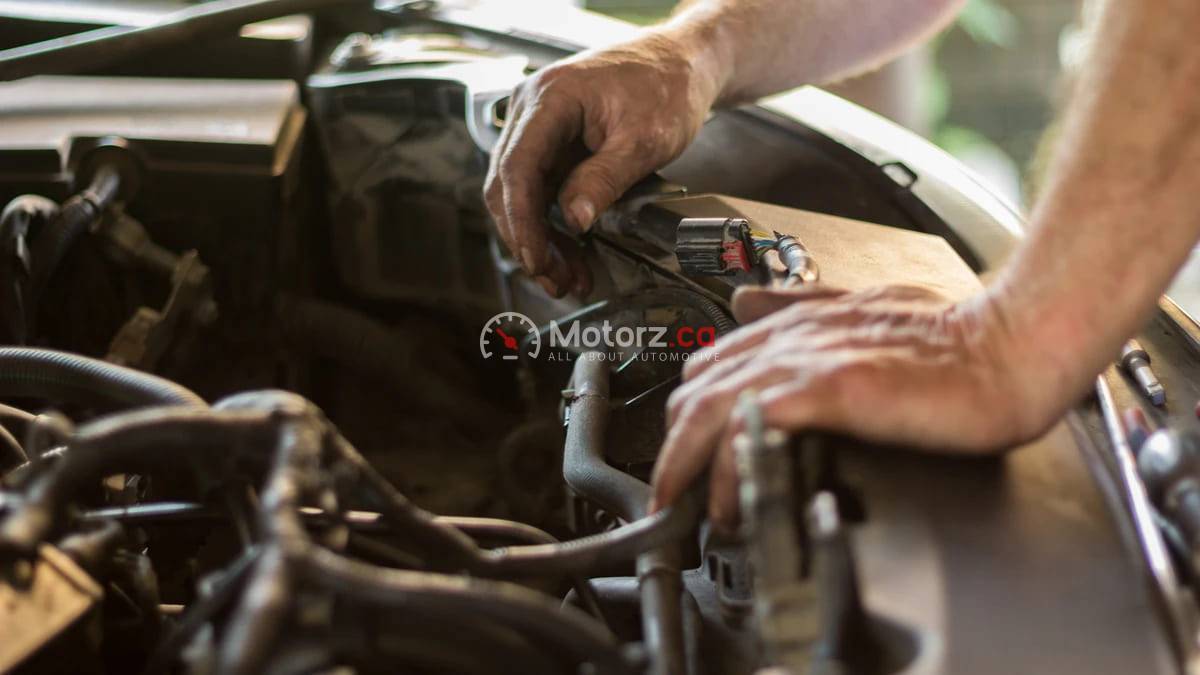

Your Truth About Car Fluids is a complex symphony of moving parts, and like any machine, it needs proper lubrication and temperature regulation to function smoothly. The lifeblood of your vehicle isn’t just one fluid; it’s a collection of essential liquids, each with a specific job. Ignoring these fluids is one of the most common and costly car maintenance mistakes. A simple check can prevent catastrophic engine damage, transmission failure, and even a loss of braking ability.
For many car owners, the hood of the Truth About Car Fluids is a mysterious place. But what if demystifying it was a key to saving thousands of rupees in potential repairs? This comprehensive guide will walk you through the most crucial fluids you need to know about, how to check them safely, and when to get a professional to intervene. By the end, you’ll feel empowered to perform your own routine car fluid checks and ensure your vehicle runs reliably for years to come.
The Big Four: Your Most Critical Fluids
There are a handful of fluids that are absolutely non-negotiable for your Truth About Car Fluids health. Think of them as the “Big Four.” Checking these regularly is the single most important routine maintenance task you can do.
Engine Oil Truth About Car Fluids
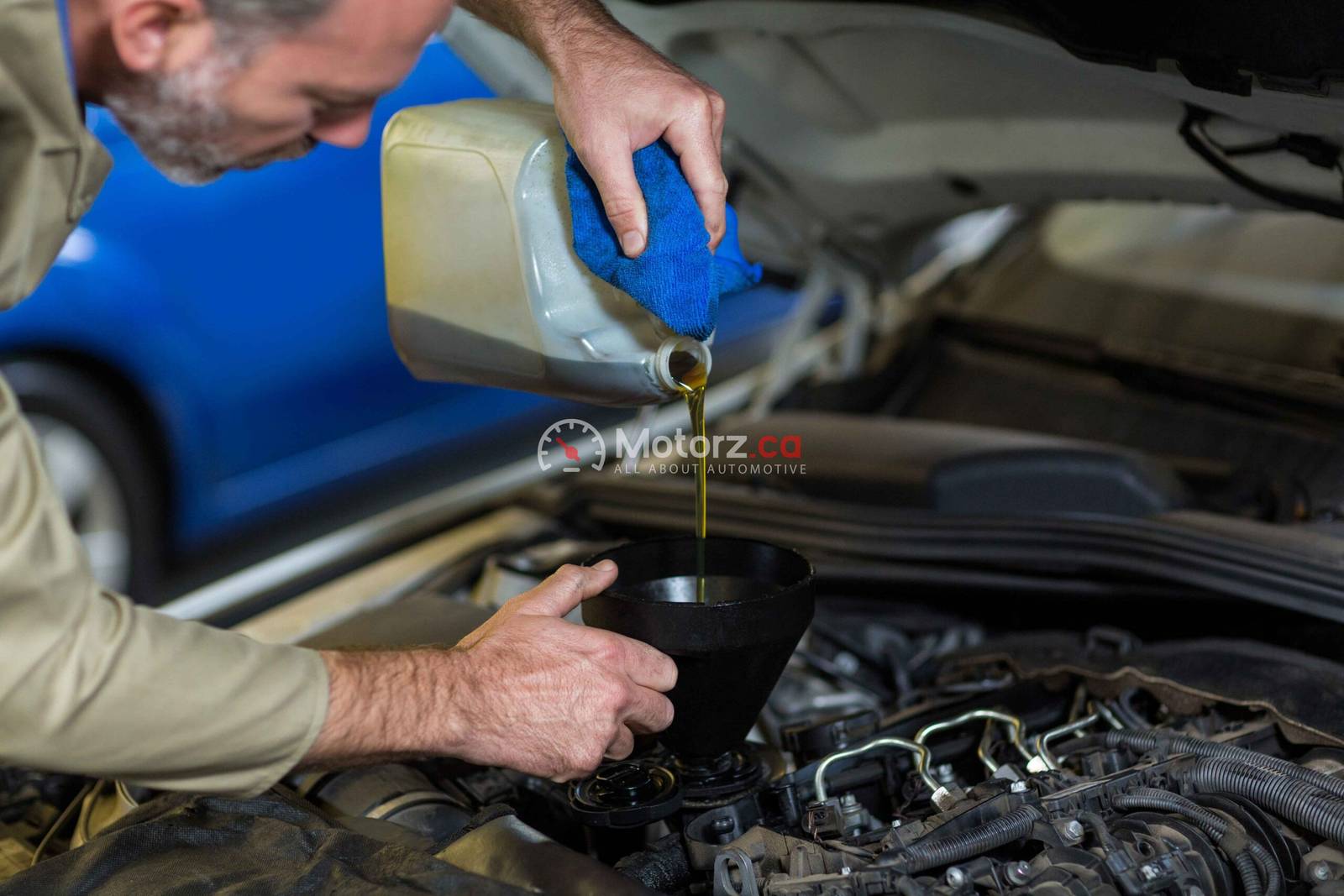
What it does: Engine oil is the lifeblood of your Truth About Car Fluids engine. It lubricates the thousands of moving parts to reduce friction, dissipate heat, and protect against wear and tear.
How to check:
Park on a Level Surface: Ensure your car is on a flat, level surface.
Wait for it to Cool Down: Turn off the engine and wait about 5-10 minutes for the oil to settle in the pan. Warning: The dipstick and surrounding components can be Truth About Car Fluids.
Locate the Dipstick: Find the oil dipstick, which usually has a brightly colored handle (yellow or orange) with an oil can symbol on it.
Pull and Wipe: Pull the dipstick out, wipe it clean with a rag, and reinsert it fully.
Check the Level and Color: Pull it out a second time and check the oil level. It should be between the “Add” and “Full” marks. Also, inspect the Truth About Car Fluids. New oil is an amber or golden color, while old oil is dark brown or black. If it looks like tar or has a milky, frothy appearance, it’s a sign of a serious problem.
When to check: At least once a month, and always before a long road trip.
Coolant (Antifreeze)
What it does: Coolant, or antifreeze, prevents your engine from overheating in the summer and freezing in the winter. It circulates through the engine block and radiator, transferring heat away from the engine.
How to check:
When the Engine is Cold: NEVER open a hot radiator cap or coolant Truth About Car Fluids. The system is under pressure, and you could be seriously burned by hot steam and fluid. Wait until the engine is completely cool.
Locate the Reservoir: Find the plastic coolant reservoir tank, which is often translucent and has “Min” and “Max” markings.
Check the Level: The fluid level should be between the minimum and maximum lines. A low level could indicate a leak.
Inspect the Color: Coolant comes in different colors (green, orange, pink, etc.), but it should be bright and clean. A rusty, oily, or sludgy appearance means it’s time for a professional flush.
When to check: With every Truth About Car Fluids change or every few months.
Brake Fluid
What it does: Brake fluid is a hydraulic fluid that transfers the force from your brake pedal to the brake calipers, stopping your Truth About Car Fluids. It’s a critical safety component.
How to check:
Locate the Reservoir: Find the small, typically translucent reservoir on top of the master cylinder near the firewall. It will have a cap with a brake symbol.
Check the Level: The fluid level should be between the “Min” and “Max” lines. A low level could indicate a leak in the brake lines or that your brake pads are critically worn down.
Inspect the Color: Brake fluid should be clear or have a light amber color. If it looks dark brown or black, it’s old and has absorbed Truth About Car Fluids, which can compromise its effectiveness.
When to check: Every oil change or at least twice a year. If you notice a sudden drop, get it checked by a mechanic immediately.
Transmission Fluid
What it does: Transmission fluid lubricates the moving parts within your transmission, cools the system, and helps with gear shifting.
How to check (Automatic Transmissions):
Check it Warm: With most Truth About Car Fluids, the engine should be running and warm, and the car should be in Park on a level surface.
Locate the Dipstick: Find the transmission dipstick, which is usually located near the firewall and often has a red handle.
Pull and Wipe: Pull the dipstick, wipe it clean, and reinsert it fully.
Check the Level and Color: Pull it out again and check the fluid level and color. The fluid should be a bright red or pink. If it’s brown or black and smells burnt, it’s a sign of serious transmission wear and requires professional attention.
When to check: Most manufacturers recommend a professional check with a service interval in the Truth About Car Fluids manual. A general rule is every 2-3 months.
The Lesser-Known but Still Important Fluids
While the Big Four are your primary concern, don’t forget these other crucial fluids that contribute to your car’s safety and performance.
Power Steering Fluid
What it does: This fluid helps you turn the steering wheel with ease. A low level or contaminated fluid can make steering difficult and cause a whining noise when you turn.
How to check:
Locate the Reservoir: Find the reservoir with a cap marked with a steering wheel symbol.
Check the Level: The dipstick on the cap or markings on the reservoir itself will show you if the fluid is at the correct level.
When to check: Twice a year or if you notice a whining sound when turning the wheel.
Windshield Washer Fluid
What it does: While seemingly minor, this fluid is crucial for maintaining clear visibility, especially in dusty conditions common in cities like Truth About Car Fluids.
How to check:
Locate the Reservoir: The reservoir is typically a clear plastic container with a cap marked with a windshield and water spray symbol.
Check and Top Up: Simply look at the fluid level. If it’s low, top it up with a windshield washer fluid. Warning: Do not use water, as it can freeze in winter and doesn’t clean as effectively.
When to check: With every fuel fill-up.
Differential and Transfer Case Fluid
What they do: These fluids are in cars with all-wheel drive or four-wheel drive systems. They lubricate the gears that transfer power to all the wheels.
How to check: These are more complex and are best left to a professional mechanic during routine car maintenance.
When to check: Consult your owner’s manual for service intervals, typically every 50,000 to 100,000 kilometers.
The Golden Rules of Fluid Maintenance
Consult Your Owner’s Manual
This is the single most important rule. Your owner’s manual is a tailored guide for your specific vehicle. It will tell you the exact type of fluid to use, the capacity, and the recommended service intervals.
Don’t Ignore a Drop in Fluid Level
If you’re consistently topping up a fluid, it’s not a normal part of maintenance. It’s a sign of a leak. A professional mechanic should inspect your car immediately to find the source of the leak and fix it before it causes major damage.
Pay Attention to Color and Smell
The color of a fluid can tell you a lot about its condition. A change in color or a burnt smell is a clear sign that the fluid is old and needs to be replaced.
A Proactive Approach to Car Care
In a busy city like Truth About Car Fluids, where a reliable car is essential, being proactive about fluid checks can save you from unexpected breakdowns and costly repairs. Taking just a few minutes each month to look under the hood and get a sense of your car’s fluid levels is an empowering habit. It’s not just about adding fluid; it’s about listening to what your car is trying to tell you.
By understanding the truth about your car’s fluids and when to check them, you’re not just performing maintenance; you’re building a relationship with your vehicle, one that is based on trust, knowledge, and a commitment to keeping it running in peak condition.