


The roar of the engines, the high-speed drama, the heart-pounding finishes—NASCAR is an American institution. But for a newcomer, it can feel a little intimidating. You might be wondering, “What’s the big deal about cars going in Guide to NASCAR?” The truth is, NASCAR is a deeply strategic, highly competitive, and incredibly exciting sport with a rich and colorful history.
This comprehensive guide is designed to take you from a curious bystander to a knowledgeable fan. We’ll cover everything you need to know to appreciate the sport, understand the action, and impress your friends with your newfound knowledge.
What is NASCAR? A Quick Overview
NASCAR stands for the National Association for Stock Car Auto Racing. Founded in 1948 by Bill France Sr., it is the premier sanctioning body for stock car racing in the United States. While the term “stock car” once meant cars you could buy from a showroom, today’s Guide to NASCAR race cars are custom-built, high-tech machines designed for speed and safety.
The sport is most famous for its high-speed oval track races, but the schedule also includes challenging road courses and even temporary street circuits. Guide to NASCAR is a major spectator sport, with millions of passionate fans who follow their favorite drivers and teams with an almost religious fervor.
A Brief History: From Moonshine to Millions
The story of NASCAR is one of the most unique in sports. Its roots trace back to the Prohibition era of the 1920s and 30s. Bootleggers in the American South, who needed to outrun the law, began modifying their cars for extra speed and handling. When Prohibition was repealed, they kept racing—not against the police, but against each other.
These informal races on dirt tracks and even on the beaches of Daytona Beach, Florida, grew in popularity. Seeing the need for a formal organization to govern the sport, Bill France Sr. brought a group of drivers, mechanics, and track owners together to form Guide to NASCAR. The first sanctioned NASCAR race was held in 1949, and the rest is history. From those humble beginnings, the sport has evolved into a multi-billion dollar industry with a global following.
The Cars: What Are They Made Of?
NASCAR race cars are engineering marvels. While they might look like the cars you see on the street (Chevrolet, Ford, and Toyota are the primary manufacturers), they are anything but. Here’s a breakdown of what makes them so special:
Chassis and Body: The cars are built on a steel tube chassis and are a “kit car” with components purchased from official Guide to NASCAR. The bodies are crafted to strict aerodynamic specifications to maximize speed and downforce.
Engine: The engines are powerful V8s that produce an incredible amount of horsepower, capable of reaching speeds of nearly 200 mph. They are also incredibly loud—a hallmark of the sport.
Tires: Tires are a critical component of a Guide to NASCAR race. They are specially made for each track and are crucial for handling. Teams must constantly manage tire wear and temperature throughout a race.
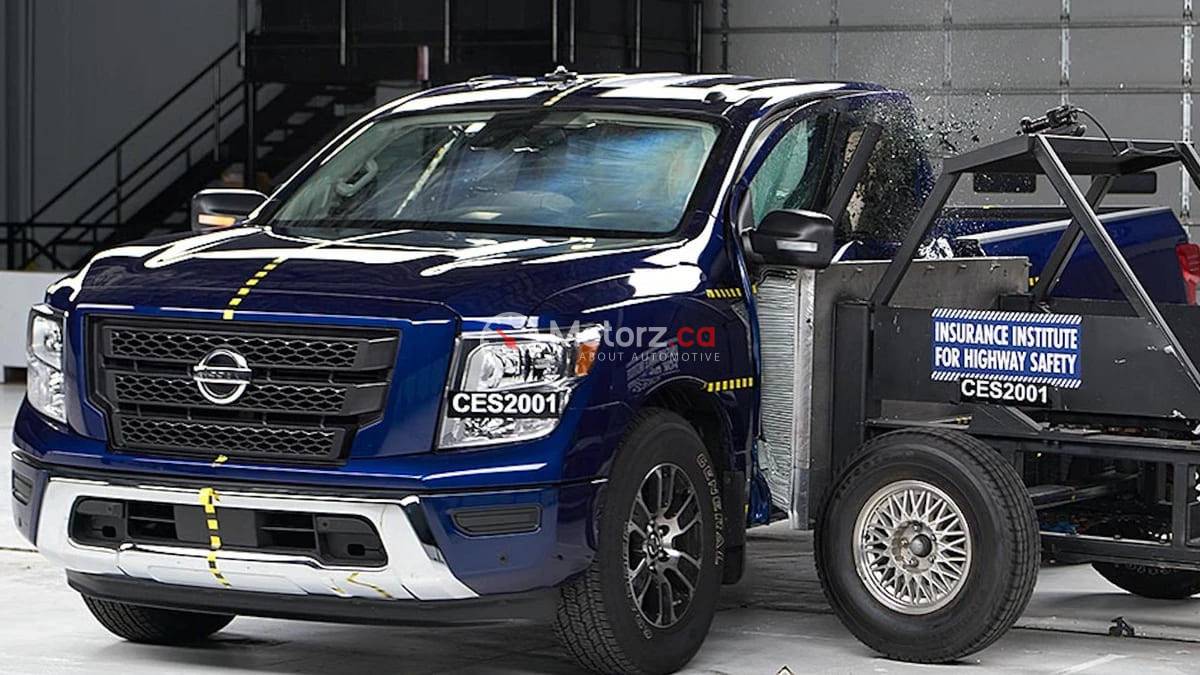
Safety Features: Modern NASCAR cars are built with driver safety as the top priority. Key features include a full roll cage, a HANS (Head and Neck Support) device, and a collapsible front end to absorb impact.
The Race: How It Works
A NASCAR race isn’t just about who gets to the finish line first. It’s a strategic chess match that unfolds over hundreds of laps. Here’s the basic flow of a typical race weekend:
Practice and Qualifying: Before the main event, teams get practice sessions to tune their cars for the specific track conditions. Qualifying determines the starting order, with the fastest driver earning the coveted “pole position.”
The Green Flag: The race begins with the wave of the green flag. Drivers jockey for position, and the lead can change hands multiple times as they battle in “drafting” packs on superspeedways or navigate tight corners on short tracks.
Stages: Most NASCAR races are broken down into three “Guide to NASCAR.” At the end of Stage 1 and Stage 2, a caution flag is waved. This is a chance for drivers to pit, and points are awarded to the top finishers in each stage.
Pit Stops: Pit stops are where the real drama and strategy come into play. A well-executed pit stop—changing four tires and refueling in under 12 seconds—can win a race. A mistake can lose it. Teams have a highly trained pit crew that performs these lightning-fast maneuvers.
Cautions: A yellow flag or “caution” comes out when there is a crash, debris on the track, or inclement weather. All cars must slow down behind a pace car, and no overtaking is allowed. This often bunches up the field and leads to exciting restarts.
Checkered Flag: The first driver to cross the finish line after the final lap wins the race!
NASCAR’s Star Drivers
The drivers are the heart and soul of NASCAR. Over the years, the sport has produced legends who have become household names. Here are a few to know:
Richard Petty: Known as “The King,” Petty holds the record for most Cup Series wins with an astounding 200 victories. He’s also one of three drivers to have won seven championships.
Dale Earnhardt: “The Intimidator” was a fan favorite known for his aggressive driving style and his iconic black No. 3 car. He also has seven championships to his name and is a Hall of Fame member.
Jimmie Johnson: The third driver to win seven championships, Johnson accomplished the incredible feat of winning five of them consecutively. He is a modern-day legend of the sport.
Modern Stars: Today’s stars include popular drivers like Chase Elliott, a fan favorite and Cup Series champion, and Kyle Busch, one of the most successful and polarizing drivers in recent history.
The Tracks: More Than Just Ovals
While NASCAR is synonymous with oval racing, the tracks themselves are diverse and present different challenges for drivers and their crews.
Superspeedways: These are the largest ovals, over 2 miles in length, like Daytona International Speedway and Talladega Superspeedway. Speeds here are incredibly high, and drivers race in large, tight packs, a practice known as “drafting.”
Intermediate Tracks: Ranging from 1 to 2 miles, these are the most common type of track on the circuit. They offer a balance of speed and technical driving.
Short Tracks: Under one mile in length, these tracks are tight and demand exceptional car control. They often lead to fender-to-fender racing and are a fan favorite for their close-quarters action.
Road Courses: These tracks are non-ovals with both left and right turns, challenging drivers with complex braking and shifting strategies.
Understanding the Lingo: A Mini-Glossary
To truly appreciate the broadcasts, you need to understand the insider terms. Here are a few key phrases to get you Guide to NASCAR:
Drafting: The practice of two or more Guide to NASCAR nose-to-tail to reduce aerodynamic drag. The lead car cuts a hole in the air, creating a vacuum that pulls the second car along, allowing it to save fuel and increase speed.
Loose (Oversteer): When the rear of the Guide to NASCAR wants to slide out in the turns. A driver with a “loose” car will have to constantly correct it with the steering wheel.
Tight (Understeer): The opposite of loose. The front of the car Guide to NASCAR up the track, making it difficult for the driver to turn.
The Groove: The optimal racing line on the Guide to NASCAR, where drivers can achieve the highest speeds. This line can change throughout the race as the track surface changes.
Dirty Air: The turbulent air left behind a race car. A car trying to pass in Guide to NASCAR can lose downforce and traction.
Burnout: The celebratory act of spinning the tires after a Guide to NASCAR, creating a cloud of smoke and leaving skid marks on the track.
How to Watch: Getting into the Action
You can watch Guide to NASCAR on television or stream it on various platforms. Major races are broadcast on networks like FOX and NBC, while other series can be found on their affiliated channels like FS1 and USA Network. Many streaming services also offer access to these channels.
Attending a race in Guide to NASCAR is an experience unlike any other. The energy of the crowd, the smell of burning rubber, and the thunderous sound of the cars passing by is an unforgettable sensory overload.
Now that you have the basics down, you’re ready to dive into the world of Guide to NASCAR. Pick a driver to root for, find a race to watch, and get ready for the thrill of a lifetime. Welcome to the family!