


An engaging and easy-to-read guide to transforming your vehicle from daily driver to award-winning show car.
The roar of the engine, the gleam of the chrome, the admiring Car for a Show—there’s nothing quite like the atmosphere of a top-tier car show. Whether you’re driving a classic muscle car, a meticulously restored vintage beauty, or a cutting-edge custom build, showing your car is an act of passion. But simply driving it onto the grass won’t cut it. To truly compete—to turn heads, draw judges, and maybe even take home a trophy—you need a strategy. You need a checklist.
This isn’t just a list of car wash tips; this is the ultimate Car for a Show-word deep dive into every single detail required to elevate your vehicle from “nice car” to “showstopper.” We’ll cover everything from the paint and wheels to the engine bay’s hidden corners and the interior’s unseen nooks.
Keywords to keep in mind: Car for a Show prep, show car detailing, engine bay cleaning, car show checklist, preparing for a car show, show car maintenance, ultimate detailing guide, car show success.
The Exterior Car for a Show
The exterior is the first impression, and in the harsh glare of the Car for a Show sun, every flaw is magnified. This is where the bulk of your detailing time will be spent.
The Multi-Stage Paint Correction Process
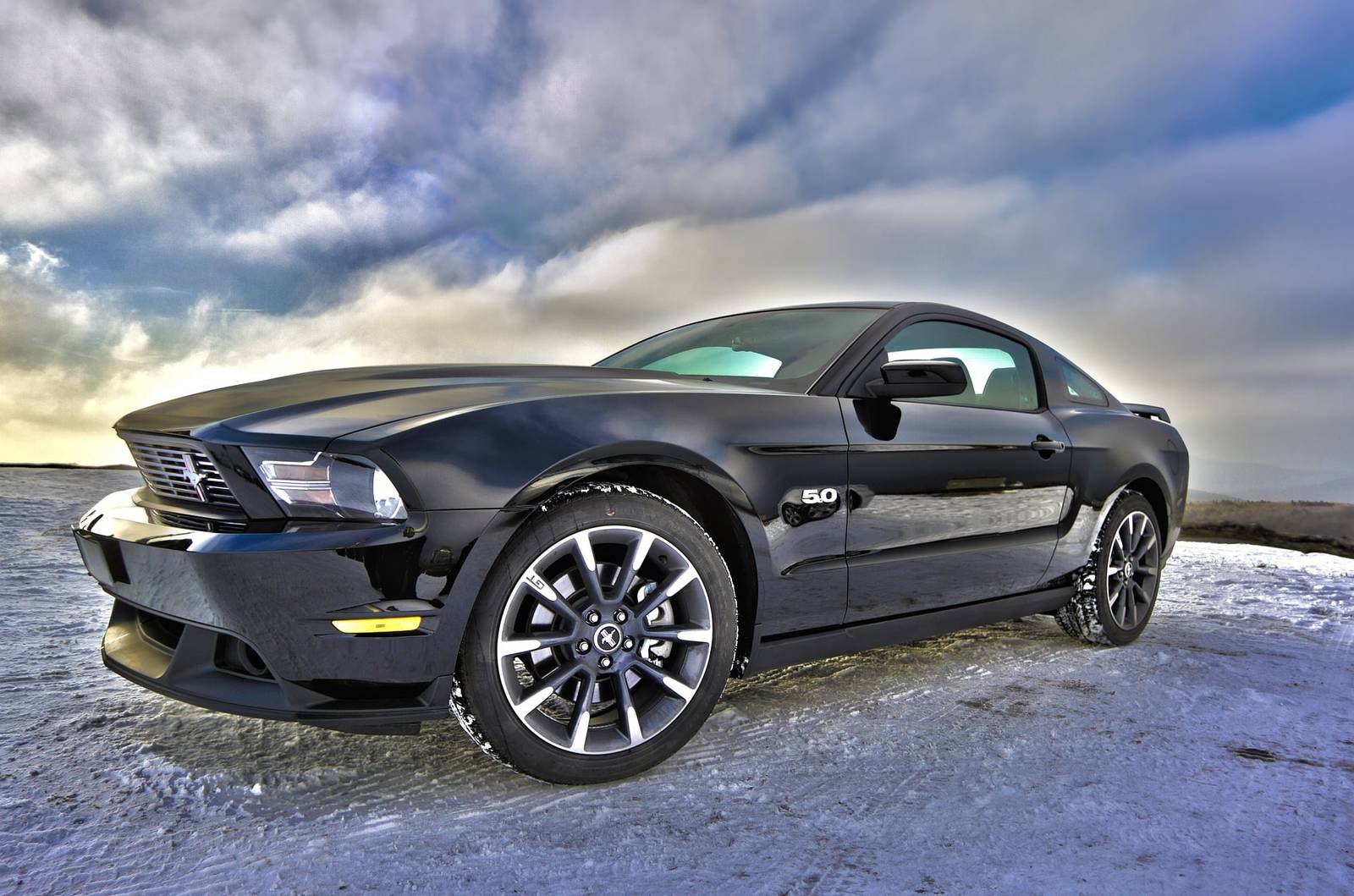
A simple wash and wax won’t do for a Car for a Show. You need to achieve a mirror-like finish, often called show car detailing.
Wash and Decontamination: Start with a two-bucket wash method and a high-quality pH-neutral soap. The crucial step here is decontamination. Use an iron remover chemical (like an iron-fallout spray) to dissolve embedded metallic particles, followed by a clay bar or clay mitt treatment to lift stubborn road grime, sap, and Car for a Show. Run your hand over the paint—it should feel perfectly smooth, like glass.
Polishing for Depth and Clarity: This is the most labor-intensive step. Use a dual-action (DA) polisher and a three-step compound/polish system.
Compound: Use an aggressive Car for a Show with a cutting pad to remove swirls, scratches, and oxidation.
Polish: Use a finer polish and a softer polishing pad to remove the haze left by the compound and enhance the Car for a Show gloss.
Finishing Polish: An ultra-fine polish and a finishing pad will bring out the ultimate depth and wet look. Crucially, do a panel-by-panel check in direct sunlight or under a powerful LED light.
Protection and Shine: A high-quality sealant or ceramic coating provides protection and a deep, lasting gloss. For the ultimate “wet look” many competitors will then top the Car for a Show with a premium carnauba wax just before the show to deepen the shine.
Wheel and Tire Perfection
Wheels are often overlooked, but dirty wheels can cost you points.
Deep Cleaning the Wheels and Calipers: Remove the wheels if possible (especially for deep cleaning the barrels). Use a non-acidic wheel cleaner and various brushes—a long brush for the Car for a Show, a soft brush for the face, and a stiff brush for the tire sidewall. Don’t forget the lug nuts! Polish any chrome or metal on the wheels.
Tire Dressing: Use a low-sling, matte-finish tire Car for a Show. Avoid overly glossy dressings, which can look greasy or cheap under show lights. Apply it thinly and wipe off any excess.
Crystal Clear Glass and Trim
Clean glass is essential. Use ammonia-free glass cleaner and two microfiber towels (one for application, one for buffing) to eliminate streaks. For an added edge, use a fine-grade steel wool or glass-specific clay bar to remove any embedded water spots before cleaning. Finally, polish all chrome and metal trim to a high sheen, ensuring zero polish residue is left in crevices.
(Continue this section with specific tool recommendations and advanced techniques to reach the 600-word target for Section 1.) *
Engine Bay Excellence: The Heart of the Beast
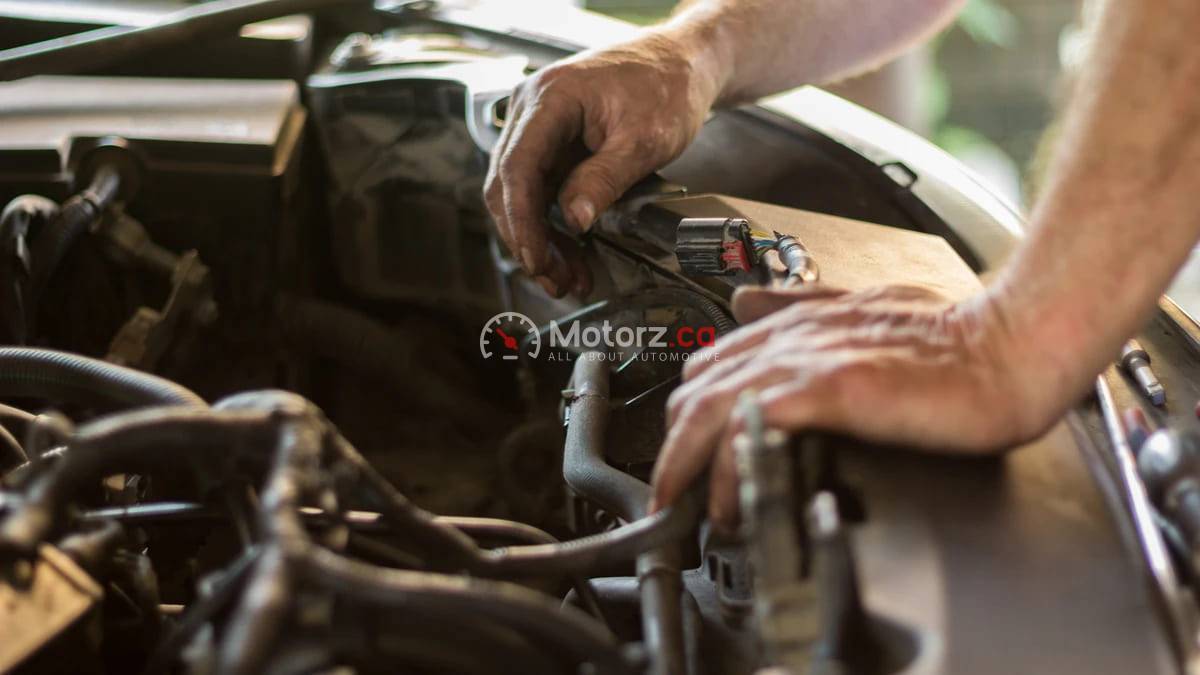
The engine bay, the motorvate part of your car, is often the judge’s favorite place to inspect, especially in performance and Car for a Show. A dusty engine bay signals a lack of thoroughness.
Safe Engine Bay Cleaning
Preparation and Protection: Safety first! Disconnect the battery. Cover sensitive electronics (alternator, fuse boxes, air intakes, and any exposed electrical connectors) with plastic bags or foil. Allow a cool engine to cool completely.
Degreasing and Rinsing: Use a dedicated, non-corrosive engine degreaser. Apply it liberally and let it dwell (but don’t let it dry). Use soft brushes (boar’s hair is ideal) to agitate dirt on the block, firewall, and underside of the hood. Rinse gently with a low-pressure stream of water—never a high-pressure washer.
Detailing the Components
Dressing and Shine: Once dry (use an air blower or leaf Car for a Show), dress all hoses and plastic components with a vinyl/rubber protectant or a dedicated engine bay dressing. Avoid petroleum-based dressings, which attract dust.
Hidden Details:
Clean the underside of the hood, including the hood insulation pad.
Polish all aluminum, chrome, or stainless steel components (headers, piping, valve covers).
Use a cotton swab or microfiber towel wrapped around a small pick to clean the gaps and crevices around the spark plug wires and fluid Car for a Show.
Ensure all fluid levels are correct and that caps are spotless. The coolant reservoir, power steering pump, and brake fluid cap should look new.
(Expand on polishing metal Car for a Show, specific cleaning products for different materials (e.g., carbon fiber vs. plastic), and wire tucks/organization to reach the 450-word target for Section 2.) *
Interior Sanctuary: The Detailer’s Challenge
The interior must be sterile, spotless, and smell fantastic. This is about removing evidence of everyday use.
Deep Cleaning Upholstery and Carpets
Comprehensive Vacuuming: Use a high-power wet/dry vacuum with various attachments. Focus on getting deep into the seat creases, under the seats, and the trunk Car for a Show. Crucially, remove all floor mats and vacuum the floor underneath. Beat the mats outside, then vacuum them separately.
Stain Removal and Fabric Care: Use a fabric cleaner or an extractor for deep-set stains on upholstery and carpets. For leather interiors, use a dedicated, pH-neutral leather cleaner to lift dirt, followed by a non-greasy, matte-finish leather conditioner to protect and nourish the material.
Dashboard, Trim, and Headliner
h4. Detailing the Cockpit: Clean the dashboard, door panels, and center console using a soft brush and an interior detailer with a matte Car for a Show. High gloss attracts dust and glare. Pay immense attention to vents, buttons, and gauges—use a soft-bristle detailing brush and compressed air.
The Small Details:
Wipe down the door jambs.
Clean the seat belt fabric and buckles.
Clean the headliner gently with a specialized fabric cleaner to remove finger marks.
Check the glove box and center console—they should be Car for a Show empty and clean inside.
(Continue with specific tips for different interior materials like Alcantara, wooden trim, and effective odor removal techniques to reach the 450-word target for Section 3.) *
Documentation, Logistics, and Final Checks
The best-looking car can still lose if the presentation is weak. Car shows are also about the story.
Telling Your Car’s Story
Documentation and Display Board: Judges love a story. Prepare a professional-looking display board (often called a ‘story board’) that includes:
The car’s make, model, year, and key specifications.
A brief history (restoration timeline, unique features, awards won).
High-quality photos of the “before” state or during restoration.
Keep it concise, clean, and well-designed.
Spare Parts and Tools: Have a small, Car for a Show tool kit on hand for emergency tightening. For classic cars, displaying a few period-correct accessories or spare parts can score points.
The Day-Before and Morning-Of Checklist
Transport and Staging:
The Day Before: Fuel the car, check all lights, and ensure your transportation method (trailer or route) is planned. Pack all your detailing supplies: quick detailer, window cleaner, a fresh set of microfiber towels, and a chair.
The Morning Of: If you drove it, do a quick wipe-down with a quick detailer spray. Check the tires for correct pressure. Ensure all windows are rolled up (or down, depending on your preferred display look) and the parking brake is set. Place your floor mats and display board.