
Audio Upgrades for Your Ride is our second home. It’s where we listen to our favorite playlists on the way to work, sing along to podcasts on a road trip, and unwind after a long day. But for many, the listening experience is a letdown. The factory-installed audio system is often flat, lacks bass, and distorts when you turn up the volume.
If you’re ready to transform your vehicle into a rolling concert hall, you’ve come to the right place. Upgrading your car’s audio system is one of the most rewarding modifications you can make. It’s not just about more volume; it’s about clarity, depth, and a more immersive experience. This guide will walk you through everything you need to know, from the basic components to a full system overhaul, catering to every budget and skill level.
Understanding the Core Components of a Car Audio System
Before you start shopping, it’s crucial to Audio Upgrades for Your Ride the building blocks of a car audio system. Think of it like a symphony orchestra, where each component plays a vital role in creating a harmonious sound.
The Head Unit Audio Upgrades for Your Ride:
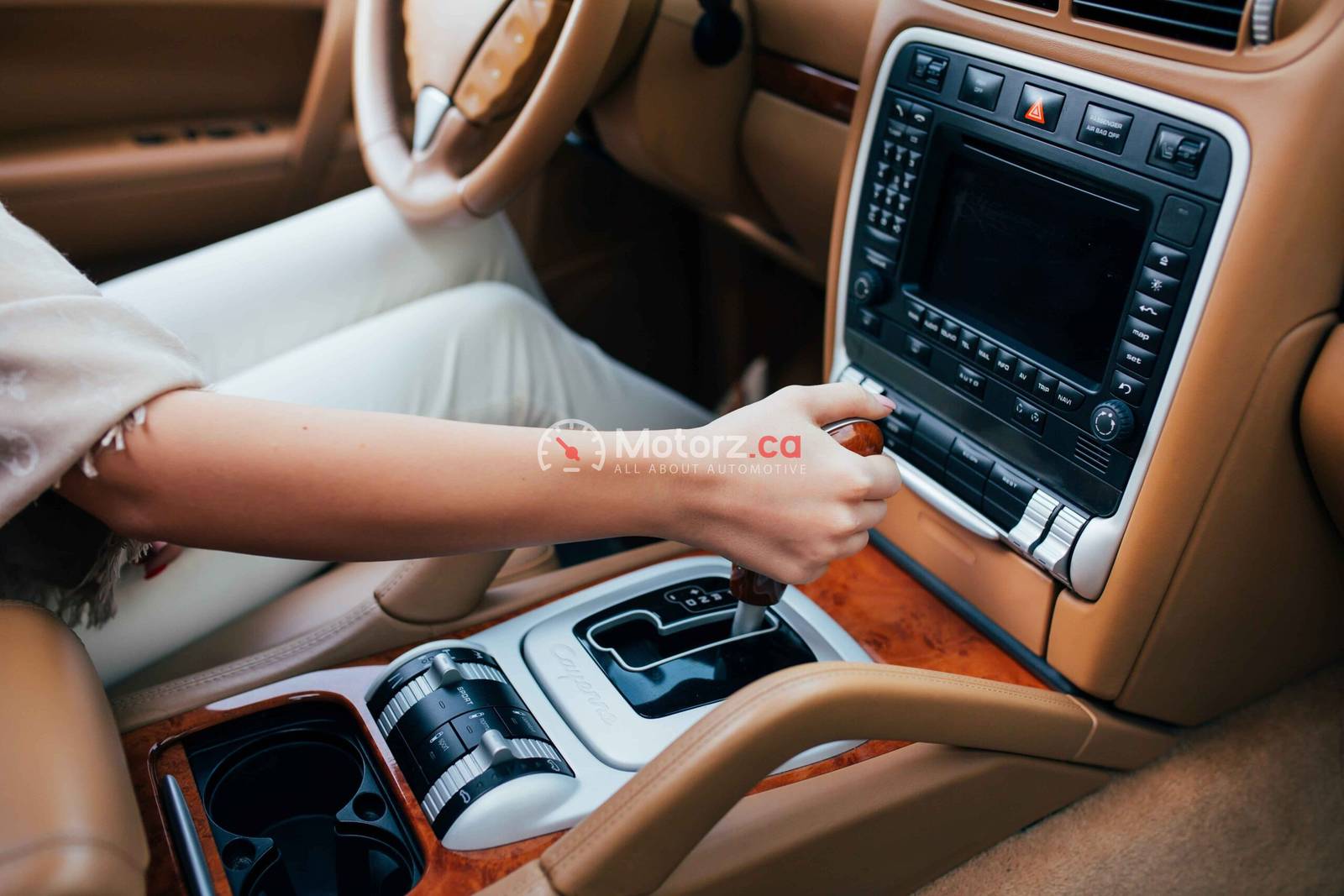
This is the brain of your Audio Upgrades for Your Ride. The head unit, also known as the car stereo or receiver, is the central control panel located in your dashboard. It’s where you select your audio source (radio, Bluetooth, USB, CD) and control volume, bass, and treble.
Upgrades: Modern head units offer a wealth of features that factory models often lack, such as touchscreen displays, Audio Upgrades for Your Ride and Android Auto integration for seamless smartphone connectivity, Bluetooth for hands-free calling and music streaming, and built-in equalizers for advanced sound tuning.
Considerations: In many modern vehicles, replacing the head unit is difficult or impossible due to complex vehicle integration. In these cases, you’ll need to use a professional audio processor to integrate new components with your existing factory stereo.
Speakers:
Speakers are what turn electrical signals into sound Audio Upgrades for Your Ride. The quality of your speakers is arguably the most important factor in the overall clarity and fidelity of your system. Upgrading from flimsy factory speakers to high-quality aftermarket speakers is often the single most impactful upgrade you can make.
Types: There are two main types of car speakers:
Coaxial (Full-Range) Speakers: These are the most common and easiest to install. They contain all the speaker components—the woofer, tweeter, and sometimes a midrange driver—in a single unit. They are a great, budget-friendly option for a significant audio Audio Upgrades for Your Ride.
Component Speakers: A component system separates the individual speaker drivers. The woofer handles the low-to-mid frequencies, the tweeter handles the high frequencies, and a crossover directs the correct frequencies to each speaker. This setup offers superior sound imaging and clarity but is more complex to install.
Amplifiers:
While your head unit has a small, built-in Audio Upgrades for Your Ride, an external amplifier is essential for a true audio upgrade. An amp’s job is to take the low-level audio signal from the head unit and boost it so it’s strong enough to drive high-performance speakers and subwoofers without distortion.
Why You Need One: An external amplifier provides more power than a head unit’s built-in amp, preventing your speakers from “clipping” (a form of distortion) at high volumes. This results in cleaner, more dynamic sound and extends the life of your speakers.
Choosing an Amp: Amplifiers are categorized by the number of channels they have. A 2-channel amp can power two speakers, a 4-channel amp can power four, and a mono-block (1-channel) amp is specifically designed to power a single subwoofer. Look at the amplifier’s RMS (Root Mean Square) power rating, not its “peak” power, as RMS indicates the continuous power the amp can reliably deliver.
Subwoofers:
If you’re looking for Audio Upgrades for Your Ride, heart-thumping bass, a subwoofer is the way to go. Standard speakers are not designed to reproduce very low frequencies (bass), but a subwoofer is built specifically for this task. It adds depth, warmth, and a visceral “feel” to your music that you simply can’t get from full-range speakers.
Types: Subwoofers come in various sizes and are typically installed in an enclosure in the trunk. A powered subwoofer is a great all-in-one option that includes both the subwoofer and a built-in amplifier, making installation much simpler.
Upgrading for Every Budget: Step-by-Step
You don’t need to break the bank to get a better Audio Upgrades for Your Ride. Start with a budget in mind and upgrade in stages.
The Starter Upgrade (Under $500):
If your budget is tight, focus on the biggest bang for your Audio Upgrades for Your Ride: upgrading your speakers. This is a massive improvement over a stock system.
Action Plan: Purchase a set of Audio Upgrades for Your Ride for your front doors. They’re easy to install and will deliver a noticeable improvement in clarity and detail. Consider adding a small powered subwoofer to a separate amp for extra oomph without a complex installation.
DIY Tip: You can often find speaker mounting brackets that fit your specific vehicle, making the installation a breeze.
The Mid-Level System ($500 – $1,500):
This is where you start to get a serious return on your investment. With a larger budget, you can add an amplifier and get better quality speakers.
Action Plan: Start with a good 4-channel Audio Upgrades for Your Ride. This will power your front and rear speakers, providing clean, powerful sound. Pair this with a set of component speakers for the front doors. Their separate tweeters will create a better “soundstage” (making it sound like the music is coming from the dashboard, not your feet), and the amplifier will ensure they get the power they need to perform at their best.
Pro Tip: This is also a good time to consider sound deadening. Applying sound-damping material to your car’s doors can significantly reduce road noise and prevent vibrations, allowing your new speakers to sound even better.
The Full Overhaul (Over $1,500):
This is for the true audiophile who wants a concert-like Audio Upgrades for Your Ride. At this level, you can build a system from the ground up, with every component optimized for peak performance.
Action Plan: Start with a high-end head unit that features advanced digital signal processing (DSP) for fine-tuning the sound. Install a dedicated 4-channel amplifier for your speakers and a separate mono-block amplifier for your Audio Upgrades for Your Ride. Choose a high-quality subwoofer in a custom-built enclosure. Finally, install a full component system in the front, and consider a coaxial set for the rear to fill in the sound. Don’t forget to invest in sound deadening for your doors, trunk, and floor to create a silent, rattle-free listening environment.
Expert Advice: At this level, it’s often best to have a professional install the system to ensure all components are wired correctly and tuned for your specific vehicle’s acoustics.
DIY Installation Tips for Beginners
If you’re a hands-on type of person, installing your own car audio can be a rewarding and money-saving project. Here’s a quick checklist to get you Audio Upgrades for Your Ride.
Gather Your Tools: Y
ou’ll need a set of plastic panel removal tools to avoid damaging your car’s interior trim, a screwdriver set, wire strippers, and a voltage meter.
Disconnect the Battery:
ALWAYS disconnect the negative Audio Upgrades for Your Ride of your car’s battery before you begin working on any electrical components. This is a crucial safety step that prevents short circuits and electric shocks.
Research Your Vehicle:
Before you start, look up video tutorials or service manuals for your specific make and model. This will show you exactly how to remove door panels, dash components, and other parts without breaking them.
Plan Your Wiring:
The most common mistake for beginners is poor wiring. Use high-quality, oxygen-free copper (OFC) wire and ensure all connections are Audio Upgrades for Your Ride. Route your power wires away from your speaker and audio signal wires to prevent “engine whine” (a buzzing sound caused by electrical interference).
Test as You Go:
Before you reassemble the entire car, reconnect the battery and test each speaker as you install it. This will save you a lot of time and frustration if something isn’t working.
Choosing the Right Brands
The car audio market is Audio Upgrades for Your Ride, with options for every budget. Here are some of the most respected brands in the industry, broken down by price point.
Entry-Level & Budget-Friendly:
Pioneer, Kenwood, JVC: These brands are staples of the car audio world, offering reliable head units, speakers, and amplifiers at affordable prices.
Kicker, Rockford Fosgate (Prime Series): Known for their Audio Upgrades for Your Ride value, these brands provide great entry-level components that punch above their weight.
Mid-Range & Enthusiast-Grade:
Alpine, JBL, Focal (Access Series): These brands are renowned for their balance of performance and price. Their speakers and amplifiers offer superior clarity and power.
Rockford Fosgate (Punch Series), JL Audio: These are go-to brands for enthusiasts looking for robust, high-quality bass and power.
High-End & Audiophile:
Focal (Utopia Be, Flax Evo), Audison, Morel: These brands are for listeners who demand the absolute best in sound quality, with components engineered for precision and fidelity.
Brax, Helix, Hertz: Representing the pinnacle of car audio technology, these brands are often found in professional competition vehicles.
Upgrading your car’s audio system is a fantastic way to enhance your driving experience. Whether you start with a simple speaker swap or go for a full-blown system, the difference in sound quality is worth it. So, grab your tools, pick your components, and get ready to enjoy your music like never before. Happy listening!