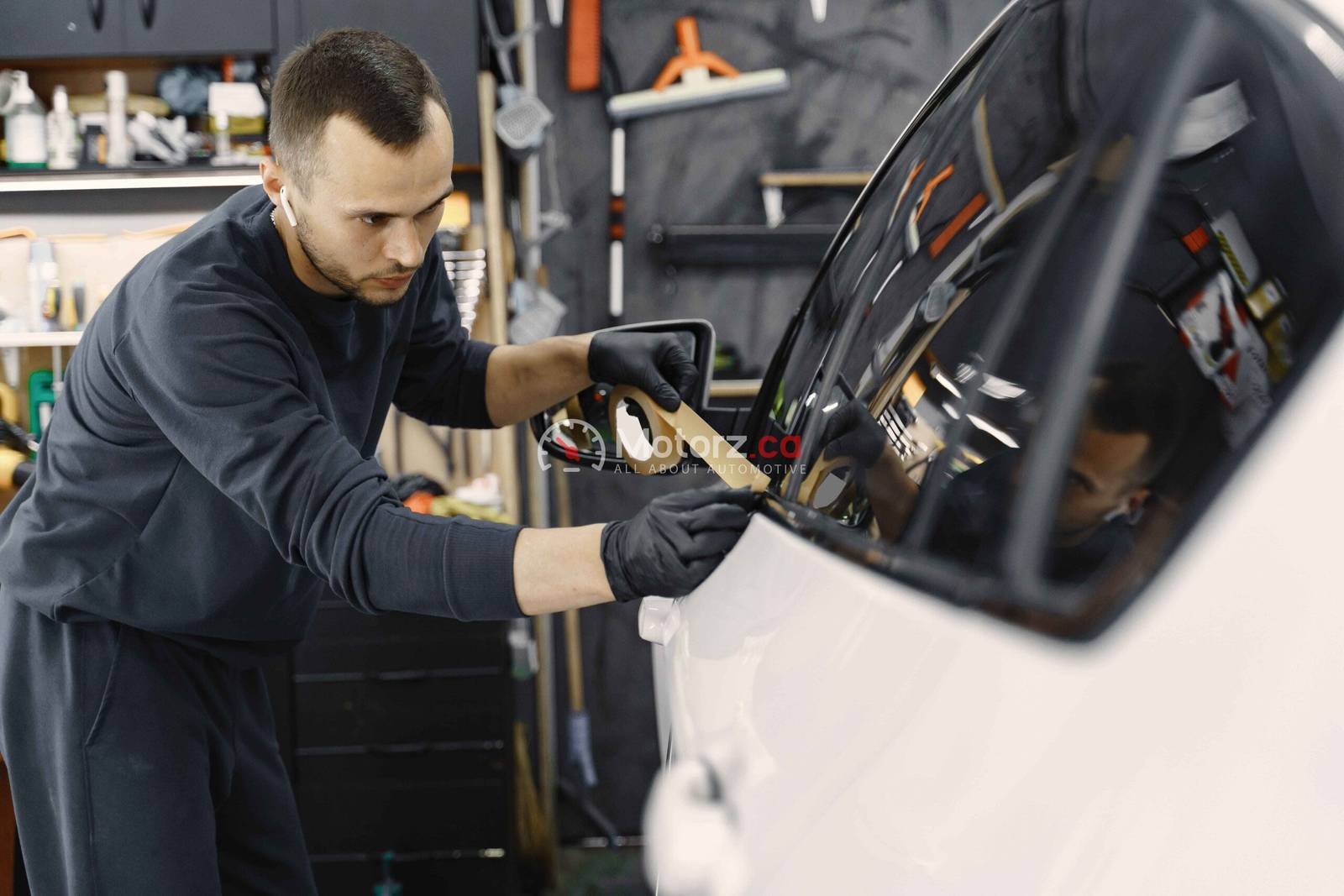

The automotive world is constantly evolving, and today, personalizing your vehicle goes far beyond a fresh coat of paint. For car enthusiasts and everyday drivers alike, car wraps have emerged as the premier solution for both aesthetic transformation and paint protection. Moving into 2025, the technology behind these films—specifically high-grade vinyl and sophisticated Paint Protection Film (PPF)—offers more finishes, durability, and customization than ever before.
This comprehensive guide delves deep into the Car Wraps, the trend-setting finishes, the professional process, and the often-overlooked financial impact of wrapping your vehicle.
Defining the Core: Vinyl vs. PPF
Before diving into finishes, it is crucial to understand the two fundamental materials that form the core of a modern car wrap: Vinyl and Paint Protection Film (PPF). While both are films applied to a car’s exterior, their primary composition, purpose, and longevity are vastly different.
The Aesthetic Master: Vinyl Car Wraps
Vinyl wraps, typically made of Polyvinyl Chloride (PVC), are the workhorse of aesthetic customization. Their primary function is a visual change—a complete, non-permanent color or texture swap that is significantly more affordable and quicker than a Car Wraps paint job.
Primary Function: Complete aesthetic transformation (color, texture, graphics).
Composition: Polyvinyl Chloride (PVC).
Thickness: Generally thinner, ranging from 3 to 4 mils (thousandths of an inch). This pliability allows for easier application on extreme curves.
Protection Level: Low to Moderate. It provides excellent protection against UV fading, minor abrasions, and chemical stains, but offers minimal defense Car Wraps rock chips or deep key scratches.
Lifespan: Typically 2 to 5 years, depending on climate and maintenance.
The Invisible Shield: Paint Protection Film (PPF / TPU)
Often called “clear bra,” PPF is the ultimate investment for preservation. The most advanced PPF on the market is made from Thermoplastic Polyurethane (TPU), a superior elastomer polymer known for its incredible strength and elasticity.
Primary Function: Superior physical protection and preservation of the original factory paint.
Composition: Thermoplastic Polyurethane (TPU). Car Wraps-cost films use TPH, a PVC-based hybrid, which lacks the advanced features of pure TPU.
Thickness: Significantly thicker, ranging from 6 to 10 mils, providing a robust, self-sacrificial layer.
Protection Level: High. It is engineered to absorb the impact of rock chips, gravel, road debris, and deep scratches, which would otherwise damage the paint.
Self-Healing Technology: A key feature of premium TPU PPF is a unique, elastomeric top coat that allows minor scratches and swirl marks to disappear when exposed to heat (like warm water, sunlight, or a heat gun). This feature is absent in standard Car Wraps.
Lifespan: Superior longevity, lasting 5 to 10 years or more.
Advanced 2025 Finishes: Trends and Textures
The year 2025 brings an exciting evolution in finish technology, moving beyond simple glossy colors to offer tactile and optically stunning effects. These finishes are predominantly achieved with high-quality vinyl wraps, though specialized PPF is also available in some finishes.
The Modern Luxuries: Matte, Satin, and Stealth PPF
Matte: This finish absorbs light rather than reflecting it, giving the vehicle a flat, non-glossy, military-grade look. It is a bold statement that signifies high-end customization.
Satin: The perfect middle ground between matte and gloss. Satin offers a low-sheen, silky luster that highlights the vehicle’s body lines without the stark flatness of matte or the harsh reflection of gloss. It is one of the fastest-growing choices for a sophisticated appearance.
Stealth PPF: This is a clear Paint Protection Film that has a matte finish. When applied over a glossy factory paint job, it provides the full protection of PPF while instantly transforming the car’s appearance to a deep, protected matte look.
Specialty and Exotic Finishes
Chrome and Mirror Finishes: Highly reflective, giving the car a true mirror-like finish. These are premium materials, highly sensitive to installation, and significantly increase labor costs, but the result is visually arresting.
Color-Shift (Flip) Films: These films use microscopic layered pigments that make the color appear to change depending on the viewing angle and light source (e.g., from deep purple to iridescent green). They offer an unmatched, dynamic, and exotic look.
Textured Finishes (Carbon Fiber, Brushed Metal): These films are designed to not only look but also feel like another material. Carbon Fiber is the most popular, mimicking the weave pattern for hoods, roofs, and accents. Brushed Metal (aluminum or titanium) gives a sophisticated, raw industrial look.
The Professional Installation Process: A Step-by-Step Breakdown
Achieving a flawless, paint-like finish requires meticulous attention to detail and a controlled environment. A professional wrap is a multi-day process that is far more complex than applying a large sticker.
Surface Preparation: The Crucial Foundation
The longevity and finish quality are 90% dependent on surface preparation.
Detailed Decontamination: The vehicle is first washed with a non-wax, pH-neutral car wash and then aggressively cleaned with a clay bar to remove embedded contaminants (industrial fallout, rail dust, tar).
IPA Wipe-Down: The entire surface is wiped down multiple times using a 70% isopropyl alcohol (IPA) solution. This step ensures all residual oils, waxes, and polish compounds are completely stripped away, allowing the film’s adhesive to bond directly to the clean factory paint.
Panel Disassembly: For a truly seamless finish, parts must be removed. This includes door handles, badges (emblems), side mirrors, taillights, and sometimes even bumpers to ensure the film wraps deep into every edge and recess, eliminating visible paint lines.
Application and Post-Heating
Measuring and Cutting: The installer uses precise measurements, often adding an extra 4 to 6 inches of material on all sides to account for tucking and wrapping around edges. Cutting is performed carefully, often with cutting tape, to prevent the blade from touching the car’s paint.
Laying the Film: The film is carefully laid on the panel. The installer uses a soft, felt-edged squeegee to apply gentle, consistent pressure, working from the center outward to push the air and bubbles out through the film’s air-release channels. The installer must stretch the film just enough to conform to curves without overstretching, which causes premature failure.
Post-Heating (Curing): This is a critical, often-missed step. After the film is applied, every square inch of the wrap must be “post-heated” using a heat gun or infrared heater to a specific temperature (typically 180-220 Fahrenheit, depending on the film). This process ensures the film’s adhesive is fully activated, sets the vinyl’s molecular memory to the shape of the panel, and prevents the vinyl from shrinking or “lifting” later.
The Value Proposition: Cost, Resale, and Durability
A quality wrap is an investment. Understanding the factors that determine its cost and impact its value is essential.
Factors Affecting the Cost in 2025
The price of a professional, full-vehicle wrap is determined by four key variables:
Cost Snapshot (Full Wrap Estimate): A standard quality vinyl wrap on a sedan generally falls in the 2,500 – 4,500 range. A premium TPU PPF full wrap on a luxury sedan can range from 5,000 – 10,000 or more.
Impact on Resale Value: Protection vs. Personalization
PPF (Paint Protection Film): Significantly boosts resale value. The film keeps the factory paint in showroom condition, which is the single most important factor for vehicle valuation. Buyers are willing to pay a premium for a car where the original paint is flawless, and the PPF is evidence of meticulous care.
Vinyl Wrap (Aesthetic): Depends entirely on the design and condition.
Positive Impact: If the wrap is a tasteful, popular color (matte black, satin white) and is well-maintained, it can preserve the paint and appeal to a broader audience.
Negative Impact: If the wrap is a niche, custom design (e.g., highly graphic or neon), or is peeling/faded, it may limit the buyer pool. The solution is simple: a professional wrap removal before sale will reveal the pristine paint underneath, maximizing the resale price.
Long-Term Care and Maintenance: Protecting Your Investment
Proper cleaning is non-negotiable for wrap longevity. Since the finishes are delicate, a specialized routine is required.
The Never-Do List
Do Not Use Automatic Car Washes: Especially those with rotating brushes. They will scratch and scuff matte/satin finishes, lift the vinyl edges, and often use harsh chemicals.
Do Not Use Traditional Wax or Polish: These products contain petroleum distillates that can chemically react with the vinyl, leading to premature breakdown. They also ruin the aesthetic of matte and satin finishes by creating unwanted glossy streaks.
Do Not Power Wash Too Close: Pressure should be kept below 2000 PSI and the nozzle must be held at least 12 inches away from the wrap, especially near edges, seals, and seams.
The Essential Care Routine
Hand Wash Only: Use only pH-neutral car wash soap that is specifically formulated for vinyl or matte/satin finishes (i.e., wax-free).
Two-Bucket Method: Use one bucket for soap and one for rinsing your wash mitt to avoid dragging abrasive dirt particles across the film. A soft microfiber wash mitt is ideal.
Prompt Contaminant Removal: Bird droppings, bug splatter, and tree sap must be removed immediately, as their acidic nature can etch the film permanently. Use a mild spot cleaner or an isopropyl alcohol solution and a soft microfiber cloth to gently dab and wipe them away.
Drying: Air drying is best. If towel drying is necessary, use a plush, clean microfiber towel and blot the surface gently. Do not rub vigorously, especially on matte or satin finishes, as this can create shine spots.
Protection: Apply a Ceramic Coating or specialized Vinyl Sealant that is approved for your specific finish (Matte, Satin, or Gloss). These products add an extra layer of UV and chemical protection, making future cleaning significantly easier.
In 2025, wrapping your vehicle is more than just a passing trend—it is a smart, reversible strategy for customizing your ride while fiercely protecting its long-term value. Whether you opt for the chameleon-like shift of an exotic color-shift vinyl or the invisible, self-healing armor of a TPU PPF, the ultimate guide to car wraps empowers you to make an informed, confident decision for your prized possession.