
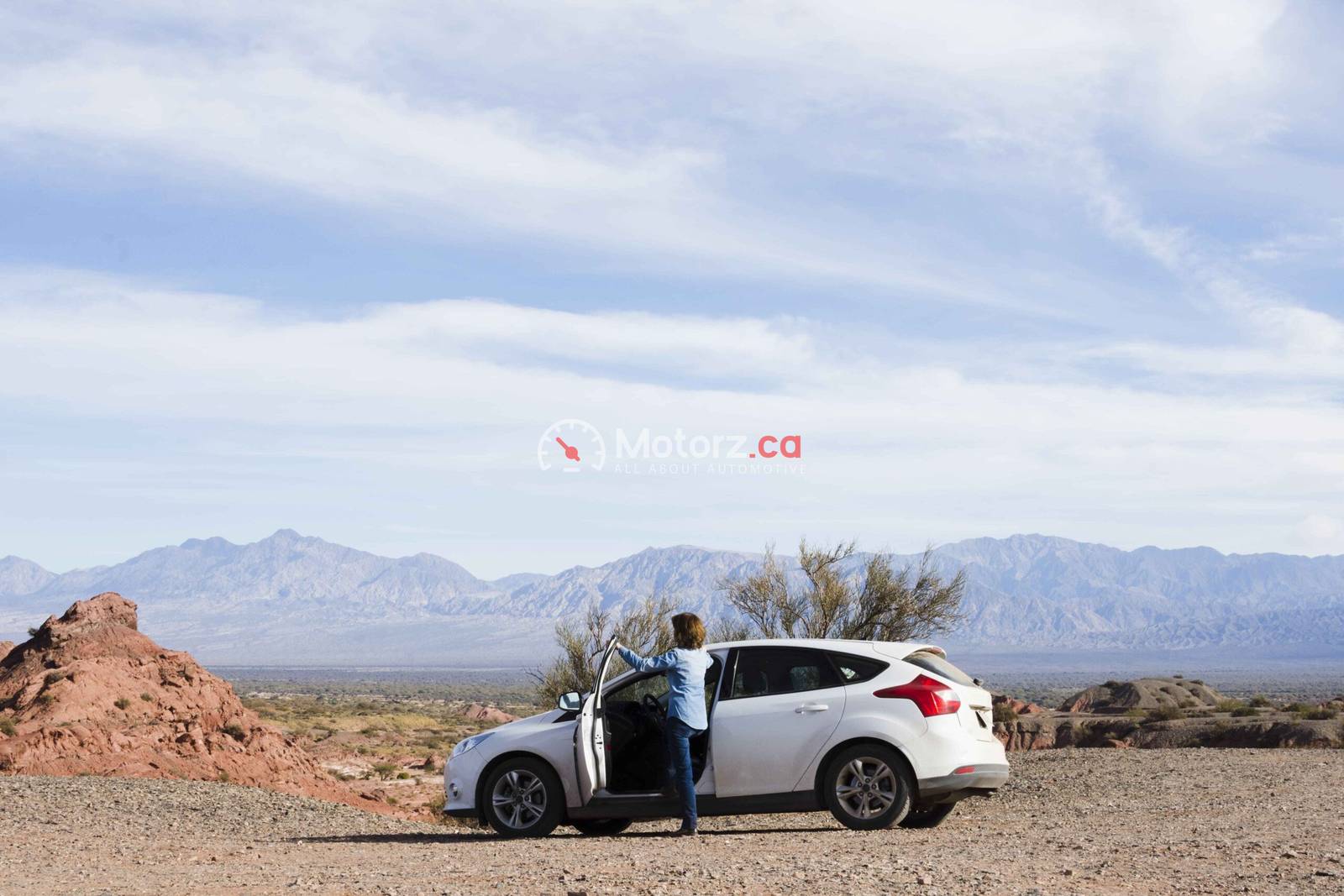

The open road. The promise of adventure. In Quebec, a road trip can take you through some of the most breathtaking landscapes in North America, from the majestic Gaspé Peninsula to the serene shores of the Saguenay Fjord, and the rolling hills of the Eastern Townships. A road trip through this beautiful province is an experience you will never forget.
But as any seasoned Car Ready for a Quebec Road Trip knows, the journey is only as good as the vehicle that gets you there. A stunning view can quickly lose its magic if you’re stranded on the side of a remote highway, waiting for a tow truck. The key to a memorable, stress-free road trip lies in meticulous preparation. It’s about being proactive and ensuring your car is a reliable partner in your adventure, not a potential source of a roadside ordeal.
This guide is your all-in-one resource for getting your Car Ready for a Quebec Road Trip. We’ll walk you through a comprehensive pre-trip inspection, detail the essential items for your roadside emergency kit, and cover the specific legal requirements and driving tips that are unique to Quebec. By the time you’re finished, you’ll be able to hit the road with confidence, knowing you’ve done everything to ensure your trip is all about the memories, not the maintenance.
The Pre-Trip Car Inspection
Before you load a single suitcase, you need to conduct a thorough inspection of your Car Ready for a Quebec Road Trip. Think of this as a complete physical for your car. While a full professional check-up is always a great idea, these simple tasks will cover all the critical bases.
Your Only Contact with Car Ready for a Quebec Road Trip
Your tires are the single most important safety feature on your car. They are the only thing connecting your vehicle to the road, and their condition is paramount for a safe journey.
Check Tire Pressure: Use a quality tire pressure gauge to check the pressure in all four tires, as well as your spare. Check the recommended pressure for your vehicle on the sticker inside the Car Ready for a Quebec Road Trip side door jamb, not the number on the tire’s sidewall. Properly inflated tires provide better fuel economy, handling, and safety.
Check Tread Depth: You can do a simple “penny test” to check your tire’s tread depth. Place a penny into the deepest groove of your tire with the caribou’s nose pointing down. If the snout is completely covered, your tread depth is sufficient. If you can see the tip of the snout, it might be time for new tires. A worn-out tire is a major risk on wet or gravel roads, common in Car Ready for a Quebec Road Trip.
Look for Damage: Do a quick visual inspection of each tire for bulges, cracks, or cuts. These are signs of internal damage and could lead to a blowout, especially on a hot highway.
The Lifeblood of Your Engine
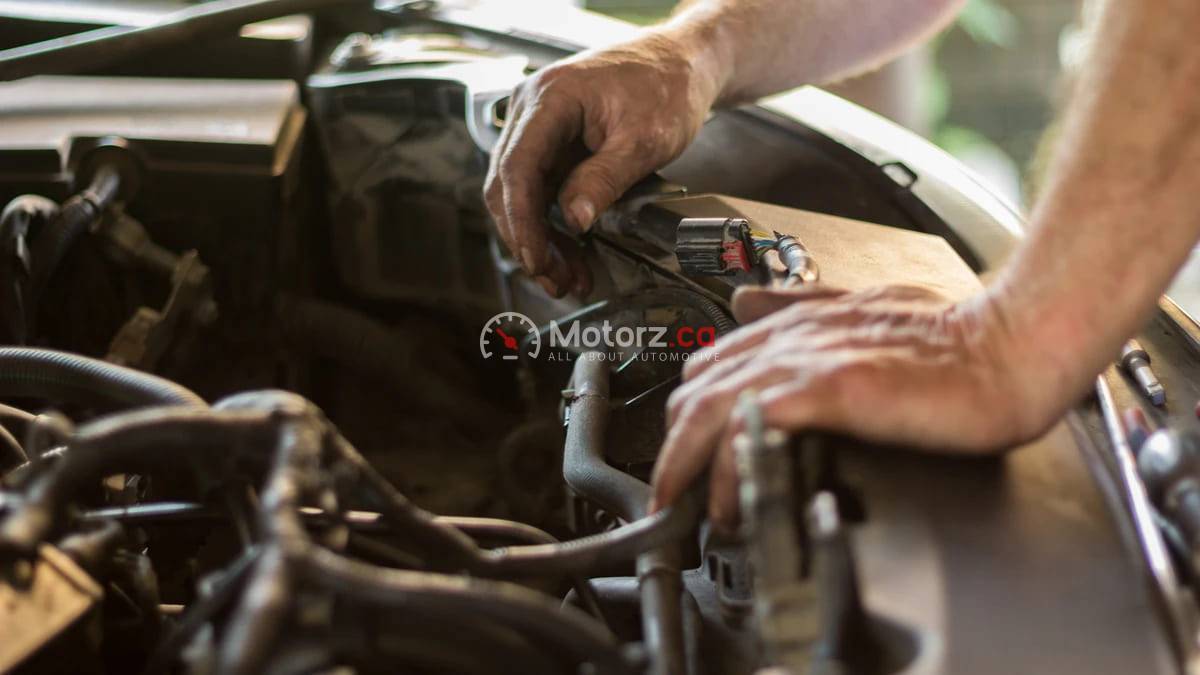
Your car’s fluids are what keep everything running smoothly. A quick check and top-up of these five fluids can prevent a major breakdown.
Engine Oil: Check your Car Ready for a Quebec Road Trip level with the dipstick. The level should be between the “min” and “max” marks. If it’s low, top it up. If it’s dark and gritty, it might be time for an oil change.
Coolant/Antifreeze: Look at the coolant level in the transparent reservoir. It should be between the minimum and maximum lines. Coolant keeps your engine from overheating in summer and freezing in winter.
Brake Fluid: The brake fluid reservoir is typically a small, clear container. The level should be close to the “max” line. If it’s low, get it checked immediately as it could indicate a leak or worn-out brake pads.
Power Steering Fluid: Check the power steering reservoir (if your car has a hydraulic system) and top it up if needed. This fluid is crucial for smooth steering.
Windshield Washer Fluid: A full reservoir of washer fluid is non-negotiable for a road trip. A clear windshield is a safe windshield. For a summer trip, a bug-removing formula is a great idea.
Your Most Important Safety System
Your brakes are the most critical safety system on your car. You should be able to brake with confidence.
Listen for Sounds: Pay attention to any new sounds. A high-pitched squealing when you brake is a warning that your brake pads are worn. A grinding noise means you’re in a dangerous metal-on-metal situation and you need to get to a mechanic immediately.
Feel the Pedal: If your brake pedal feels “spongy” or goes to the floor before engaging, it could indicate a brake fluid leak or a problem with the master cylinder.
Check Pads: If you are comfortable doing so, a quick visual check of your brake pads through the wheels is a great idea. If the pad material looks thin (less than 1/4 inch), it’s time for new ones.
Battery and Belts
Battery Health: Check your battery for any corrosion on the Car Ready for a Quebec Road Trip. A white or bluish-green powdery substance can be cleaned with a wire brush. If your battery is more than 3-4 years old, it’s worth having its charge tested at a local auto parts store. A dead battery on a remote Quebec highway is not the way to start your vacation.
Belts: Take a look at your car’s serpentine belt. Check for any visible cracks, fraying, or missing pieces. A snapped belt can leave you stranded, so replacing a worn one is a great piece of preventative maintenance.
Lights and Wiper Blades
Your ability to see and be seen is paramount for a safe journey.
Test Your Lights: Have a friend or family member help you check all your lights, including high beams, low beams, turn signals, brake lights, and hazard Car Ready for a Quebec Road Trip.
Replace Wiper Blades: If your wiper blades leave streaks or chatter when in use, they are past their prime. Replacing them is a quick, inexpensive task that can drastically improve visibility, especially in a sudden rainstorm.
The Emergency Roadside Kit
A well-stocked emergency kit is a non-negotiable item for any road trip, especially when traveling through remote areas of Quebec. This kit will be your lifeline in the event of an unexpected breakdown.
The Necessities
First-Aid Kit: A well-stocked first-aid kit is essential for dealing with minor cuts, scrapes, and bruises.
Portable Tire Inflator and Repair Kit: A tire inflator that plugs into your Car Ready for a Quebec Road Trip 12V outlet can save you if you get a slow leak. A tire repair kit can temporarily fix a puncture.
Jumper Cables: A dead battery is one of the most common roadside issues. Jumper cables can get you back on the road with the help of a kind passerby.
Flashlight: Always have a flashlight with fresh batteries or a headlamp with you for nighttime emergencies.
Basic Tools: A simple toolkit with screwdrivers, pliers, and an adjustable wrench can help with small fixes.
The Quebec-Specific Extras
Extra Windshield Washer Fluid: You’ll use more of this than you expect, especially when dealing with bugs in the summer or unexpected rain. A bottle of winter-grade fluid is a great item to keep on hand even in summer, as it won’t freeze if you hit an unexpected cold front.
Power Bank/Portable Charger: For those long stretches without Car Ready for a Quebec Road Trip, a fully charged power bank will ensure you can call for help if needed.
Paper Map or Offline Map: Do not rely solely on your GPS. Remote regions of Quebec, like parts of the Gaspé or the Côte-Nord, can have large areas with no cell service. A paper map or a downloaded offline map of your route is a vital backup.
Blankets and Warm Clothing: Even in summer, temperatures can drop in more northern or mountainous regions. Having a blanket and some warm layers in your car is always a good idea.
The Documents and Legal Requirements
Your Car Ready for a Quebec Road Trip isn’t the only thing that needs to be ready. You need to make sure you have all the necessary paperwork and know the key driving laws of the province.
Essential Documents
Make sure these three documents are easily accessible in your Car Ready for a Quebec Road Trip at all times:
Your Valid Driver’s License: Ensure your license is current and not expired.
Vehicle Registration: The registration document should be in your Car Ready for a Quebec Road Trip, as required by law.
Proof of Insurance: Have your pink slip or proof of insurance with you at all times.
Key Driving Laws in Quebec
Right Turn on Red: Unlike most of North America, turning right on a red light is illegal on the Island of Montreal, unless otherwise indicated. It is permitted everywhere else in Car Ready for a Quebec Road Trip unless a sign says otherwise. Pay close attention to signs, especially when entering and leaving the island.
Winter Tire Law: As we covered, from December 1st to March 15th, all passenger vehicles in Quebec must be equipped with four Car Ready for a Quebec Road Trip bearing the official pictogram. While this won’t apply to a summer trip, it’s a critical detail to remember if you plan on a late fall or early spring road trip.
Cell Phone Use: Car Ready for a Quebec Road Trip has strict hands-free laws. You cannot hold or operate a phone while driving, not even when you are stopped at a red light. The penalties are steep, so make sure your phone is mounted on your dash and you are using a hands-free system.
The Final Mental Checklist
Your car is ready, your kit is packed, and your documents are in Car Ready for a Quebec Road Trip. Now, it’s time for the final mental preparation.
Plan Your Stops: Don’t try to Car Ready for a Quebec Road Trip too far in a single day. Plan for regular stops every 2-3 hours to stretch your legs, get some fresh air, and grab a snack. A well-rested driver is a safe driver.
Know Your Route: While GPS is great, it’s always a good idea to have a general sense of your route. Know the names of the major highways and the towns you’ll be passing through. This will help you stay oriented, even if your GPS loses signal.