



You’re Tire Pressure Sensors down the highway at 100 kilometers per hour when a yellow icon—shaped like a horseshoe with an exclamation point—suddenly glows on your dashboard. For some drivers, this is a moment of mild annoyance. For others, it’s a source of instant anxiety. That little light is your Tire Pressure Monitoring System (TPMS), and in 2026, it is one of the most important safety features on your vehicle.
While it might seem like just another sensor designed to beep at you, the TPMS is actually a sophisticated guardian of your vehicle’s stability, fuel economy, and tire longevity. Understanding how these sensors work, why they fail, and how to manage them during the seasonal Canadian tire swap is essential for every modern driver.
This comprehensive guide pulls back the curtain on tire pressure technology to keep you informed, safe, and on the road.
What is TPMS and Why Does it Exist?
Before the early 2000s, checking tire pressure was a manual chore involving a handheld gauge and a bit of luck. Following a series of high-profile highway accidents linked to under-inflated tires, federal regulations began mandating that all new passenger vehicles include a system to alert drivers when their tires lose air.
The Role of the Tire Pressure Sensor
The primary job of the TPMS is to warn you when at least one of your tires is 25 percent or more below the manufacturer’s recommended cold inflation pressure. Under-inflated tires create excessive heat, which can lead to a catastrophic blowout. They also increase rolling resistance, which kills your fuel economy and causes your tires to wear out prematurely.
Direct vs. Indirect TPMS: How Your Car “Sees” Air
Not all tire pressure systems are created equal. Depending on the make and model of your vehicle, your car uses one of two very different methods to monitor your air levels.
Direct TPMS (Sensor-Based)
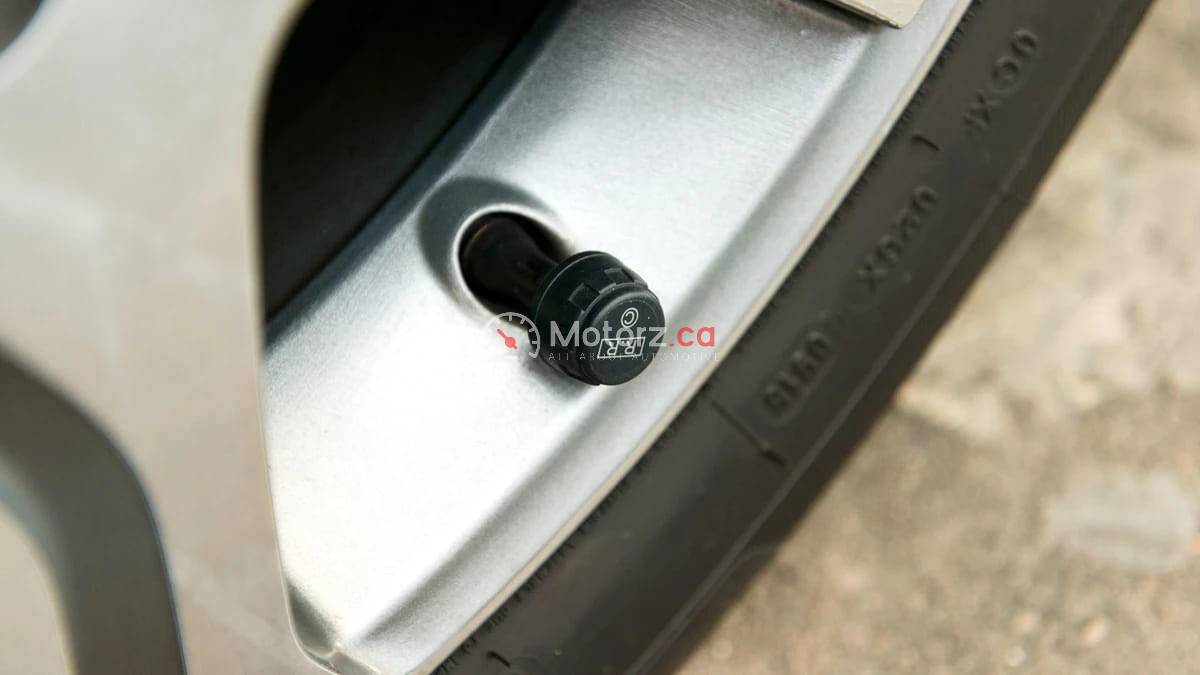
This is the most common system in 2026. Each wheel has a physical sensor attached to the inside of the rim (usually as part of the valve stem). These sensors use a small battery and a radio transmitter to send real-time pressure data to the car’s computer.
Pros: Highly accurate; can tell you the exact pressure in each tire even when the car is parked.
Cons: Sensors have batteries that eventually die (usually after 5 to 10 years); sensors can be damaged during tire mounting.
Indirect TPMS (Software-Based)
Common on many European brands like Volkswagen and Audi, this system doesn’t use pressure sensors at all. Instead, it uses the ABS (Anti-lock Braking System) wheel speed sensors.
How it works: An under-inflated tire has a slightly smaller diameter, meaning it must spin faster than a fully inflated tire to cover the same distance. The car’s computer detects this change in “speed” and triggers the light.
Pros: No expensive sensors to replace or batteries to die.
Cons: Less accurate; requires a manual “reset” every time you add air or rotate your tires.
Why the TPMS Light Comes On: A Troubleshooter’s Guide
When that yellow light appears, it isn’t always a cause for panic, but it always requires an investigation.
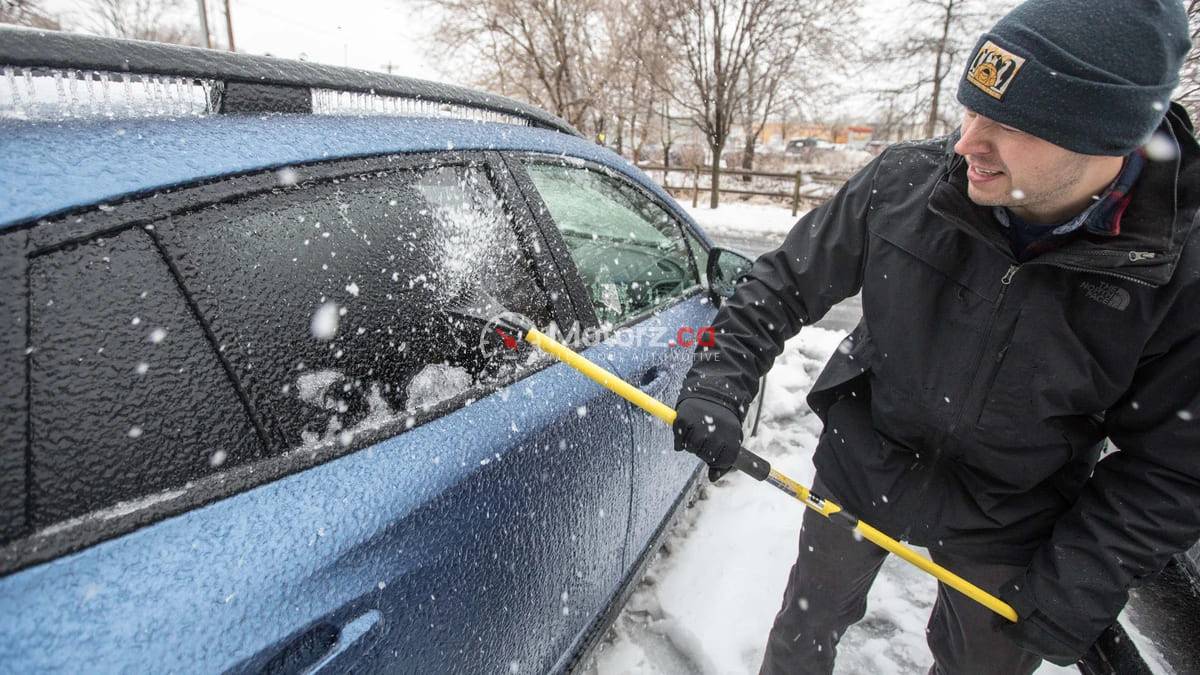
The “Cold Snap” Warning
In late autumn, it is common for the TPMS light to turn on in the morning and disappear as you drive.
The Physics: For every 6 units (Celsius) the temperature drops, your tires lose about 1 PSI of pressure.
The Fix: Don’t just wait for the light to go away. Check your pressure and top it up to the levels listed on your driver’s side doorjamb.
The Flashing Light vs. Steady Light
Steady Light: This means at least one tire is low on air. Check your pressures immediately.
Flashing Light (for 60-90 seconds): This indicates a system malfunction. Usually, this means a sensor battery has died or the car has lost the signal from a wheel. You need a technician to “relearn” the sensors or replace a faulty unit.
Seasonal Tire Swaps and the TPMS Headache
For Canadians, the “winter tire ritual” is where TPMS becomes a major topic of conversation. If you have a second set of wheels for the winter, you have three choices regarding your sensors.
Option A: Move the Sensors
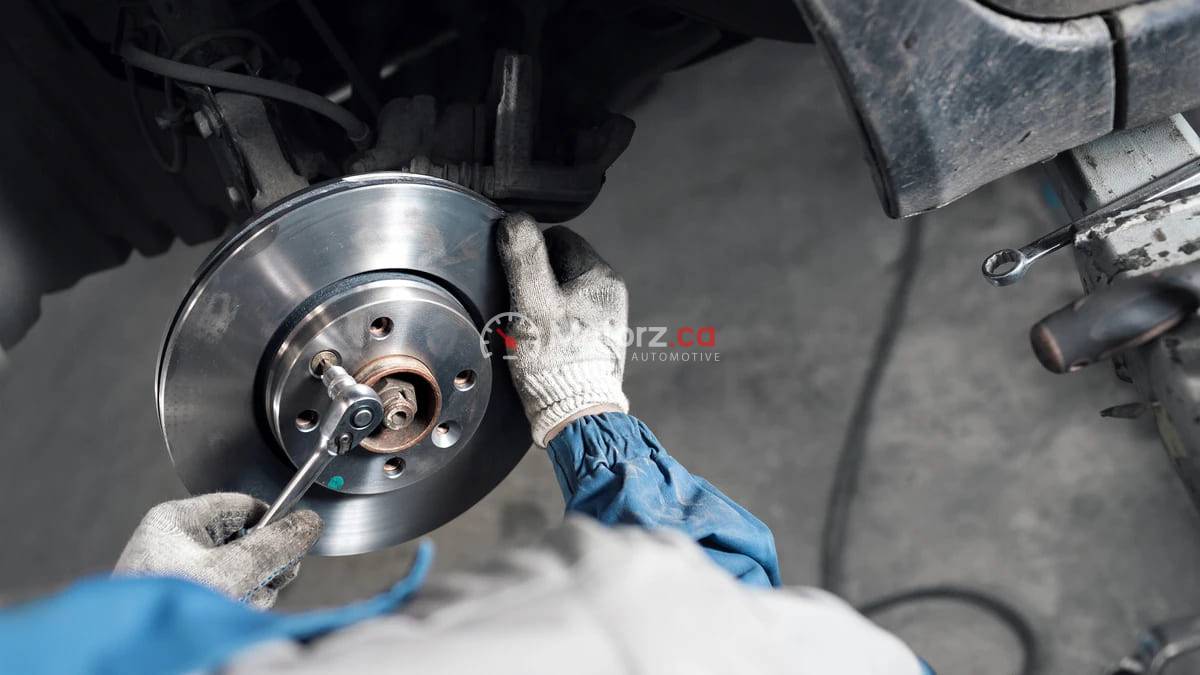
You can have a shop swap your sensors from your summer rims to your winter rims.
Risk: This is labor-intensive and increases the chance of breaking the delicate rubber seals or the sensor body.
Option B: Buy a Second Set of Sensors
This is the “pro-move.” By installing a dedicated set of TPMS sensors in your winter wheels, the car will automatically (or with a simple reset) recognize the new wheels.
Insight: In 2026, “Universal” or “Programmable” sensors are much more affordable than OEM (factory) sensors and work just as well.
Option C: The “Ignore the Light” Strategy
Some drivers choose not to install sensors in their winter wheels.
Result: Your TPMS light will stay on all winter.
Warning: While this saves money, it is a safety risk. You lose your early warning system for punctures, and in some jurisdictions, it may prevent your vehicle from passing a safety inspection.
Maintenance Tips for Tire Pressure Sensors
Tire sensors live in a brutal environment—surrounded by brake dust, road salt, and extreme vibration. Here is how to keep them alive longer.
Use Plastic Valve Caps: Never use metal “aesthetic” caps. In salty winter conditions, metal caps can “galvanically bond” to the sensor’s aluminum stem, making them impossible to remove without snapping the sensor.
Request a “Service Kit”: When you get new tires, ask the shop for a TPMS Service Kit. This replaces the rubber seals, nut, and valve core without replacing the expensive sensor itself, preventing slow leaks.
Check Your Spare: Some older SUVs and trucks have a fifth sensor in the spare tire. If your light is on but your four road tires are fine, check the air in the spare tucked under your chassis!
A Tool for Your Safety
The Tire Pressure Monitoring System is more than just a dashboard nuisance; it is a vital communication link between your tires and your brain. By understanding the difference between a low-pressure warning and a system failure, you can avoid the stress of “mystery lights” and ensure your vehicle remains efficient and safe.
Next time that yellow horseshoe appears, don’t ignore it. Check your doorjamb, grab your pressure gauge, and give your tires the attention they deserve.