




Why Auto Shows Still Matter and How Dealer Groups are Adapting to a Normalizing Market
The Canadian Auto Watch is currently a fascinating blend of traditional market forces and future-focused transformation. As Q4 2025 winds down, a few major stories are dominating the conversation, painting a clear picture of an industry adapting to everything from high interest rates and cautious consumers to the aggressive push toward electrification.
The biggest headlines this week underscore this duality: the successful return and increased relevance of major auto shows, the acute pain dealers are feeling as profit margins narrow back to pre-pandemic levels, and the ongoing, strategic consolidation of dealership groups exemplified by Open Road Auto Group’s significant expansion into Ontario.
This comprehensive report dives into the five most impactful Canadian auto stories of the week, offering context, analysis, and insights into how these trends will shape the market for both consumers and professionals heading into 2026.
The Resurgence of the Auto Show – A Critical Touchpoint for ZEV Adoption
After years of decline and pandemic-induced cancellations, major Canadian auto shows are proving their vital importance—not just as entertainment, but as critical consumer education and sales activation platforms, particularly for Zero-Emission Vehicles (ZEVs).
Why Physical Auto Shows are More Relevant Than Ever
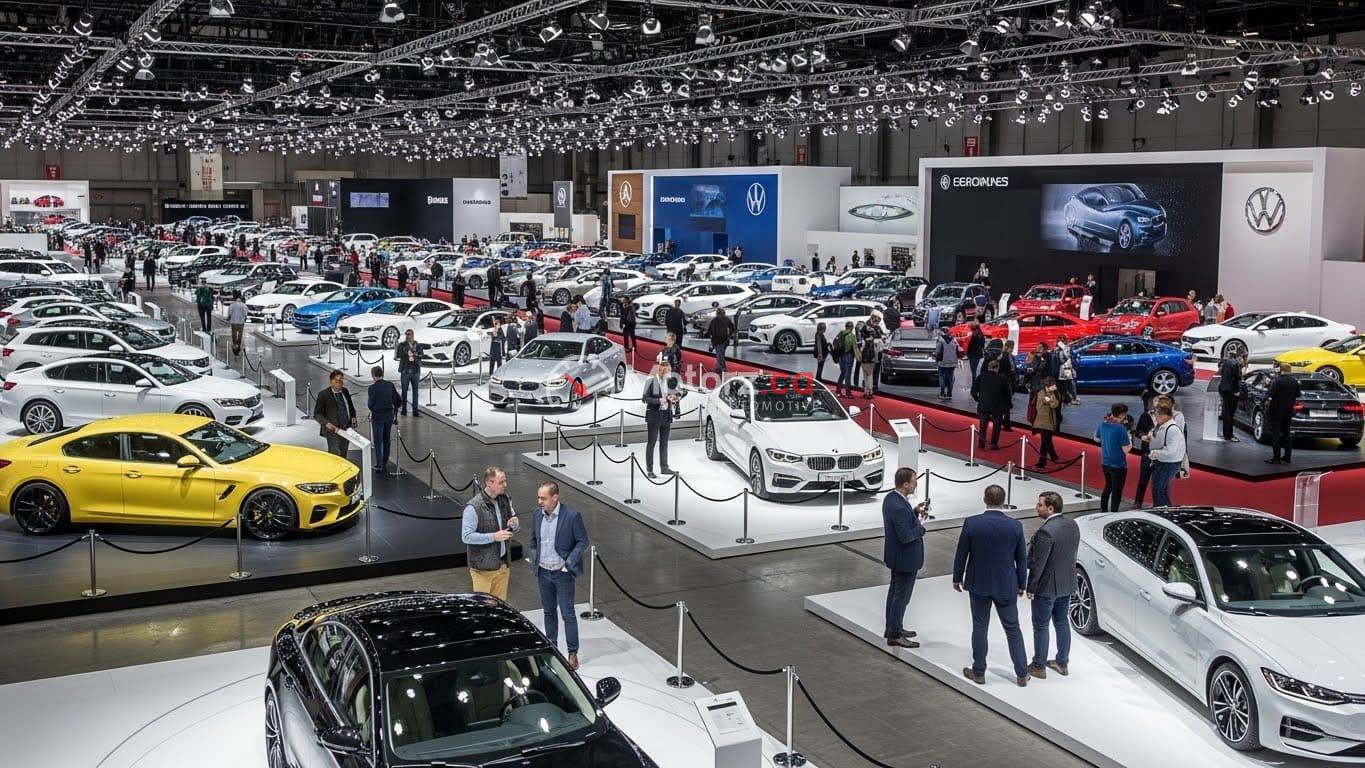
In the digital age, a physical auto show offers an unparalleled opportunity for buyers to compare vehicles and explore new technologies without sales pressure.
Hands-on EV Experience: The Canadian International Auto Show (CIAS) in Toronto, for instance, has successfully transformed into a ZEV Discovery Centre. The inclusion of indoor and outdoor EV test drive tracks allows thousands of attendees to get behind the wheel in a sales-free, no-pressure environment. In the 2025 CIAS, nearly 8,000 EV test drives were recorded, a massive data point showing high consumer interest.
Overcoming Range Anxiety: For many Canadian consumers, the main barrier to EV adoption remains fear of the unknown—range anxiety, charging infrastructure, and total cost of ownership. Auto shows allow people to interact directly with experts, compare competing models like the new electric offerings from Mercedes-Benz (like the G 580 with EQ Technology) and Cadillac (like the VISTIQ EV), and see new charging solutions firsthand. This “total immersion” concept is crucial for building consumer confidence.
Manufacturer Commitment: The return of major luxury brands like Mercedes-Benz, Audi, and BMW to the show floor after protracted absences signals that manufacturers recognize the necessity of these large-scale public showcases to debut new models and concepts and to create buzz in a saturated media environment.
Key Insight: For Canadian policy makers pushing ZEV mandates, auto shows are a powerful tool. They serve as the most effective mechanism for educating the mass market, building demand, and securing the domestic market strength needed to justify vast investments in Canadian EV manufacturing and supply chain (like the new 3.2 billion CAD graphite plant in St. Thomas, Ontario).
Dealer Gross Margins Under Pressure—The End of the Inventory Crunch Era
After years of historically high profit margins fueled by low inventory and high demand, Canadian dealerships are now experiencing a rapid normalization and compression of gross profits, particularly on new vehicle sales.
The Return of Competition and Customer Negotiation
The profit landscape is shifting back to pre-pandemic norms, forcing dealers to aggressively manage costs and retrain sales staff on negotiation tactics.
New Vehicle GPU Slide: The era of selling every vehicle at or above Manufacturer’s Suggested Retail Price (MSRP) is largely over. While U.S. markets saw a slight rebound in Q2 2025 new vehicle gross profits (PVR) as supply stabilized, the Canadian market is facing softer consumer demand due to higher interest rates and increased competition. Dealers are offering bigger incentives and accepting lower margins to move volume.
The High-Interest Rate Squeeze: Canadian auto sales volume has softened, dropping from strong spring surges to slower rates in Q4 2025. This deceleration, compounded by core inflation metrics hovering around 2.5 percent to 3 percent, puts pressure on consumers’ monthly payments. To make sales happen, dealers must often absorb some of the financing cost, further eroding their front-end profit.
Focus Shifts to F&I and Service: As front-end margins on new and used vehicles tighten, the importance of the Finance and Insurance (F&I) department and the Parts and Service (P&S) bay has never been greater. F&I contributions (which can account for 30 percent to 40 percent of total gross profit) and service retention are now the primary strategies for maintaining profitability levels amid market normalization.
Dealer Strategy Tip: Dealerships must double down on the customer service experience in the service bay. High-quality P&S work and strong customer retention here are crucial, as the service side provides a stable, high-margin revenue buffer that is insulated from sales volatility.
Open Road Auto Group’s Major Ontario Expansion
The trend of dealership group consolidation continues unabated, highlighted by the strategic, cross-provincial expansion of British Columbia-based OpenRoad Auto Group into Ontario.
Open Road Becomes a National Powerhouse
Open Road Auto Group, already B.C.’s largest dealership group, has significantly strengthened its national footprint by acquiring a majority stake in New Roads Automotive Group in Ontario.
Strategic Acquisition Details: The transaction brings together eight New Roads dealerships with Open Road’s four existing Ontario operations, creating Open Road Auto Ontario, a combined network of 12 retail locations in the province. This move immediately expands Open Road’s brand portfolio to include iconic names from General Motors of Canada and Stellantis, alongside its core Japanese brands (Toyota, Honda, Mazda, Subaru).
The Consolidation Imperative: Large groups like OpenRoad leverage economies of scale that independent dealers cannot match. Consolidating ownership allows for centralized purchasing, marketing, IT systems, and finance, leading to significant cost efficiencies. In an environment where dealer margins are tightening, this consolidation is a powerful strategy for driving bottom-line profitability.
Maintaining Local Identity: A critical component of the deal was retaining New Roads President Michael Croxon as President of the new Open Road Auto Ontario division. This approach allows Open Road to tap into New Roads’ long-standing community trust and customer base in the important York Region, blending large-scale efficiency with trusted local relationships.
Significance: This move reinforces the trend of major regional dealer groups becoming national entities, creating fewer, larger competitors that dominate the Canadian retail landscape.
Canada’s Struggle to Meet the ZEV Mandate Targets
Despite significant political backing, Canada’s journey toward its ambitious Zero-Emission Vehicle (ZEV) mandate targets faces immediate challenges, evidenced by a noticeable slowdown in adoption rates.
Volume Falls Short Amidst Political and Economic Headwinds
The goal of having ZEVs account for at least 20 percent of new vehicle sales by 2026 is becoming increasingly difficult as growth plateaus.
Slowing ZEV Sales: According to recent data, ZEV sales as a share of total new vehicle sales have softened in 2025, easing to approximately 7.7 percent in July 2025, down from a recent quarterly peak of 16.6 percent in Q4 2024. This slowdown is particularly noticeable in large markets like Ontario and B.C.
The Role of Tariffs and Uncertainty: The broader auto market remains vulnerable to external factors, including the continuous threat of U.S. tariffs and macroeconomic uncertainty. This pressure is causing overall new vehicle sales to remain soft, making it harder to hit ZEV targets based on a rising overall tide.
Policy Review and Pause: The Canadian federal government has paused its ZEV mandate for the 2026 target and announced a broader 60-day review of the policy. This pause acknowledges the gap between current adoption rates and ambitious targets and creates uncertainty for manufacturers and dealers who need clear, long-term policy signals to plan inventory and investment.
The Counterbalance: Despite the sales slowdown, investments in the Canadian EV supply chain are still robust. The 3.2 billion CAD Vianode synthetic-graphite plant investment in St. Thomas, Ontario, is a key example of the private sector continuing to build a resilient, domestic EV supply chain for the long term.
The Evolving Face of Automotive Finance in Canada
As interest rates remain elevated, the dynamics of vehicle financing are creating new pressure points for both consumers and dealerships.
The Scramble for Affordable Credit
The cost of borrowing has emerged as the single greatest inhibitor to new vehicle sales volume.
High Financing Costs: Consumers face consistently high interest rates on both new and used vehicle loans, significantly increasing the total cost of ownership. This forces many buyers to opt for longer loan terms, choose lower-cost vehicles (contributing to the passenger car sales decline), or delay their purchase entirely.
OEM Incentives Return: To counteract high interest rates, manufacturers are reluctantly returning to offering subvented financing deals (e.g., 0% or low-interest financing) on select models. These programs, which are expensive for the OEMs, become necessary tools to stimulate volume and help dealers compete.
Used Car Market Dynamics: The combination of high used vehicle prices and higher interest rates (used vehicle loan rates are typically higher than new) has made used vehicle financing a major challenge for many Canadians, contributing to the sharp drop in used retail unit sales volume seen across the industry.
Adapting to the New Normal
The Canadian auto landscape in late 2025 is defined by a necessary recalibration. Dealers are grappling with the unpleasant reality of narrowing margins, forcing a renewed focus on cost management and the high-profit service bay. Consolidation, exemplified by OpenRoad’s expansion, continues as large groups seek efficiencies to survive and thrive in this leaner environment.
Crucially, the continued success of auto shows in driving EV engagement proves that consumer curiosity for the electric future is high, even if macroeconomic pressures are slowing the pace of actual purchases. The industry’s challenge is clear: maintain long-term investments in the ZEV supply chain while mastering the art of the sale in an era of constrained consumer budgets and intense competition.