
We have all been there: you are Your Car is Safe for the Road along when suddenly a light flickers on the dash, or a strange, rhythmic thud starts coming from the front end. In that split second, your brain goes into “troubleshooter” mode. You wonder: Can I make it another five kilometers to the shop, or am I about to turn a minor repair into a total engine replacement?
In 2026, cars are smarter and more communicative than ever, but they are also more fragile. Modern aluminum engines and complex electrical systems don’t handle “limping home” as well as the heavy iron blocks of the past. Making the wrong choice between driving and towing can be the difference between a 200-unit sensor fix and an 8,000-unit engine rebuild.
This guide will help you decode your car’s warning signs so you can make the safest, most cost-effective decision.
The Dashboard Color Code: Red vs. Yellow
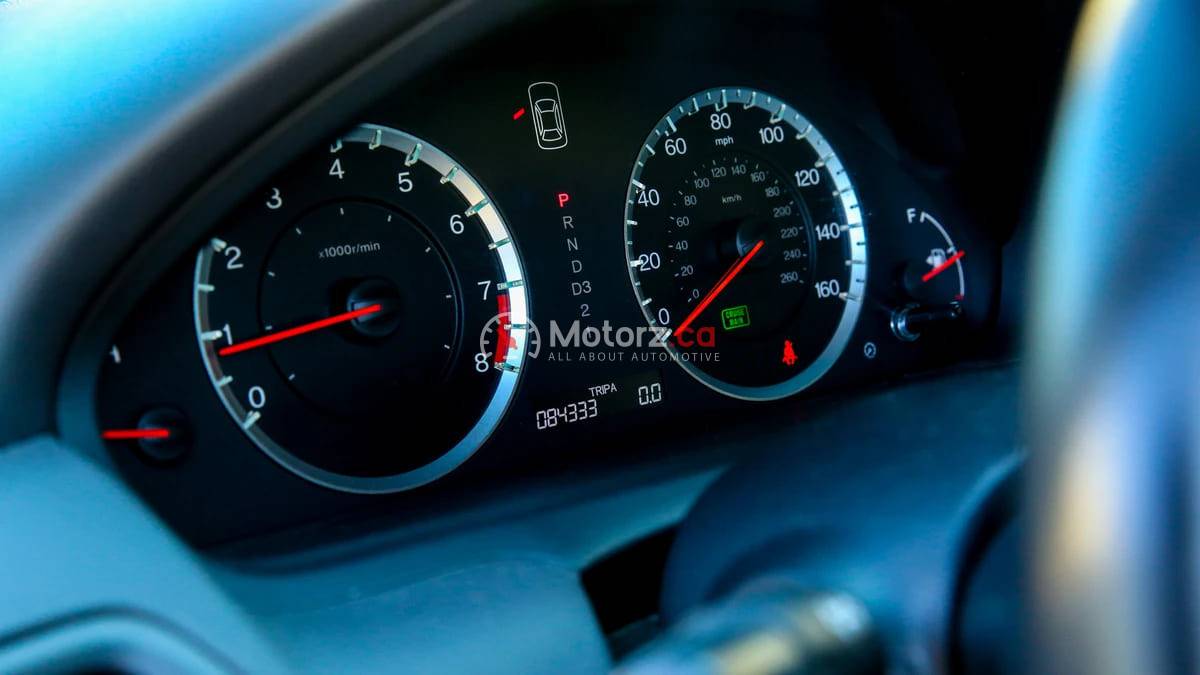
Your car’s dashboard is designed like a traffic light. Understanding the hierarchy of these colors is the quickest way to decide if you need a tow truck.
Red Lights: Your Car is Safe for the Road
A red warning light is an emergency. It indicates a failure of a critical system that could lead to an accident or catastrophic mechanical failure.
Oil Pressure (Oil Can Icon): This does not mean you are “low” on oil; it means the oil is not circulating. Driving for even 30 seconds with zero oil pressure can seize your engine permanently. Tow it.
Brake Warning (Exclamation in a Circle): This indicates a loss of hydraulic pressure or critically low fluid. Your brakes could fail at the next intersection. Tow it.
Engine Temperature (Thermometer in Waves): Your engine is overheating. Modern cylinder heads can warp in minutes. Tow it.
Yellow or Orange Lights: Proceed with Caution
A yellow light (like the standard Check Engine Light) generally means a system is operating outside of its normal parameters, but the car is still safe to drive to a shop.
Solid Check Engine Light: Usually related to emissions or a faulty sensor. You can drive to the shop, but avoid heavy acceleration.
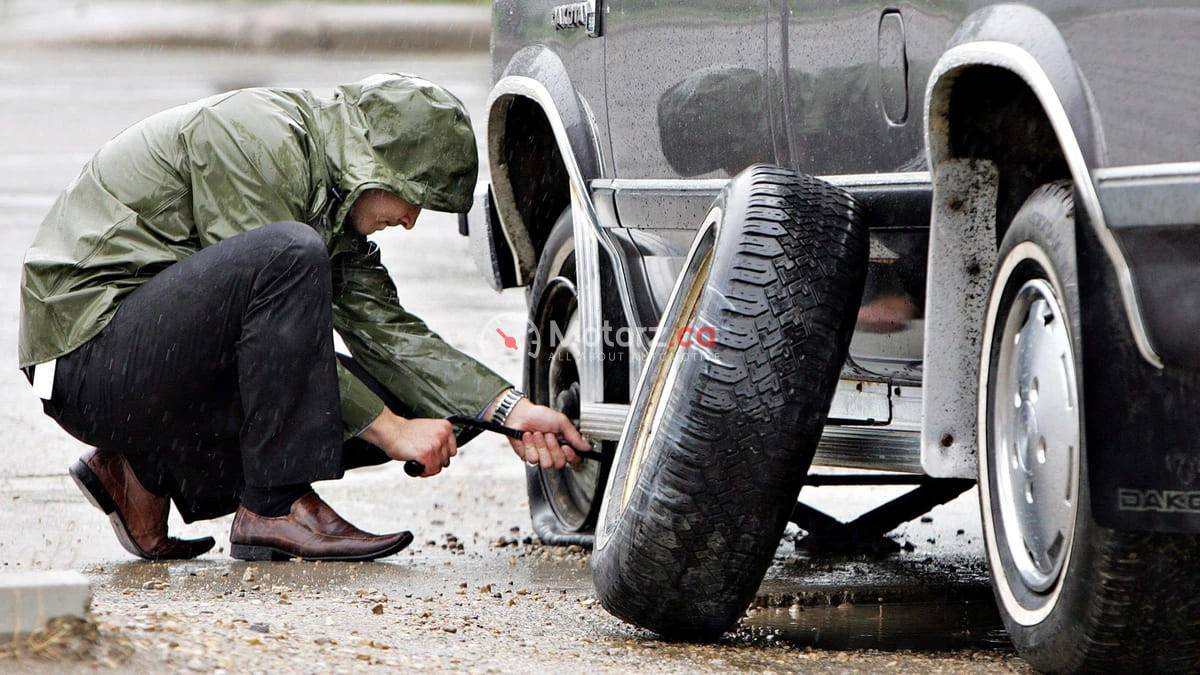
TPMS (Tire Pressure): One of your tires is low. Drive carefully to the nearest air pump or tire shop.
Flashing Lights: The Universal Signal for “Tow Me”
There is one exception to the “Yellow means drive” rule: the Flashing Check Engine Light.
If your check engine light begins to blink rapidly, it indicates a severe engine misfire. This means unburned fuel is being dumped into your exhaust system, where it can ignite and melt your catalytic converter. A new catalytic converter in 2026 can cost upwards of 2,500 units. If the light is flashing, pull over and call for a tow.
Interpreting Mechanical Symptoms
Sometimes the “check engine” light stays off, but the car feels “wrong.” Use this troubleshooter to determine your next move.
When it is Safe to Drive:
Minor Squeaking when Braking: This usually means your brake pads are getting thin but still have enough material for a final trip to the mechanic.
Slow Steering Response: If the steering feels “heavy” but consistent, you may be low on power steering fluid. You can usually drive to a shop if the distance is short.
Small Fluid Puddles: If you see a few drops of clear water (AC condensation) or a tiny bit of dark oil, you can typically drive to the shop for an inspection.
When You Must Tow:
Smoke or Steam: White steam from the hood means a cooling system burst. Blue or black smoke from the exhaust or hood indicates an oil fire or severe internal damage.
Loud Knocking or Clunking: If the engine sounds like a “hammer in a dryer,” you have a mechanical failure inside the block. Driving further will likely cause a rod to break through the engine casing.
Spongy Brake Pedal: If the pedal goes almost to the floor before the car slows down, your hydraulic system is compromised. Do not risk your life; call a tow.
Vibrant Steering Wheel Shaking: This could indicate a failing wheel bearing or a ball joint about to snap. If the wheel falls off while driving, the damage will be ten times the cost of a tow.
The “Towing Cost” Myth
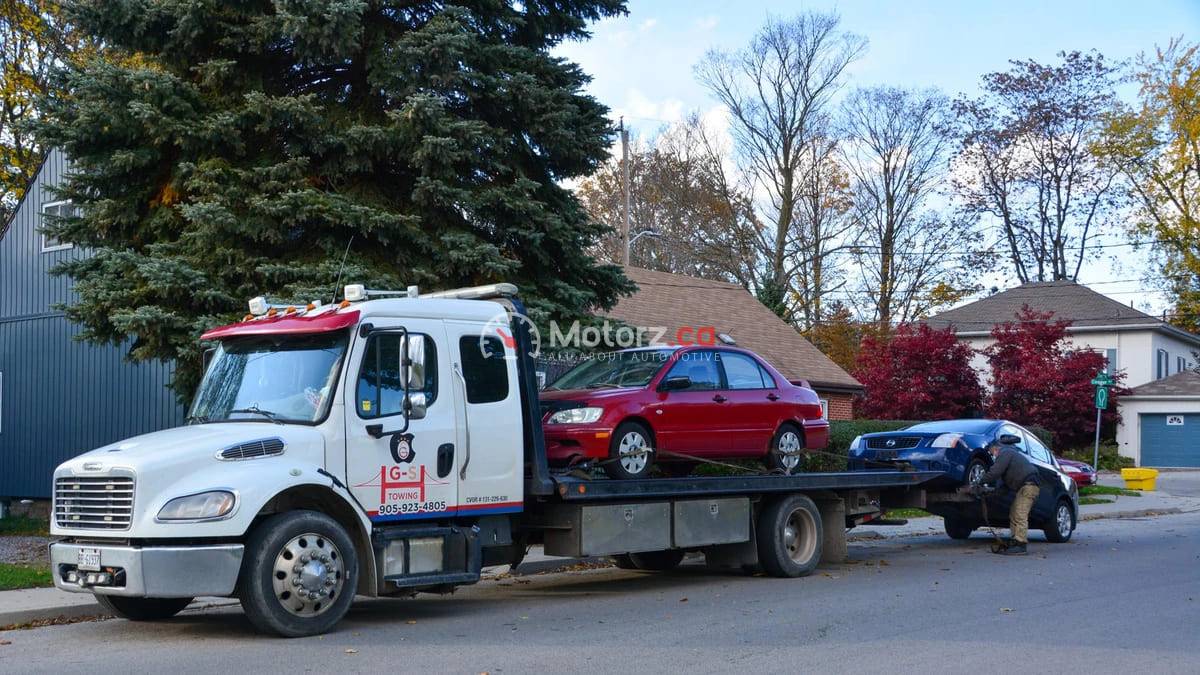
Many drivers risk driving a damaged car because they want to save the 100 to 150 units a tow truck costs. This is often a “penny wise, pound foolish” decision.
In 2026, the average cost of an engine replacement for a modern SUV is between 7,000 and 12,000 units. A tow is a tiny insurance policy against that massive expense. Furthermore, if you have roadside assistance through your insurance, a credit card, or a club membership (like AAA or CAA), the tow is often free.
Pro Tip: If you aren’t sure, call your local mechanic and describe the symptoms over the phone. Most honest shops will tell you exactly when a car is too dangerous to drive.
Better Safe Than Stranded
The general rule of thumb for any troubleshooter is this: If the car’s behavior makes you feel unsafe or the engine is physically overheating, stop immediately. Modern cars are designed to protect themselves, but they rely on you to heed the warnings. Paying for a tow might feel like an inconvenience today, but it is much better than being stranded on the highway with a “blown” engine tomorrow. Use your dashboard lights and your ears—they are your car’s best way of asking for help.