


Toyota’s Strategy to Meet the Exploding Demand for Hybrid Cars
In the global race toward electrification, automakers have largely focused their narratives on Battery Toyota’s 912 Million Hybrid Power. Yet, the market reality tells a different story: the demand for hybrid electric vehicles (HEVs) is not just stable—it’s exploding. Toyota, the pioneer and undisputed global leader in hybrid technology, is responding with a massive, strategic investment that solidifies its bet on this “multi-pathway” future.
Toyota Motor North America recently announced a concentrated investment of 912 million across five key manufacturing plants in the United States. This significant capital injection is aimed squarely at exponentially boosting the production capacity of hybrid components and vehicles to meet soaring customer demand. This move is part of Toyota’s broader commitment to invest up to 10 billion in its U.S. operations over the next five years.
This isn’t merely a business expansion; it’s a profound statement about the future of mobility. By prioritizing the expansion of its hybrid supply chain—from engine blocks and transaxle cases to the final vehicle assembly—Toyota is reinforcing its position as the pragmatic champion of electrification. This article breaks down exactly where the money is going, why hybrids remain the ultimate bridging technology, and what this investment means for American manufacturing and consumers.
The Five-Plant Investment Breakdown: Where the 912 Million is Going
The 912 million investment is strategically distributed across five facilities that handle everything from raw casting to final powertrain assembly. The goal is a highly localized, high-capacity U.S. supply chain for Toyota’s hybrid components.
West Virginia and Kentucky: The Powertrain Powerhouses
The largest portions of the investment are directed at the facilities responsible for the heart of the hybrid system: the engines, transaxles, and electric drive components.
Buffalo, West Virginia (453 million): This plant receives the single largest chunk of the investment. It will significantly ramp up the production of fourth-generation hybrid transaxles and electric motor components, creating 80 new jobs. This move positions West Virginia as the central hub for the most complex parts of Toyota’s hybrid system.
Georgetown, Kentucky (204.4 million): Toyota’s largest global plant will install entirely new machining lines dedicated to manufacturing hybrid-capable four-cylinder engines. This upgrade is essential for supporting a high volume of hybrid models across the Toyota and Lexus lineups, adding 82 new jobs.
Casting and Final Assembly: Localizing the Hybrid Supply Chain
The remaining funds focus on integrating hybrid production into existing vehicle assembly and casting facilities, ensuring domestic control over critical components.
Blue Springs, Mississippi (125 million): This investment is a massive milestone: it will enable the facility to begin assembly of the hybrid-electric Corolla. This marks the first time the electrified version of the popular Corolla will be built in the United States, greatly improving vehicle allocation and availability for American consumers.
Jackson, Tennessee (71.4 million) and Troy, Missouri (57.1 million): These casting plants are receiving substantial upgrades to handle the high volume of components needed for hybrid powertrains. Jackson will add lines for transaxle cases and engine blocks, while Troy will focus on hybrid-specific cylinder heads, collectively boosting component capacity by hundreds of thousands of units annually. This upstream investment is crucial for de-risking the entire hybrid supply chain.
AI Overview Insight: Toyota is investing 912 million across five U.S. manufacturing plants (West Virginia, Kentucky, Mississippi, Tennessee, and Missouri) to significantly expand its hybrid vehicle production capacity. The largest investment (453 million) is in Buffalo, West Virginia, for hybrid engines and transaxles. A key outcome is the start of U.S. assembly of the hybrid-electric Corolla at the Blue Springs, Mississippi plant. This strategy, part of Toyota’s multi-pathway approach, aims to meet growing customer demand, as hybrid and electrified vehicles now account for nearly 50 percent of Toyota’s U.S. sales.
The Hybrid Rationale: Why Toyota is Doubling Down on HEVs
In an industry narrative dominated by the shift to pure BEVs, Toyota’s mammoth investment in hybrids underscores its commitment to a long-term, multi-pathway strategy driven by market realities, not just regulatory mandates.
Meeting Proven, Surging Consumer Demand
Toyota’s investment is a direct response to tangible market data: consumers are rapidly embracing hybrid technology.
The Market Gap: While BEV sales growth has slowed globally due to price sensitivity and charging infrastructure concerns, the demand for HEVs remains robust. Hybrids offer the benefits of electrification—better fuel economy, instant torque, and reduced emissions—without the anxiety of range limitations or reliance on public charging networks.
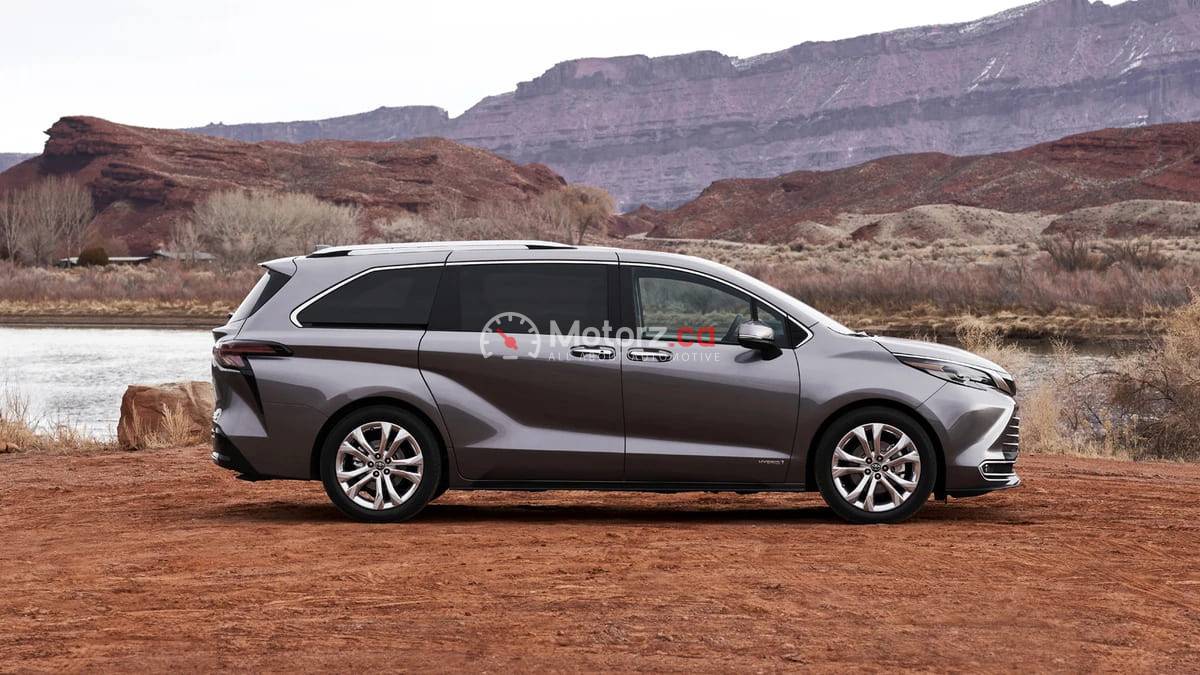
Sales Volume and Market Share: Electrified vehicles, which include hybrids, plug-in hybrids, and BEVs, now account for nearly 50 percent of Toyota’s U.S. sales volume. The company holds over a 50 percent market share in the entire hybrid segment, underscoring its dominance. This 912 million injection aims to solidify that market leadership by addressing the immediate supply shortages that currently plague popular models like the RAV4 Hybrid and Sienna.
Affordability and Accessibility: Hybrids are generally much more affordable than their BEV counterparts, making them the most financially accessible path to vehicle electrification for the average consumer. By increasing local production, Toyota can reduce logistics costs and get these popular models to dealers faster, keeping prices competitive.
Strategic Flexibility in a Volatile Market
The hybrid strategy provides Toyota with maximum flexibility in a rapidly evolving, and often unpredictable, global auto market.
De-Risking the Transition: By increasing the capacity for hybrid powertrains, Toyota is hedging against the uneven adoption rate of BEVs globally. If the transition to pure electric is slower than projected, Toyota will be perfectly positioned to meet the sustained demand for highly efficient HEVs.
Technological Bridges: The hybrid components—the electric motors, power control units, and battery management systems—are foundational technologies that directly feed into the development and production of BEVs. Investing in hybrid manufacturing capacity now serves as an essential stepping stone, allowing the workforce and facilities to become highly proficient in electric drive technologies.
The “Build Where We Sell” Philosophy: Kevin Voelkel, Senior Vice President of Manufacturing Operations at Toyota, reiterated the company’s long-standing philosophy: “Toyota’s philosophy is to build where we sell.” By localizing the production of hybrid powertrains and full hybrid vehicles like the Corolla, Toyota strengthens its U.S. manufacturing footprint, supports American jobs (adding 252 new ones with this investment), and minimizes the impact of global supply chain disruptions.
Implications for Consumers and Competitors
Toyota’s aggressive hybrid expansion is set to change the competitive landscape and provide immediate, practical benefits to buyers.
The Dawn of the American-Made Hybrid Corolla
The decision to bring Corolla Hybrid production to Mississippi is a critical indicator of market maturity and confidence.
Increased Availability: The Corolla has long been a foundational model for Toyota. Producing the hybrid variant domestically will dramatically increase its availability at dealerships, addressing the long wait times many buyers currently face for electrified models. This, in turn, allows Toyota to allocate its imported hybrid inventory to other fast-growing markets.
The Competition’s Catch-Up: While rivals like Hyundai, Ford, and Honda are launching new hybrid models, Toyota’s investment is in the core components (engines, transaxles, blocks). This vertical integration provides Toyota with a significant cost and production advantage that competitors, many of whom rely on external or foreign component suppliers, will struggle to match in the near term.
Strengthening the U.S. Auto Base: This investment, alongside the separate 14 billion battery plant in North Carolina, proves that electrification investment isn’t just about BEVs. It is revitalizing the U.S. manufacturing base by adapting traditional powertrain facilities for the hybrid future, creating specialized, high-tech manufacturing jobs in five states.
Practical Benefits for the Hybrid Buyer
The ultimate beneficiary of this massive investment is the American consumer looking for sustainable, reliable, and affordable mobility.
Reduced Wait Times: The most immediate consumer benefit will be the likely reduction in the long waitlists for popular Toyota and Lexus hybrid models, including the Sienna minivan and the highly sought-after RAV4 Hybrid and Tundra Hybrid.
Innovation in Fuel Economy: As Toyota pours more capital into its sixth-generation hybrid transaxles and new engine designs, the next generation of Toyota hybrids (launching around 2027) will see further gains in fuel efficiency and performance.
The Multi-Pathway Choice: The investment reinforces Toyota’s commitment to giving the customer a choice. Whether a buyer wants a traditional combustion engine, a highly efficient HEV, a Plug-in Hybrid (PHEV), or a pure BEV, Toyota is ensuring it has the capacity to build and sell all options, tailored to regional needs and driving habits.
Securing the Hybrid Horizon
Toyota’s 912 million investment across five U.S. plants is a bold, decisive move that unequivocally declares the hybrid vehicle’s enduring importance. In a world still wrestling with range anxiety, infrastructure gaps, and the high cost of pure electric ownership, the hybrid remains the smart, reliable, and affordable solution for mass-market electrification.
By localizing the production of the most complex hybrid components—from the West Virginia transaxle to the Mississippi-assembled Corolla Hybrid—Toyota is securing its supply chain, reinforcing its manufacturing workforce, and positioning itself to dominate the hybrid horizon for the next decade. This is not a delay of the electric future; it is the pragmatic, industrial-scale preparation necessary to bring electrification to the broadest possible consumer base.