
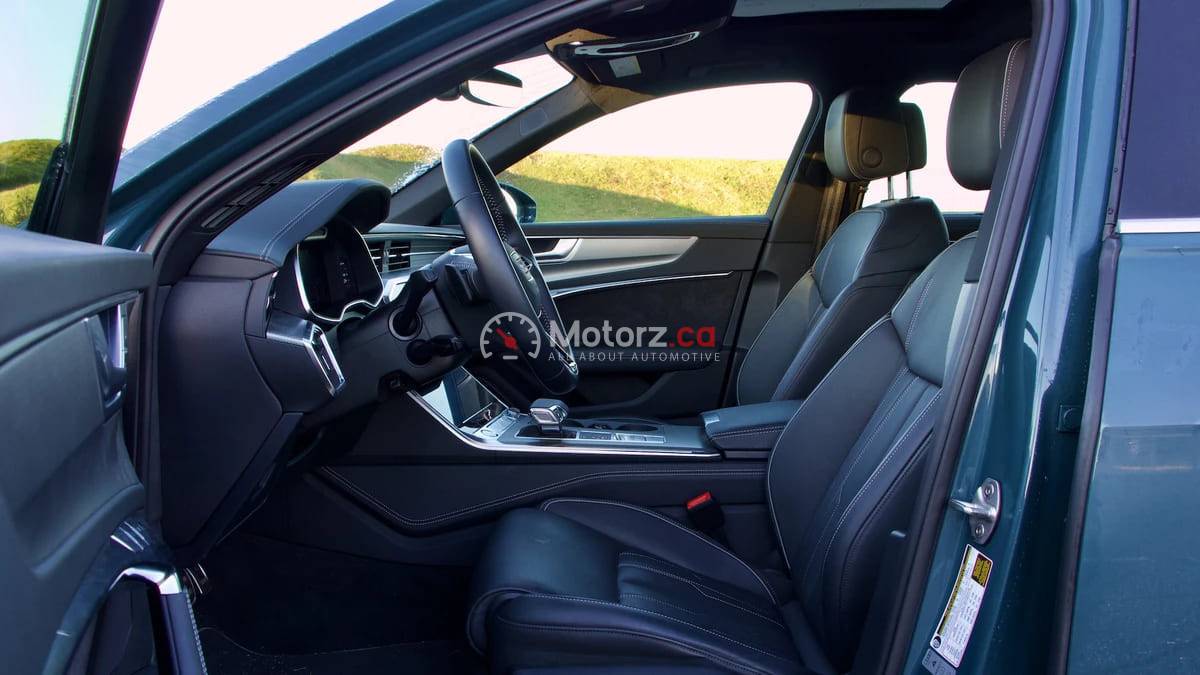
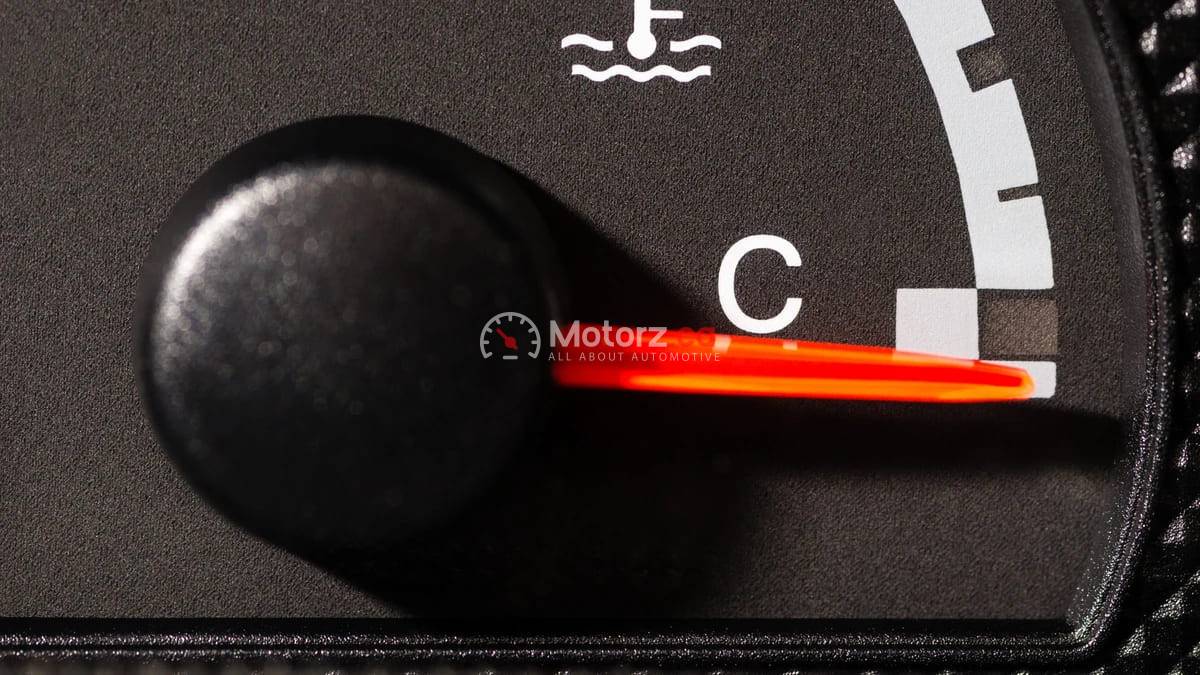

You know the feeling. You’ve been Taming the Cold-Blooded for fifteen minutes, the heater is turned all the way to maximum, but the air coming out of the vents is still lukewarm at best. Your engine temperature gauge is stuck at the bottom, and you’re shivering in your puffer jacket behind the wheel. You aren’t just dealing with a minor inconvenience; you are living with a cold-blooded beast.
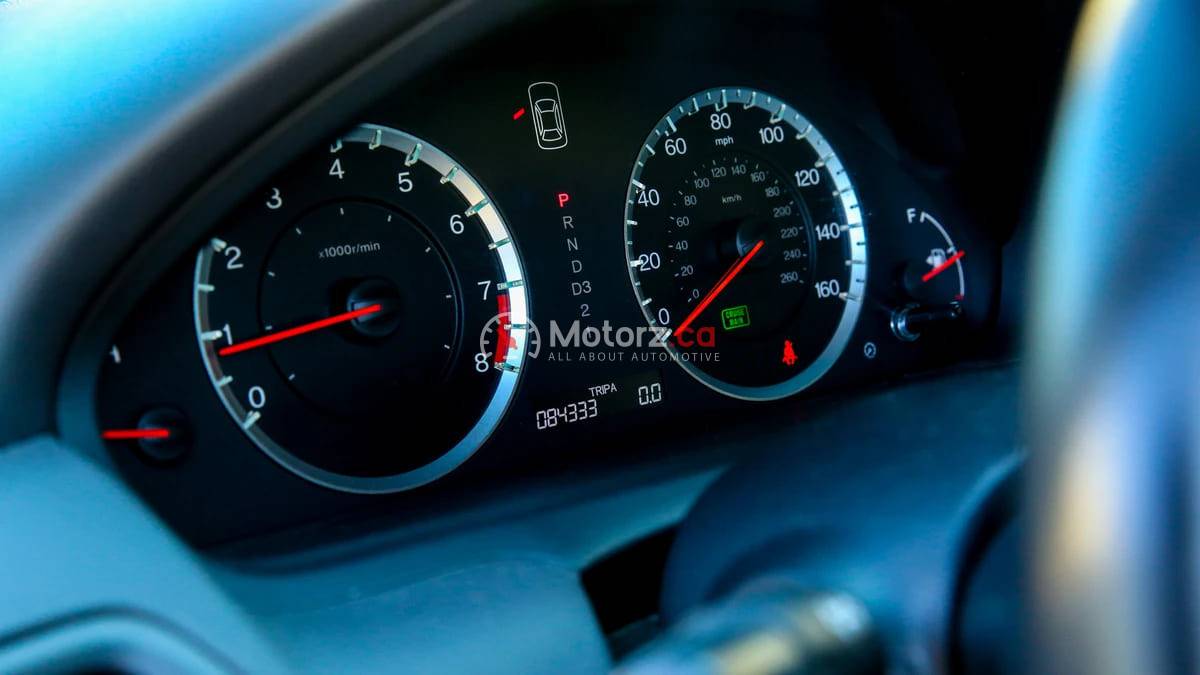
When a vehicle refuses to reach its optimal operating temperature, it affects more than just your personal comfort. A “cold-blooded” car suffers from poor fuel economy, increased engine wear, and higher emissions. It is a mechanical cry for help that many drivers ignore until the first deep freeze of the season turns a small annoyance into a total breakdown.
In this comprehensive troubleshooting guide, we will break down exactly why your vehicle is struggling to stay warm, the hidden dangers of driving a cold engine, and the step-by-step solutions to get your cabin cozy again.
The Anatomy of an Taming the Cold-Blooded
To understand why your car won’t warm up, you first have to understand how it manages heat. It may seem counterintuitive, but the cooling system’s job isn’t just to keep the engine cool—it is to keep the engine at a perfectly balanced temperature.
The engine generates massive amounts of heat through combustion. The coolant (a mix of antifreeze and water) absorbs that heat and carries it away. However, when you first start your car on a winter morning, the engine needs to get hot as quickly as possible to ensure the oil flows correctly and the fuel burns efficiently.
The Thermostat: The Gatekeeper of Heat
The most critical component in this process is the thermostat. Think of the thermostat as a heat-sensitive valve. When the engine is cold, the thermostat stays closed, trapping the coolant inside the engine block so it heats up rapidly. Once the engine reaches its ideal temperature (usually around 90 to 105 Celsius), the thermostat opens, allowing the coolant to flow to the radiator to be cooled.
If this gatekeeper fails, your “cold-blooded beast” is born.
Common Reasons Your Car Stays Cold
If you are shivering in your seat, one of these five culprits is likely to blame.
A Thermostat Stuck in the Open Position
This is the number one cause of a car that won’t warm up. If the thermostat fails while “open,” coolant is constantly flowing through the radiator from the moment you turn the key.
The Symptom: Your car might warm up while idling in the driveway, but as soon as you hit the highway, the temperature gauge drops back to “Cold.”
The Result: The rushing air through the radiator cools the engine faster than it can produce heat.
Low Coolant Levels
It sounds like a contradiction—how can low coolant make a car cold? If there isn’t enough fluid in the system, it cannot reach the heater core. The heater core is essentially a mini-radiator behind your dashboard. Your blower motor blows air over the hot heater core to warm the cabin. If the fluid level is too low to fill the core, you get cold air in the vents.
Air Pockets in the Cooling System
If you recently had a coolant flush or a hose replaced, an air bubble might be trapped in the system. Air doesn’t hold or transfer heat as well as liquid. An air pocket trapped in the heater core will block the flow of warm coolant, leaving you freezing.
A Faulty Cooling Fan
Most modern cars have electric fans that only turn on when the engine gets too hot. However, if the fan relay or sensor is broken, the fan might run at full speed the second the engine starts. In cold weather, this constant airflow prevents the engine from ever reaching its target temperature.
Heater Control Valve Failure
In some vehicles, a physical valve controls the flow of hot coolant into the heater core. If this valve is stuck shut, your engine might be perfectly warm, but that heat will never make it into the cabin.
The Hidden Costs of a Cold Engine
Many people think, “I’ll just wear a heavier coat; it’s not a big deal.” Unfortunately, your car’s internal health depends on heat. Here is what happens when you drive a cold-blooded beast for too long:
Sludge Buildup
Engine oil is designed to work best at high temperatures. When an engine stays cold, moisture from combustion doesn’t evaporate. This moisture mixes with the oil to create a thick, milky “sludge” that can clog oil passages and lead to catastrophic engine failure.
Terrible Fuel Economy
Your car’s computer (the ECU) monitors engine temperature. If the engine is cold, the computer stays in “Open Loop” mode, injecting extra fuel to help the engine warm up. If the engine never gets warm, the computer continues to dump excess fuel into the cylinders. You could see your fuel mileage drop by 20 percent or more.
Increased Emissions and Catalytic Converter Damage
Excess fuel that doesn’t burn properly ends up in your exhaust system. This can overheat and eventually destroy your catalytic converter, which is one of the most expensive parts to replace on a vehicle.
Troubleshooting Step-by-Step: How to Fix the Chill
Before you head to a mechanic, you can perform these simple checks to identify the problem.
The “Touch Test” for Thermostats
Start your car when it is completely cold.
Open the hood and find the two large rubber hoses going to your radiator.
Wait about five minutes.
Carefully touch both hoses. If both hoses are starting to feel warm at the same time, your thermostat is stuck open. The “output” hose should stay cold until the engine is fully warmed up, then suddenly get hot when the thermostat “clicks” open.
Checking the Heater Core
With the engine running and warm, feel the two smaller hoses that go through the firewall (the metal wall between the engine and the cabin).
If one is hot and the other is cold, your heater core is likely clogged.
If both are hot, the problem is likely an interior “blend door” (the flap that moves to let heat into the cabin) rather than a mechanical engine issue.
Bleeding the Air
If you suspect an air pocket, you can “burp” your car. With a cool engine, remove the radiator cap and start the car. Let it run until it reaches operating temperature. You will see bubbles rising to the top. Keep the coolant topped off until the bubbles stop. Warning: Never remove a radiator cap from a hot engine.
Pro Tips for Living in Extreme Cold
If your car is mechanically sound but you live in a climate where it is -30 Celsius, even a healthy car can struggle to stay warm.
Use a Grille Block: You may have seen semi-trucks with quilted covers over their grilles. You can do a DIY version with a piece of cardboard covering a portion of your radiator. This reduces the amount of freezing air hitting the engine, allowing it to maintain heat. Just be sure to monitor your temperature gauge so it doesn’t overheat!
Block Heaters: If your car has a plug hanging out of the grille, use it! A block heater keeps the coolant warm overnight, meaning you have instant heat the moment you start the car and significantly less wear on your engine.
Cabin Air Filters: If your air is warm but the “breath” of the heater feels weak, check your cabin air filter. A salt-and-dust-clogged filter will kill your airflow.
Don’t Suffer in Silence
Living with a cold-blooded beast is more than a test of your endurance; it is a threat to your car’s longevity. By troubleshooting the thermostat, checking your fluid levels, and ensuring your heater core is clear, you can transform your winter driving experience from a freezing chore into a comfortable commute.
Proper maintenance ensures that your engine stays in the “Goldilocks Zone”—not too hot, not too cold, but just right. Stop shivering and start troubleshooting today. Your engine (and your frozen toes) will thank you.