
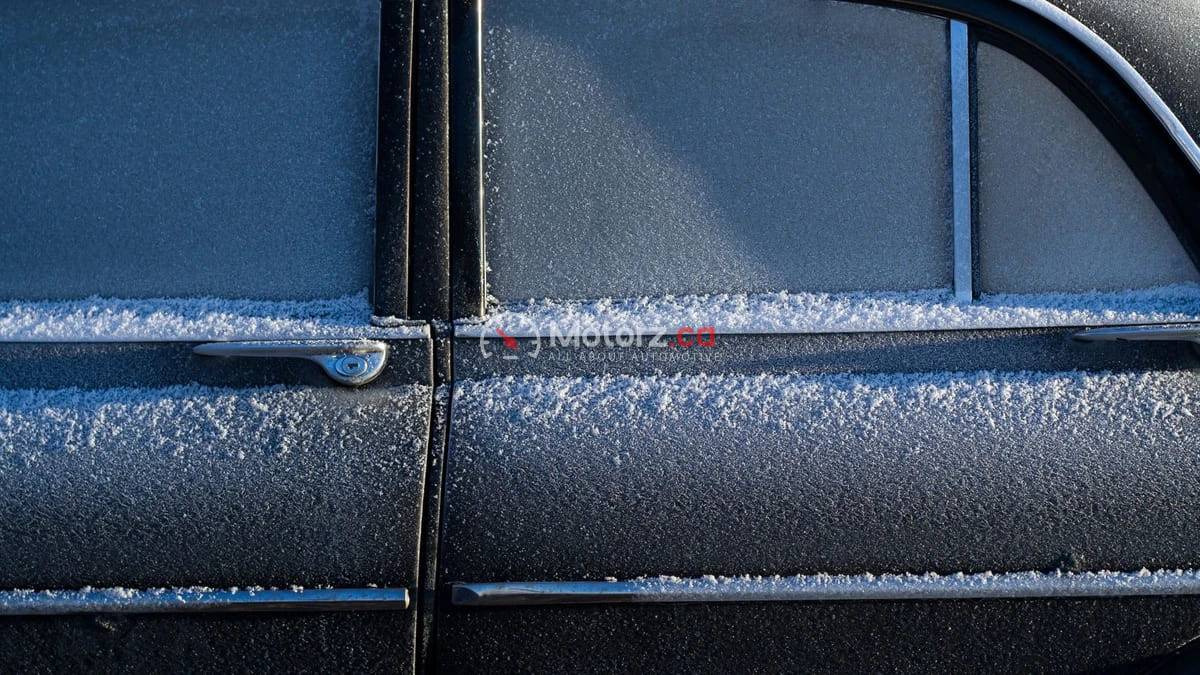

The alarm Protect Your Car, the sun isn’t even up, and you look out the window to see a shimmering, crystalline nightmare. Your car is encased in a thick layer of frost, and the windshield looks more like a sheet of plywood than a piece of glass. We call this the “winter de-icing blues”—that sinking feeling you get when you realize you have to spend twenty minutes in the freezing cold before your morning commute even begins.
In the rush to get to work or school, many drivers make critical mistakes. From using the wrong tools to following “life hacks” that actually cause permanent damage, the quest for a clear windshield can quickly turn into an expensive trip to the mechanic.
This troubleshooting guide is designed to help you navigate the frostiest mornings with ease. We will cover the safest ways to clear your car, the science behind ice formation, and the preventative measures that will save you time and frustration.
Understanding the Protect Your Car
Ice doesn’t just appear; it forms through specific Protect Your Car conditions. Understanding how it happens is the first step in beating it.
Why Does Ice Form on Your Car?
When the temperature of your car’s surface drops below the dew point, moisture from the air condenses on the glass. If the temperature is below 0 Celsius, that moisture freezes into hoarfrost. If it rains or sleets and then the temperature drops, you get “glaze ice,” which is much harder to remove because it bonds directly to the microscopic pores of the glass.
The Dangers of Improper De-Icing
Visibility Issues: Driving with “portholes” (only clearing a small circle in front of the driver) is illegal and incredibly dangerous.
Mechanical Strain: Forcing wipers or window motors that are frozen can lead to blown fuses and stripped gears.
Property Damage: Using metal tools or extreme heat can lead to glass replacement costs.
The Ultimate De-Icing Toolkit: What You Actually Need
Forget the credit cards and kitchen spatulas. If you want to beat the winter blues, you need the right equipment ready to go.
The High-Quality Ice Scraper and Brush
Look for a scraper with a brass blade or a high-strength polycarbonate edge. Brass is softer than glass but harder than ice, making it highly effective without scratching. Ensure the brush has soft bristles to avoid swirling your paint.
Commercial or DIY De-Icer Spray
Commercial sprays are excellent, but you can make a highly effective one at home.
The Recipe: Mix two parts Isopropyl (rubbing) alcohol with one part water.
Why it Works: Alcohol has a freezing point of roughly -89 Celsius. When it touches the ice, it lowers the freezing point of the ice immediately, turning it into a slush that you can simply wipe away.
A Microfiber Cloth
After the ice is gone, a film of moisture often remains. Wiping this away with a microfiber cloth prevents it from refreezing while you are driving down the road.
Step-by-Step: The Safest Way to De-Ice Your Vehicle
Follow this sequence to clear your car in half the time without risking damage.
Start the Engine and Set the Air
Start your car and turn the defroster to the “Fresh Air” setting, not “Recirculate.” Recirculating the air traps the moisture from your breath inside the cabin, which will fog up the interior of the glass as you drive. Set the temperature to its highest setting, but don’t expect instant results—the engine needs time to warm up.
Apply the De-Icer
Spray your alcohol-based solution across the top of the windshield. Let gravity do the work as the liquid streaks down the glass, melting the ice as it goes. Don’t forget the side mirrors and the rear window.
Clear the Roof First
This is the most skipped step. If you leave snow or ice on your roof, it will eventually slide down onto your windshield when you brake, or fly off and hit the car behind you. Use your brush to clear the roof before you touch the windows.
The Gentle Scrape
Once the de-icer has softened the frost, use long, steady strokes with your scraper. If you encounter a stubborn patch, don’t “stab” at it. Apply more spray and wait sixty seconds.
Free the Wipers
Gently lift your wiper blades. If they are stuck, do not pull. Use the de-icer spray on the rubber edges until they release naturally.
Common Myths That Damage Your Car
When you are in a rush, bad advice can seem tempting. Here are the “solutions” you must avoid at all costs.
The Boiling Water Myth
We have discussed this before, but it bears repeating: Never pour hot water on cold glass. The thermal shock causes the glass to expand unevenly, leading to instant cracks. Even if the glass doesn’t break today, the stress weakens it for the future.
The “Vinegar and Water” Trap
While some claim vinegar prevents frost, it is highly acidic. Over time, vinegar can eat away at the clear coat of your paint and damage the rubber seals around your windows. Stick to rubbing alcohol; it’s safer for the vehicle’s materials.
Using a Lighter to Warm Keys
If your lock is frozen, do not try to heat your key with a lighter. Modern keys have transponder chips inside them. Extreme heat can fry the electronics, leaving you with a key that turns but an engine that won’t start. Use a dedicated “lock de-icer” spray instead.
Prevention: How to Avoid the Blues Altogether
The best way to troubleshoot de-icing is to prevent the ice from forming in the first place.
The Windshield Cover
A magnetic windshield cover is the ultimate “cheat code” for winter. You simply peel it off in the morning, and the glass underneath is perfectly clear. If you don’t want to buy one, an old bedsheet or a piece of cardboard held down by the wipers can work in a pinch.
Park Strategically
If possible, park your car facing East. As the sun rises, its natural infrared radiation will begin to melt the frost on your windshield before you even step outside. This simple change can save you five to ten minutes of scraping.
Treat Your Seals
Rub a small amount of silicone lubricant or cooking oil spray on a rag and wipe down the rubber door seals. This prevents moisture from getting between the rubber and the metal frame, which is what causes doors to freeze shut.
Use “Rain-Repellent” Treatments
Products like Rain-X create a hydrophobic barrier on the glass. While designed for rain, they also make it much harder for ice to bond to the surface. Ice on a treated windshield often slides off in large chunks rather than needing to be scraped.
Troubleshooting Interior Fogging
Sometimes the “blues” aren’t on the outside, but the inside. Foggy windows are a major safety hazard.
Clean Your Windows
Dirt and oils on the inside of the glass give moisture something to cling to. A thorough cleaning with a dedicated glass cleaner will significantly reduce how much your windows fog up during the winter.
Check for Leaks
If your car is exceptionally foggy, you may have moisture trapped in the carpets. Check your floor mats. If they are soaked with melted snow, bring them inside to dry. Excess moisture in the cabin will constantly evaporate and condense on the cold glass.
The “AC” Trick
Always run your Air Conditioning with the heater. The AC compressor acts as a dehumidifier, pulling the moisture out of the air before it hits the windshield. Most modern cars do this automatically when you hit the “Defrost” button.
Summary: Your Morning Strategy
To beat the winter de-icing blues, keep your strategy simple:
Cover the glass overnight if a freeze is predicted.
Spray an alcohol solution to melt frost instantly.
Brush the roof and hood to keep the glass clear while driving.
Wait for the mechanical components to warm up before forcing them.