
Why Your Car Loses Value from Day One
You’ve just driven your Car Depreciation in Ontario off the dealership lot in Toronto, and you’re feeling on top of the world. But in that exact moment, a financial reality begins to set in: depreciation. Car depreciation is the single largest cost of vehicle ownership after financing and, unlike insurance or maintenance, it’s often a hidden expense that many people don’t fully understand until they’re ready to sell or trade in their vehicle. It’s the difference between what you paid for your car and its current market value. In Ontario’s unique market, with its harsh climate, dense traffic, and specific consumer preferences, understanding the factors that affect your car’s value is crucial.
This blog post is your comprehensive guide to understanding car depreciation in Ontario. We’ll break down the major factors that cause your car’s value to drop, provide practical tips on how to slow down that loss, and help you make a smarter decision whether you’re buying a new or used vehicle.
The First-Year Hit: The Steepest Drop
The first year of a Car Depreciation in Ontario life is a brutal one for its value. This is where the most significant depreciation occurs, a phenomenon known as the “depreciation curve.”
The Immediate Value Drop
The Reality: A new car loses a significant portion of its value the moment you drive it off the lot. On average, a new car can lose anywhere from 20% to 30% of its value in the first year alone. This is simply because it’s no longer “new”—it’s a “used” Car Depreciation in Ontario, even if it has only a few kilometres on the odometer.
The Psychology: Used car buyers are looking for a deal. They know that by buying a one-year-old vehicle, they can save thousands of dollars and still get a car that feels new, with most of the manufacturer’s warranty still intact. This demand for a lower-priced, nearly-new vehicle drives down the value of a brand-new one.
The Slowing Rate of Car Depreciation in Ontario
While the first year is the most dramatic, the Car Depreciation in Ontario of depreciation slows down over time. By the fifth year of ownership, a car may have lost up to 60% of its original value. After this point, the value tends to flatten out, as the car’s age and mileage become the dominant factors rather than the “newness” factor.
The Key Factors: What Truly Affects Your Car’s Value
While age is a major factor, it’s not the only one. Many variables, some within your control, play a significant role in how quickly your car’s value drops.
Kilometres and Wear and Tear
Kilometres are a direct indicator of a Car Depreciation in Ontario use and wear. The more kilometres on the odometer, the more likely the car is to need major maintenance or repairs, and buyers know this.
The Ontario Norm: In Canada, the average annual mileage is around 20,000 kilometres. If your car has significantly more kilometres than this average, it will likely depreciate faster. Conversely, a low-mileage car will generally hold its value better.
The “Type” of Kilometres: The kind of driving you do also matters. A Car Depreciation in Ontario with 100,000 kilometres from long, steady highway trips will likely be in better condition than a car with 100,000 kilometres from stop-and-go city driving in Toronto or Ottawa, which puts more stress on the brakes, engine, and transmission.
The Physical Condition of the Vehicle
A car’s physical condition—both inside and out—is a powerful factor in its resale value.
Interior: A clean, well-maintained interior with no stains, tears, or persistent odours (especially from smoking) will fetch a higher price. The interior is the first thing a buyer sees and touches, and a poor impression can significantly reduce the perceived value.
Exterior: Dings, dents, scratches, and rust are all value killers. In Ontario, where road salt is used heavily in the winter, rust can be a major issue. A vehicle with a clean, rust-free body will always be more valuable.
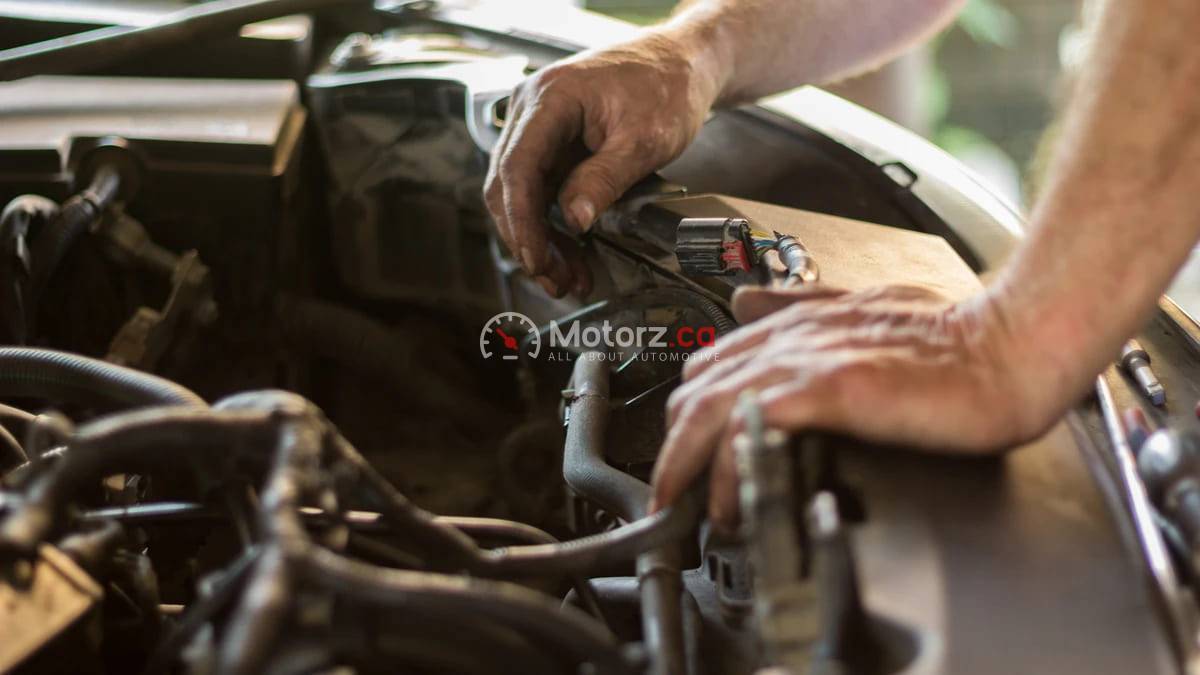
Mechanical Health: A vehicle with a complete and well-documented service history is worth more. A buyer wants to know that the car has been properly maintained with regular oil changes and scheduled tune-ups. Missing records will create suspicion and reduce your car’s value.
The Make and Model: A Tale of Reputation
Some cars simply hold their value better than others. This is a direct result of a brand’s reputation for reliability, a model’s popularity, and market demand.
The Resale Value Kings
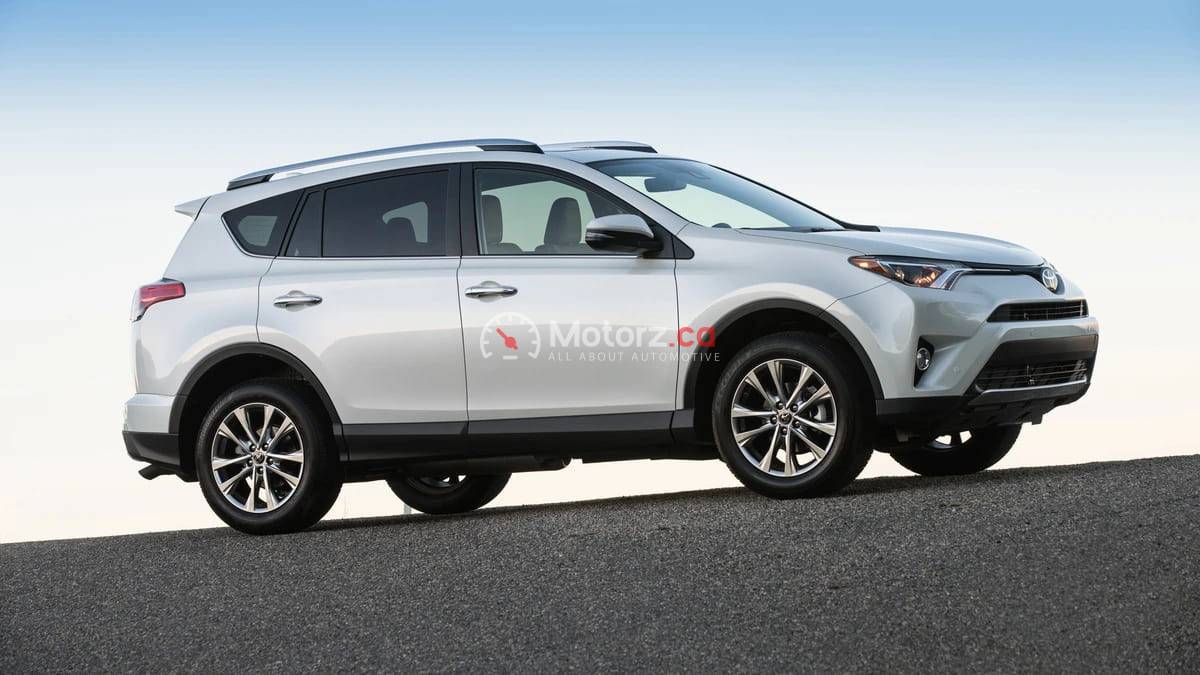
Japanese Brands: Brands like Toyota and Honda are perennial leaders in resale value. Their reputation for reliability, low maintenance costs, and fuel efficiency makes them highly sought after in the used car market. Models like the Toyota RAV4, Honda CR-V, and Honda Civic are known for holding their value exceptionally well.
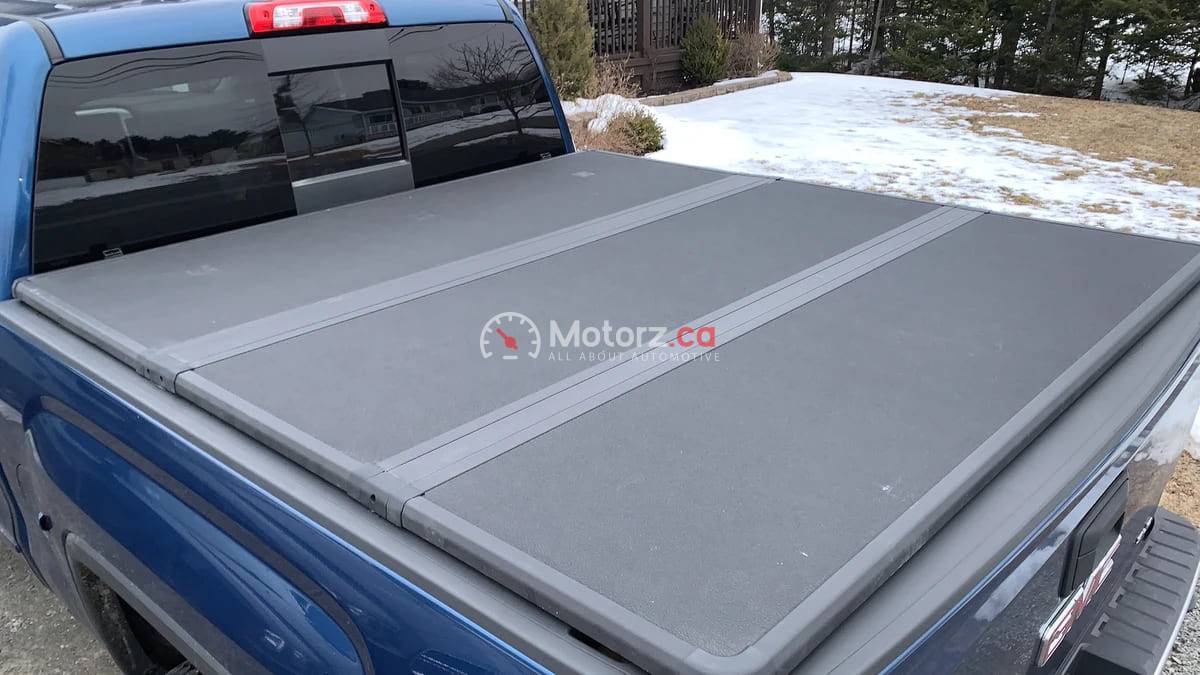
Trucks and SUVs: The market demand for SUVs and pickup trucks in Car Depreciation in Ontario is incredibly high. Models like the Toyota Tacoma, Ford F-150, and Jeep Wrangler consistently have high resale values due to their utility and popularity.
The Fastest Depreciating Vehicles
Luxury Brands: Luxury cars from brands like BMW, Mercedes-Benz, and Audi tend to depreciate at a faster rate. While they are a joy to own, their high initial price, combined with higher maintenance costs and a smaller pool of buyers in the used market, means they lose a significant amount of value in their first few years.
Electric Vehicles: While the technology is advancing rapidly, many early-model electric vehicles (EVs) have depreciated faster than their gasoline-powered counterparts. This is due to a combination of factors, including rapid technological advancements in battery life and range, and a limited charging infrastructure in some areas.
H2. 4. How to Fight Back: Minimizing Depreciation
Depreciation is inevitable, but there are Car Depreciation in Ontario things you can do to slow it down and protect your vehicle’s value.
H3. Be a Diligent Owner
Regular Maintenance: Follow your car’s recommended maintenance schedule to the letter. Keep a meticulous record of all service, including receipts. This will give a future buyer confidence in your vehicle’s health.
Keep it Clean: Wash and wax your Car Depreciation in Ontario regularly to protect the paint, especially from Ontario’s road salt. Vacuum the interior, and deal with any spills or stains immediately. A clean car suggests a well-cared-for car.
Rust Protection: Consider getting your car rustproofed annually, especially if you drive a lot in the winter. This is a small investment that can save you from a major value killer.
Drive with Care: Avoid harsh braking and rapid acceleration. Smooth driving is not only better for fuel economy but also reduces wear and tear on your car’s components.
H3. Choose Wisely at the Dealership
Consider Used: Buying a slightly used Car Depreciation in Ontario (2-3 years old) is a smart way to let the first owner take the biggest depreciation hit.
Pick a Popular Model: A car with a strong reputation for reliability and high market demand will hold its value better.
Avoid Excessive Modifications: While you might love that custom paint job or engine mod, most buyers prefer a stock vehicle. Many modifications can actually reduce your car’s resale value.