
The sky turns an ominous shade of Vehicle Can Save You During a Blackout, the wind howls, and suddenly—silence. The hum of the refrigerator dies, the Wi-Fi router blinks out, and your home is plunged into darkness. In a major power outage, your first instinct might be to reach for a flashlight or light a candle. But for many, the most powerful tool for survival is already sitting in the driveway.
Modern vehicles are no longer just for transportation; they are sophisticated power plants. Whether you own a cutting-edge Electric Vehicle (EV) or a traditional Internal Combustion Engine (ICE) car, your vehicle can be a lifeline during a blackout. From charging your essential devices to keeping your food from spoiling, your car can provide the energy needed to weather the storm in comfort and safety.
In this Troubleshooter guide, we will explore the best ways to turn your vehicle into an emergency power hub, the critical safety rules you must follow, and how to prepare your car before the grid goes down.
Using an Vehicle Can Save You During a Blackout Battery
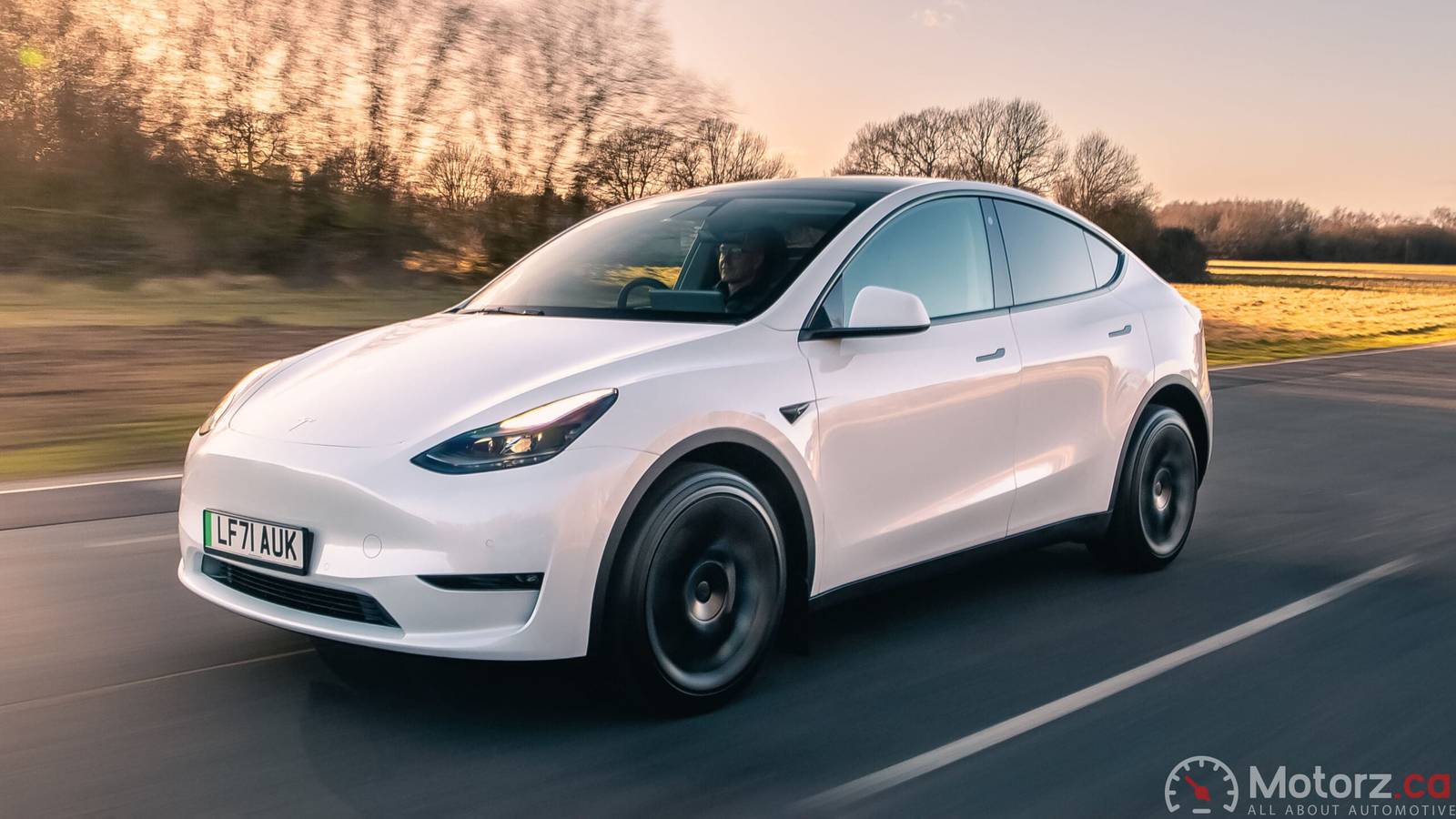
If you drive an electric vehicle, you are literally sitting on a massive battery bank. A typical EV battery holds between 40 and 100 kilowatt-hours (kWh) of energy. Considering the average American home uses about 30 kWh per day, a fully charged EV could theoretically power your essentials for several days.
Vehicle-to-Load (V2L)
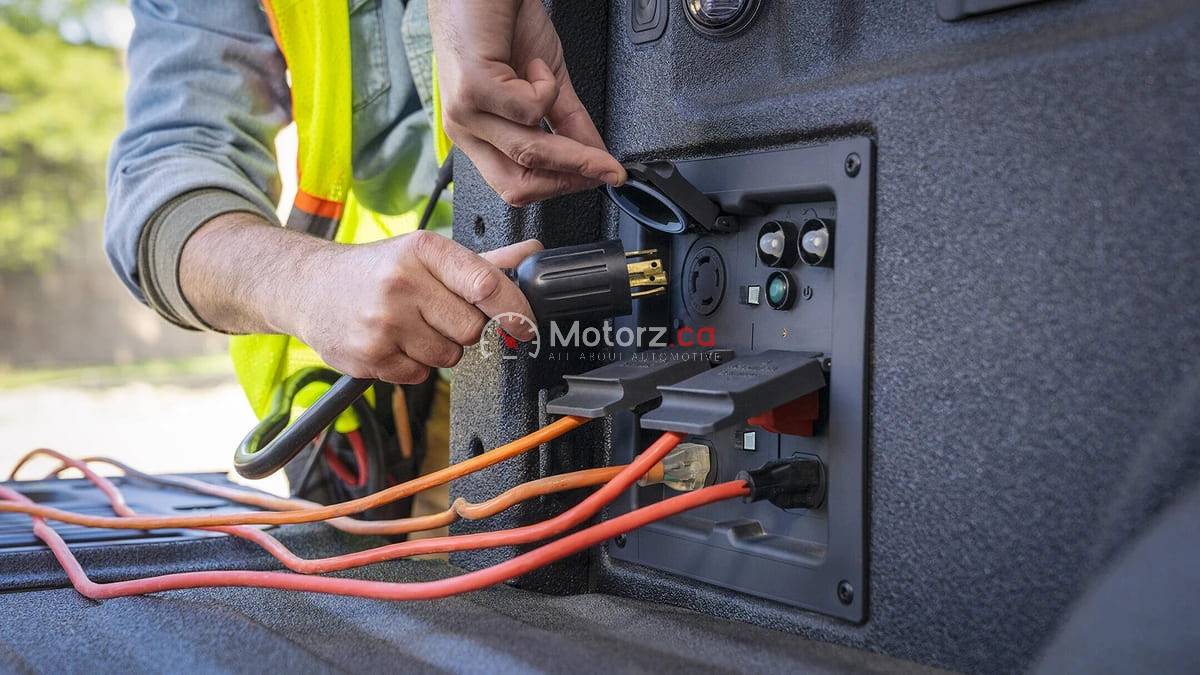
Many newer EVs, such as the Hyundai Ioniq 5, Kia EV6, and Ford F-150 Lightning, come equipped with V2L technology. These cars have built-in AC outlets (120V or 240V) that allow you to plug in appliances directly.
How to use it: Simply plug a heavy-duty extension cord into the car’s outlet and run it to your refrigerator, coffee maker, or space heater.
Capability: Most V2L systems can provide 1.9 to 3.6 kilowatts (kW) of power—plenty for a large fridge and several lamps.
Vehicle-to-Home (V2H) and Bi-directional Charging
For whole-house backup, V2H is the gold standard. This allows your car to send power back through your home’s electrical panel.
Requirements: You need a compatible EV and a professionally installed bi-directional charger with a transfer switch.
The Benefit: When the power fails, the car automatically detects the outage and begins powering your home’s lights, HVAC, and outlets just like a Tesla Powerwall or a standby generator.
Using a Gas-Powered Car as a Mobile Generator
You don’t need an EV to get power during a blackout. Your gas-powered car has an alternator—a device that generates electricity while the engine is running. While not as efficient as a dedicated home generator, it is a reliable “backup to the backup.”
The Inverter Method
To use your gas car for power, you will need a Power Inverter. This device converts the 12V DC power from your car into the 120V AC power used by your home appliances.
Small Inverters (Under 150W): These plug into your “cigarette lighter” or 12V accessory port. They are perfect for charging phones, tablets, and laptops.
Large Inverters (1,000W to 2,000W): These must be connected directly to your car’s battery terminals using heavy-duty cables (similar to jumper cables). A 1,000W inverter is usually enough to run a full-sized refrigerator or a small microwave.
Essential Rules for Gas Car Backup
Never Run the Engine in a Garage: This is the most important safety rule. Carbon monoxide is odorless and deadly. Always move the car to an open driveway, away from windows and doors.
Keep the Engine Running: If you use a high-wattage inverter, your battery will drain in minutes if the engine isn’t running. Let the engine idle to allow the alternator to keep the battery charged.
Watch the Fuel Gauge: Idling for long periods consumes gas. A typical car might use about half a gallon to a gallon of gas per hour under load.
Power Management: What Can You Actually Run?
When you are relying on your car, you have to be strategic. You cannot run your central air conditioning, electric oven, and clothes dryer at the same time. Focus on the “Life-Support” essentials.
Priority 1: Food Preservation
A refrigerator is a high-priority item but doesn’t need to run 24/7. Most refrigerators only need to run for 30 to 60 minutes every few hours to stay cold. By cycling the power, you can significantly extend your car’s fuel or battery life.
Priority 2: Communication and Light
Modern LED light bulbs use very little power (usually 8 to 12 watts). You can power an entire room’s worth of lamps for less energy than it takes to charge a single laptop. Keep your phones charged to stay informed about weather updates and emergency alerts.
Priority 3: Climate Control (The “Car Retreat” Method)
If it is dangerously cold or hot outside, the car itself is your best shelter. Instead of trying to heat or cool your entire house with an inverter, simply sit in the car. The vehicle’s built-in HVAC system is incredibly efficient at maintaining a comfortable temperature in a small space.
Safety and Maintenance Precautions
Using your car as a power source involves high voltages and flammable fuels. Follow these precautions to avoid a disaster:
Use Outdoor-Rated Cords: When running extension cords from your driveway into your house, ensure they are rated for outdoor use and can handle the “amperage” (thickness) required for your appliances.
Avoid “Backfeeding”: Never try to power your house by plugging your car into a wall outlet. This can kill utility workers on the lines. Only use extension cords or a professionally installed transfer switch.
Surge Protection: If you are charging sensitive electronics like a MacBook or a high-end TV, use a Pure Sine Wave Inverter. Cheaper “Modified Sine Wave” inverters can damage the delicate power supplies of modern electronics.
Preparing Your Vehicle Before the Blackout
Preparation is the difference between a minor inconvenience and a crisis. Add these steps to your emergency plan:
The Half-Tank Rule: Never let your gas tank or EV battery drop below 50 percent during storm season. If the grid goes down, gas pumps and charging stations may not work.
Buy Your Inverter Now: Don’t wait for the blackout to buy an inverter; stores will be sold out. Keep a 1,000W pure sine wave inverter in your trunk or garage.
Test Your Setup: On a clear day, practice connecting your inverter or activating your EV’s V2L mode. Ensure your extension cords reach the refrigerator from the driveway.
Your Mobile Life-Raft
A blackout can be a stressful and dangerous time, but your vehicle is a powerful asset that can keep your family safe and connected. Whether you are using a high-tech EV to run your whole home or a reliable gas car to keep your phone charged and your food cold, your vehicle provides a level of resilience that few other tools can offer.
By understanding the limits of your car’s electrical system and following strict safety protocols, you can transform your everyday commuter into an essential piece of emergency equipment.