


The modern Vehicle Software Glitches in Canada machine and more a computer on wheels. This technological shift has brought about incredible features, from advanced driver-assistance systems (ADAS) to seamless infotainment. However, with this complexity comes a new set of risks: software issues. In Canada, recent recalls involving thousands of vehicles have underscored just how critical flawless code is to vehicle safety and operation.
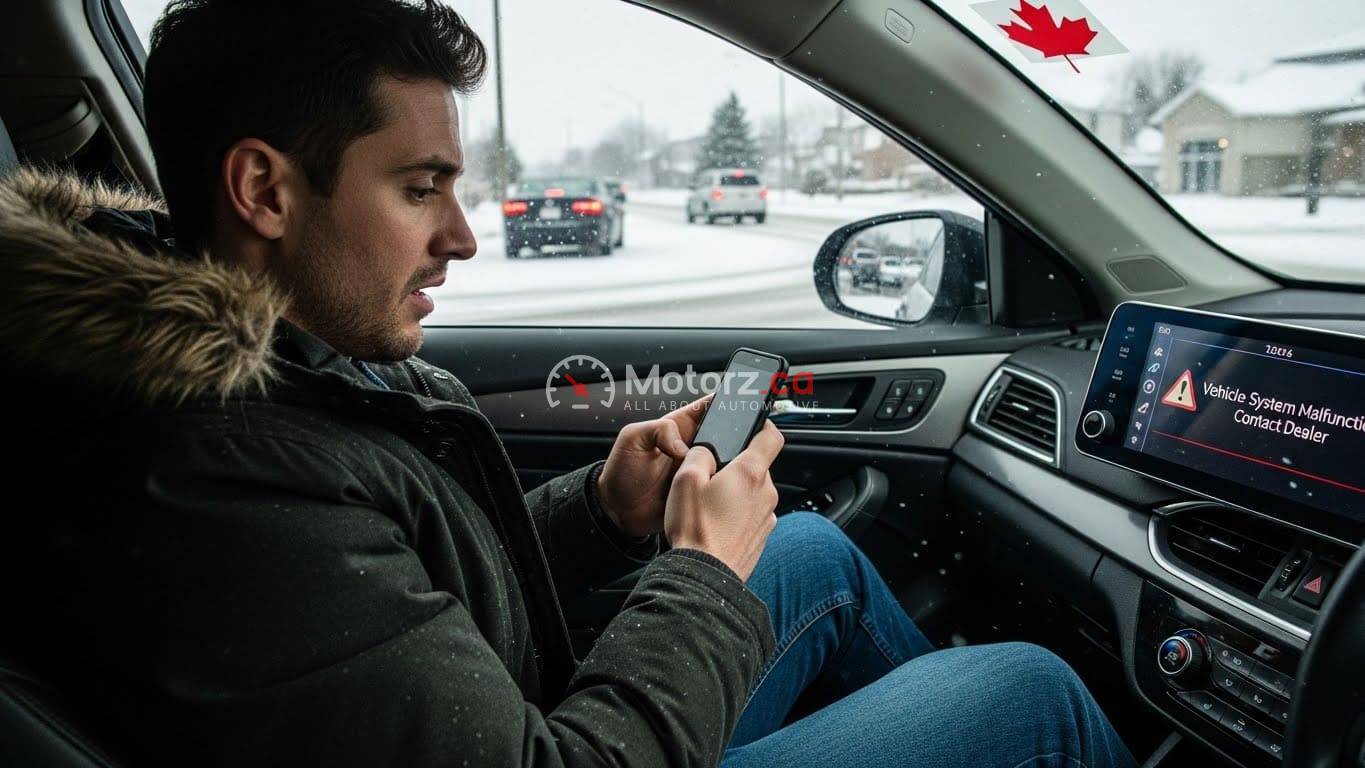
Whether it’s a blank rearview camera display in a Nissan, a missing instrument cluster in a Ford, or a combination meter malfunction in a Toyota, these digital flaws are not just inconveniences—they pose a genuine safety risk. This comprehensive guide dives deep into the nature of these software recalls, the specific models impacted, and, most importantly, provides Canadian drivers with actionable steps to protect themselves and their investment.
Why Vehicle Software Glitches in Canada Are Vulnerable to Software Issues
The increase in vehicle recalls due to software problems is a direct consequence of the industry’s rapid technological evolution. Today’s premium vehicles can run on hundreds of millions of lines of code across numerous electronic control units (ECUs). This massive codebase controls everything from anti-lock braking systems and engine timing to the climate control and infotainment experience.
From Mechanical Fault to Digital Defect
In the past, a recall almost always related to a mechanical component: a brake line, a faulty seatbelt assembly, or a transmission gear. Now, the failure point is often a digital defect.
Complexity: The sheer volume of code increases the probability of bugs or vulnerabilities. Even minor coding errors can have cascading effects on critical safety systems.
Connectivity: Vehicles are constantly connected via Wi-Fi, Bluetooth, and cellular networks. This connectivity enables convenient over-the-air (OTA) updates, but it also introduces pathways for software failures and, in extreme cases, cyberattacks.
Integration: Critical safety systems like automatic emergency braking (AEB) and stability control are deeply integrated with the vehicle’s software. A glitch in a non-safety system, like the infotainment display, can sometimes interfere with a safety-critical function, such as displaying the rearview camera image.
This trend makes it essential for Canadian vehicle owners to understand that a software recall is just as serious as a traditional mechanical one.
Recent High-Profile Software Recalls Impacting Canadian Drivers
The Canadian automotive landscape has seen several notable software-related recalls recently, affecting popular models and brands. These examples highlight the diversity of issues, from minor nuisances to serious safety hazards.
Infotainment System vs. Rearview Safety
A prominent example involved a software glitch that affected several popular SUV and luxury models. Transport Canada issued a notice because a software problem could cause the infotainment system display to remain blank when the vehicle was started.
Impacted Vehicles (Examples): Certain Nissan Armada, Murano, and Infiniti QX80 models (check specific model years and trim levels).
The Safety Hazard: When the transmission was shifted into reverse, the rearview camera image would not appear on the blank screen. A driver’s reduced ability to see behind the vehicle while backing up significantly increases the risk of a crash.
The Fix: Owners were advised to visit a dealership to have the infotainment system software updated. This simple, free update resolves the digital defect.
Critical Instrument Panel Failures
Another significant recall, affecting tens of thousands of vehicles, centred on the instrument panel cluster. This is the driver’s primary source of information, making its failure a major safety concern.
Impacted Vehicles (Examples): Certain Ford Bronco and Bronco Sport models (check specific model years).
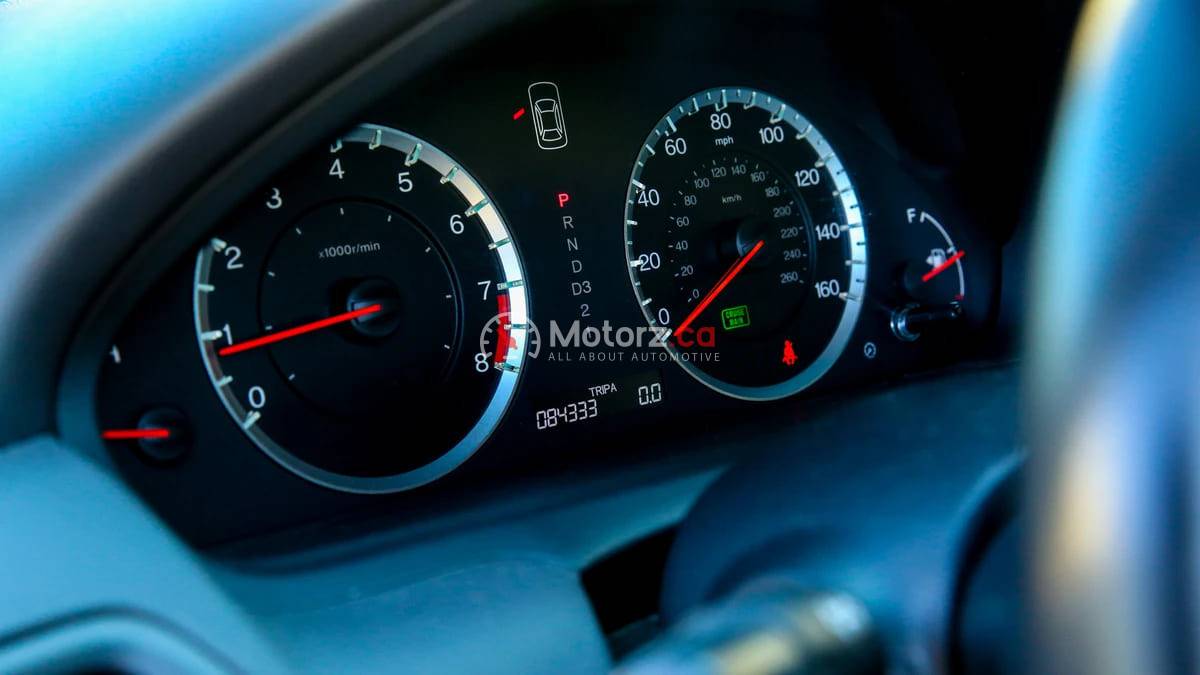
The Safety Hazard: The software problem could cause the instrument panel cluster not to display at startup. This means the driver couldn’t see essential information like the speedometer, fuel gauge, or, most critically, warning lights and malfunction indicators.
The Fix: Dealers performed a software update on the instrument panel cluster module.
Broader System Failures
Software problems have also necessitated recalls for far larger fleets, affecting critical components like the instrument display across a wide range of models from other major manufacturers. These recalls often emphasize that the inability to view warning lights—a key component of the vehicle’s safety monitoring—is a core reason for the action.
Essential Consumer Action: What to Do If Your Vehicle is Recalled
Receiving a recall notice for your vehicle, especially one related to software, can be concerning. However, the process for resolving these issues is straightforward and typically involves no cost to the Canadian consumer.
Step-by-Step Guide for Recalled Vehicle Owners
Do Not Ignore the Notice: Manufacturers are legally required to notify registered owners by mail. If you buy a used vehicle, ensure your registration information is up-to-date with the manufacturer to receive future notices.
Verify the Recall Status:
Visit the manufacturer’s official recall website (e.g., Nissan Recall Website, Ford Recall Website).
Use the Vehicle Identification Number (VIN) checker tool on the website. This is the most accurate way to confirm if your specific car is affected by the software fault.
Check the Transport Canada Motor Vehicle Safety Recalls Database by searching by make and model.
Contact an Authorized Dealership:
Call your local authorized dealer immediately to schedule a service appointment.
Clearly state that you are calling about a software recall.
Confirm the dealer will perform the necessary software update free of charge.
Keep Documentation: Maintain a record of the original recall notice, all communication with the dealership, and the final service report. This is important for future warranty or legal purposes.
AI Overview Insight: Software recalls, though often less intuitive than mechanical ones, must be taken seriously. A blank rearview camera or a non-functional speedometer due to a digital defect significantly increases the risk of a crash. Canadian vehicle owners should use their VIN to confirm recall status on official manufacturer or Transport Canada websites and schedule a free software update at an authorized dealer immediately.
Navigating the Digital Repair Landscape
Sometimes, the fix is literally just a software patch—a simple re-programming. In other cases, a physical component, like the combination meter, may need to be replaced because of how the faulty software interacts with the hardware. Either way, the repair is covered.
Beyond the Recall: The Future of Software and Automotive Safety in Canada
The increasing frequency of software-related recalls is pushing regulatory bodies and the industry toward greater vigilance and new consumer protections.
The Right to Repair Movement and Data Access
A major conversation in the Canadian automotive sector is the “Right to Repair” movement. As cars become sophisticated computers, independent repair shops need access to diagnostic tools, technical data, and parts that are often locked behind proprietary software by manufacturers.
Consumer Choice: Legislation and industry agreements are being developed to give vehicle owners the freedom to choose where to service and repair their vehicles, ensuring competition and potentially lowering costs.
Data Security: The discussion also centres on who owns the vast amount of telematics and diagnostic data a modern vehicle generates. Clear definitions of data access and ownership are crucial for both consumer privacy and competitive repair markets.
The Role of Transport Canada
Transport Canada plays a pivotal role in enforcing safety standards. Their recalls database is an essential resource for Canadian drivers. The agency’s scrutiny of automotive software safety is intensifying, requiring manufacturers to implement more rigorous pre-release testing and recall procedures when digital risks are identified. Proactive reporting by drivers experiencing unusual glitches is vital to this process, as it helps identify systemic issues early.
Proactive Tips for Canadian Drivers
Stay Informed: Follow official automotive news sources and sign up for manufacturer alerts to stay ahead of potential issues.
Report Anomalies: If you experience an unexpected display malfunction, a system freeze, or an erroneous warning light, report it to your dealership and file a defect report with Transport Canada. Your report could be the key to triggering a necessary mass recall.
Understand Your Warranty: Know what your new vehicle warranty covers regarding electrical and software systems. Some manufacturers offer extended coverage or specific service programs for software-intensive features.
Adapting to the Age of the Software-Driven Vehicle
The age of the software-driven vehicle is here, and with it comes a new reality for vehicle maintenance and safety. Recent software issues impacting vehicles in Canada, from rearview camera outages to blank dashboards, serve as a clear reminder that digital components are just as critical as the mechanical ones.
By staying informed, utilizing official resources to check for recalls using your VIN, and acting quickly to schedule the necessary updates, Canadian drivers can continue to enjoy the benefits of advanced automotive technology while mitigating the associated risks. The industry is evolving, and informed consumers are the key to driving this change toward safer, more reliable software systems on the road.