
Imagine pulling your Trials AI Technology into a dealership service bay or a rental return lot, and before you even open the door, a full diagnostic report of your vehicle’s exterior and underbody is already waiting on a technician’s tablet. No more squinting at scratches, no more crawling under the chassis with a flashlight, and no more “he-said, she-said” arguments about when a dent occurred.
This isn’t science fiction; it is the new reality being pioneered by Volvo. The Swedish automaker is currently trialing advanced AI-powered vehicle inspection systems that can scan a car’s condition in a matter of seconds. By leveraging high-speed cameras and machine learning, Volvo aims to revolutionize how we buy, sell, and maintain our vehicles.
In this Troubleshooter deep dive, we explore the technology behind Volvo’s AI scanners, how it will change the service experience for drivers, and what this means for the future of automotive transparency.
How It Works: The Trials AI Technology (AVI) System
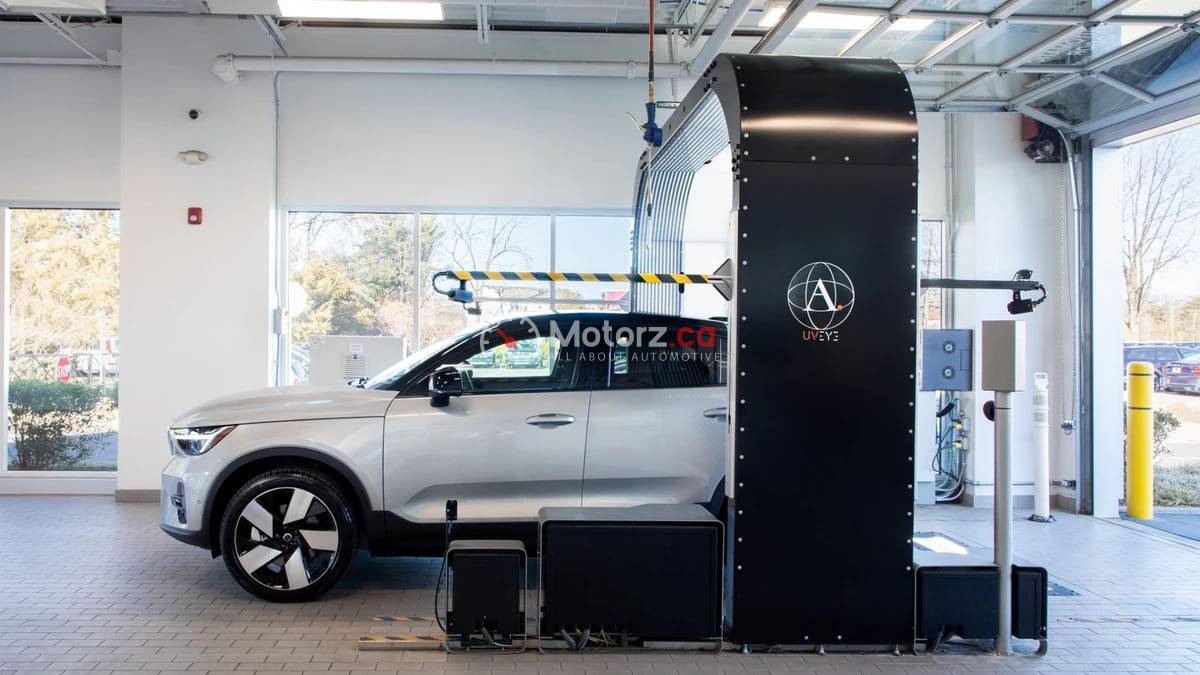
The technology at the heart of this Trials AI Technology is developed in partnership with companies like UVeye. These systems consist of a drive-through archway equipped with dozens of high-resolution cameras and sophisticated sensors.
High-Speed Computer Vision
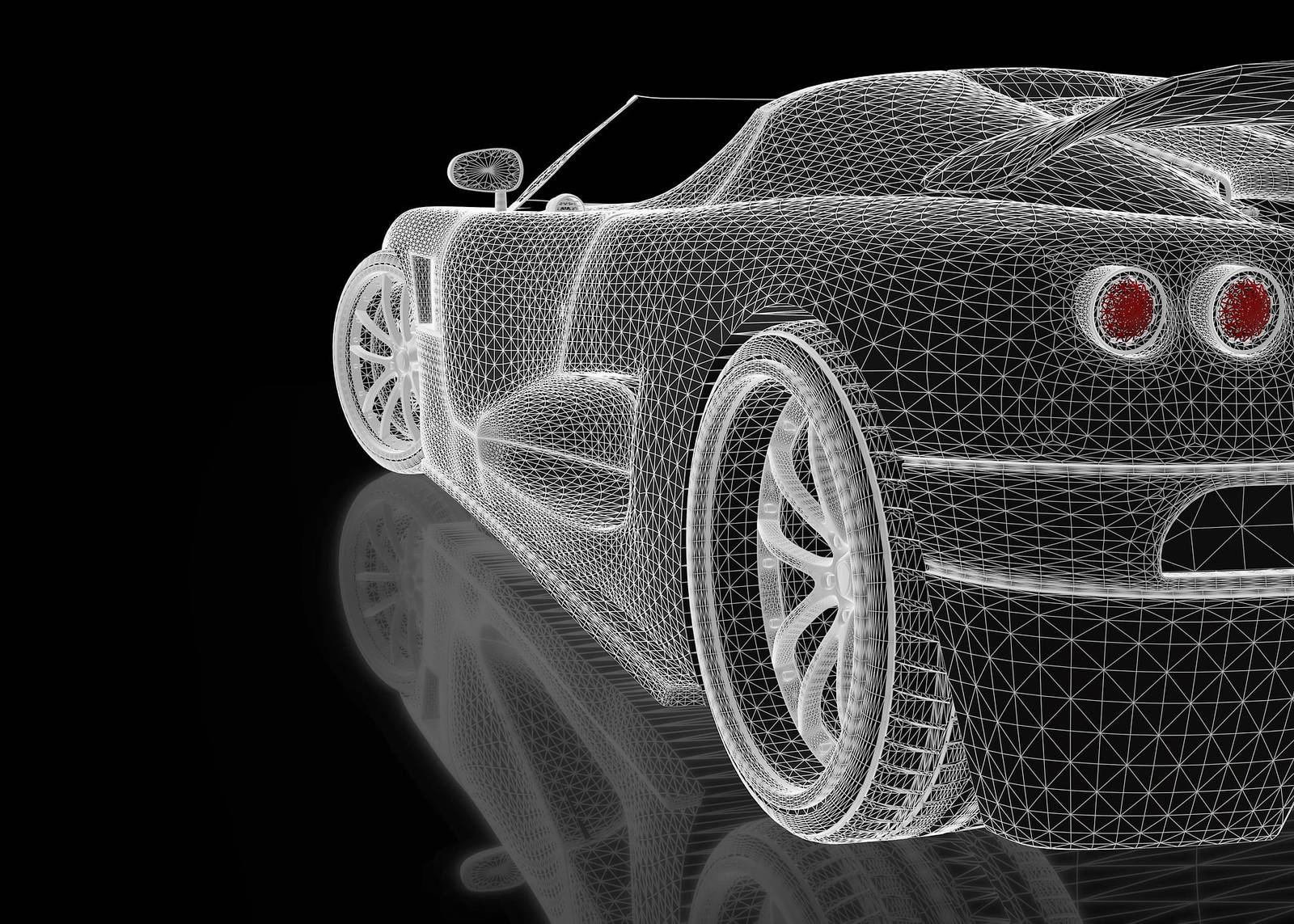
As a vehicle drives through the scanner at low speed, the system captures thousands of images from every conceivable angle—including the roof and the undercarriage. The AI algorithms then compare these images against a “perfect” digital blueprint of that specific Volvo model.
Detection: The AI can spot anomalies as small as a hairline crack in a tire sidewall or a loose bolt on a skid plate.
Analysis: Unlike a human inspector who might be tired or distracted, the AI never misses a detail. It can identify rust, oil leaks, brake wear, and body damage simultaneously.
Underbody Imaging
One of the most impressive feats of this AI trial is the underbody scan. Traditionally, inspecting the bottom of a car requires a hydraulic lift. Volvo’s AI system uses specialized cameras to create a high-definition 3D map of the undercarriage in seconds, identifying exhaust leaks or frame damage that would otherwise go unnoticed for months.
Why Volvo is Betting on AI Inspections
Volvo has built its brand on a foundation of safety and quality. The implementation of AI scanning is a natural extension of that philosophy, offering several key benefits to both the manufacturer and the consumer.
Eliminating Human Error and Bias
Even the best mechanic can have an “off” day. Manual inspections are subjective; one inspector might call a mark a “scuff,” while another calls it “damage.” AI provides a standardized, objective baseline. This builds immense trust between the dealership and the customer, as the data is backed by visual evidence that is difficult to dispute.
Speed and Efficiency
A traditional multi-point inspection can take anywhere from 20 to 45 minutes. Volvo’s AI scanner completes the exterior and underbody portion of that check in less than 10 seconds. This efficiency allows service departments to process more vehicles and gives drivers their time back—a luxury that is increasingly valuable in the modern world.
What This Means for the Used Car Market
One of the biggest pain points in the automotive industry is the uncertainty of buying a used vehicle. Volvo’s AI trial has massive implications for the Certified Pre-Owned (CPO) market.
Total Transparency
When a car is traded in, the AI scanner can generate a comprehensive “health report” that can be shared directly with potential buyers. This report serves as a digital certificate of authenticity. Knowing that a car has been scanned by a system capable of detecting microscopic frame misalignments or hidden leaks provides a level of peace of mind that a simple CARFAX report cannot match.
Fairer Trade-In Values
For sellers, the AI scanner ensures they get a fair price based on the actual condition of the vehicle. If the car is pristine, the scan proves it. If there is damage, the owner is shown exactly what it is and why it affects the value, removing the “guessing game” from the negotiation process.
The Impact on Rental and Fleet Management
The rental car industry is notorious for disputes over small dents and scratches. Volvo’s AI technology could potentially end these conflicts forever.
Automated Check-In and Check-Out
By placing these scanners at the entrance and exit of rental lots, companies can create a perfect “before and after” snapshot of every vehicle.
Example: If a renter returns a car with a scraped bumper, the system flags it instantly, timestamping the damage and comparing it to the scan taken at the start of the rental.
Proactive Maintenance: For large fleets, these scans can identify tires that are wearing unevenly or minor leaks before they lead to a breakdown on the highway, saving companies thousands in emergency repair costs.
Potential Challenges and the Road Ahead
While the technology is promising, Volvo’s trial is still in the refinement stage. There are several hurdles to clear before these scanners become as common as car washes.
Data Privacy and Security
As vehicles become more connected, the question of who “owns” the data from an AI scan becomes vital. Volvo must ensure that the high-definition images and diagnostic data are stored securely and used only for the benefit of the vehicle owner.
System Costs
Installing a full AI scanning archway is a significant investment for a dealership. For the technology to truly go mainstream, the cost of the hardware must decrease, or the efficiency gains must be high enough to justify the initial price tag.
A New Standard for Automotive Care
Volvo’s trial of AI vehicle scanning is more than just a cool gadget for dealerships; it is a fundamental shift in the relationship between drivers and their cars. By removing the mystery from vehicle inspections, Volvo is fostering a future where maintenance is proactive rather than reactive, and where transparency is the default setting.
As this technology matures, we can expect the “mystery” of the mechanic’s shop to fade away, replaced by high-definition 3D models and instant diagnostic reports. For the driver, this means safer cars, faster service, and a much higher level of confidence in the machine sitting in the driveway.